
Cottage Garden Flower Seeds

Sort by:
260 products
260 products
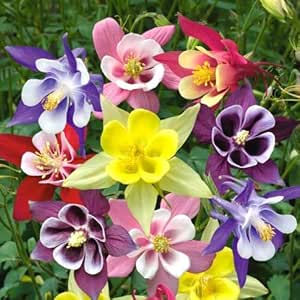
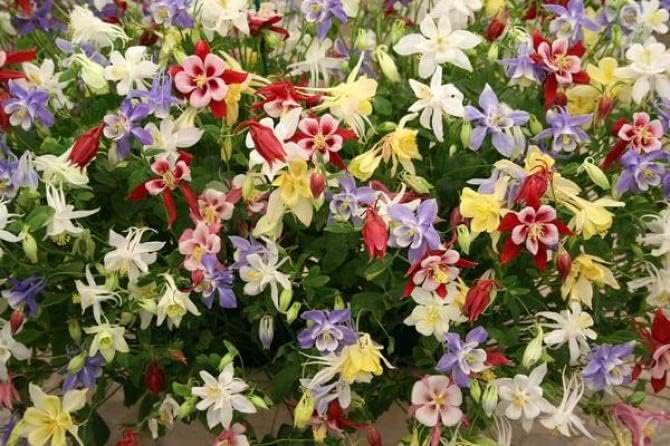
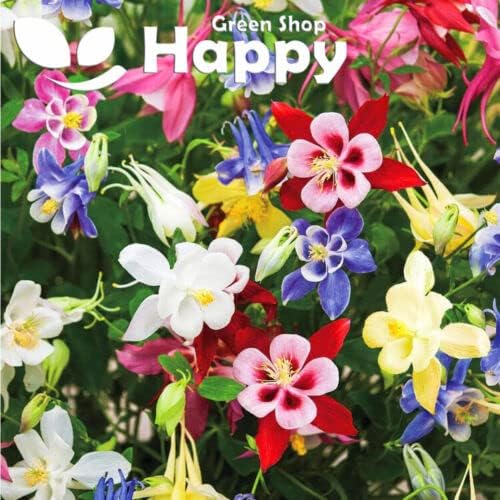
Columbine 'Mrs. Scott Elliott' Mix Seeds (Aquilegia caerulea)
Graceful and colorful, Columbine 'Mrs. Scott Elliott' Mix produces elegant nodding flowers in a wide range of shades including blue, pink, yellow, red, and white. Each bloom has long spurs, giving them a delicate, airy charm. A hardy perennial, Columbine thrives in borders, cottage gardens, and naturalized plantings while attracting bees and butterflies.
What Makes It Special
-
Wide mix of elegant, spurred flowers
-
Hardy, easy to grow, and long-lasting
-
Attracts bees, butterflies, and pollinators
Key Features
-
Botanical name: Aquilegia caerulea
-
Hardy perennial
-
Height: 60–80 cm (24–32 in)
-
Bloom time: Late spring to early summer
Ideal For
-
Cottage gardens and mixed borders
-
Wildlife and pollinator-friendly gardens
-
Naturalized or woodland plantings
Sowing
-
Sow indoors Feb–Apr or outdoors Apr–Jun
-
Cover lightly with soil; requires light for germination
-
Germination: 21–35 days at 15–20°C
-
Thin seedlings 30 cm apart
-
Flowers the second year after sowing

Sweet William ‘Pinocchio’ Mix – Seeds
(Dianthus barbatus) – Biennial/Short-lived Perennial
The Sweet William ‘Pinocchio’ Mix is a compact variety that produces charming clusters of vividly colored flowers in shades of red, pink, white, and bicolor. Its fragrant, long-lasting blooms make it a favorite for borders, rock gardens, and cut flowers. Compact in habit, it’s perfect for smaller spaces and containers while still bringing cottage-garden charm.
Key Features
-
Type: Biennial / short-lived perennial
-
Height: 25–30 cm
-
Blooming period: May–July (from second year)
-
Position: Full sun to partial shade
-
Soil: Well-drained, fertile soil
Ideal For
-
Borders and edging
-
Rock and cottage gardens
-
Containers and small gardens
-
Long-lasting cut flowers
Sowing & Growing
-
Sow indoors: February–April at 18–20°C
-
Sow outdoors: May–June for flowering the following year
-
Sowing depth: Surface sow, lightly cover with fine soil
-
Spacing: 15–20 cm apart
-
Care: Deadhead regularly; mulch in winter for protection
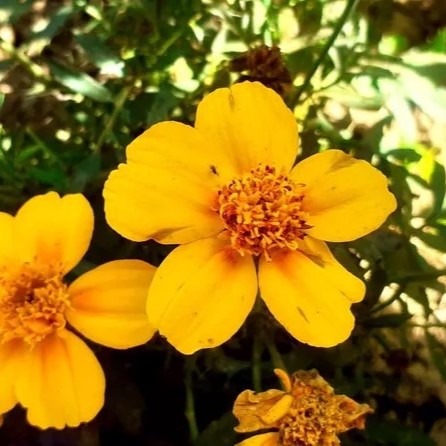
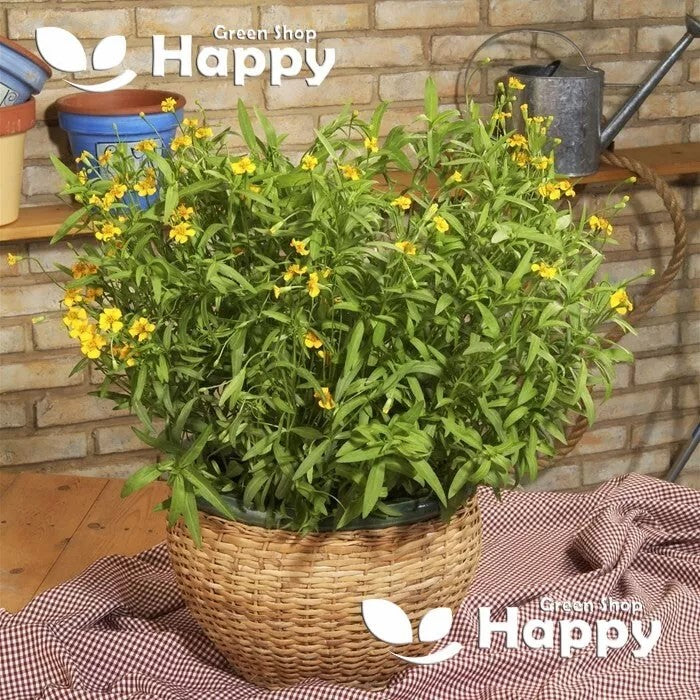

Mexican Tarragon – Seeds
(Tagetes lucida) – Perennial Herb / Ornamental
Mexican Tarragon, also known as Sweet Mace or Spanish Tarragon, is a versatile plant prized both as a culinary herb and a decorative flower. It produces bright golden-yellow blossoms and aromatic leaves with a distinctive anise-like flavor, often used as a substitute for French tarragon in cooking. Highly valued in traditional medicine and rituals, it is also a magnet for pollinators like bees and butterflies.
Key Features
-
Type: Tender perennial (often grown as annual in cooler climates)
-
Height: 45–75 cm
-
Spread: 30–40 cm
-
Flowers: Clusters of golden-yellow blooms
-
Blooming period: Summer to autumn
-
Position: Full sun
-
Soil: Well-drained, moderately fertile soil
-
Other: Aromatic foliage; edible herb
Ideal For
-
Herb and kitchen gardens
-
Summer borders and cottage gardens
-
Pollinator-friendly gardens
-
Containers and pots
-
Edible landscaping
Culinary & Herbal Uses
-
Leaves used fresh or dried in soups, sauces, chicken, and fish dishes
-
Herbal teas with calming properties
-
Traditional medicinal and ceremonial uses
Sowing & Growing
-
Sow indoors: February–April in seed trays with light soil.
-
Germination: 7–14 days at 18–22°C.
-
Transplant: Harden off and plant outdoors after the last frost.
-
Care: Prefers sunny, warm positions. Pinch young shoots to encourage bushiness. Harvest leaves before flowering for best flavor.

Meadow Sage – Seeds (Salvia pratensis)
Meadow Sage (Salvia pratensis) is a hardy perennial wildflower with elegant spikes of deep violet-blue blooms. Highly attractive to bees, butterflies, and other beneficial insects, it adds natural beauty and biodiversity to any garden. Long-flowering and low-maintenance, this sage is ideal for wild meadows, borders, and pollinator-friendly plantings.
Why Grow Meadow Sage?
-
Striking violet-blue flower spikes
-
Attracts bees, butterflies, and pollinators
-
Hardy, drought-tolerant perennial
-
Low-maintenance and long-lasting
Key Features
-
Type: Perennial
-
Height: 40–70 cm
-
Spread: 30–40 cm
-
Flowering: June–August
-
Position: Full sun
-
Soil: Well-drained, moderately fertile
Ideal For
-
Wildflower meadows
-
Pollinator-friendly gardens
-
Naturalized plantings
-
Sunny borders and cottage gardens
Sowing & Growing
-
Sow indoors: February–April in trays/pots
-
Germination: 14–21 days at 18–20°C
-
Transplant outdoors: After last frost
-
Direct sow outdoors: April–June or September
-
Spacing: 30–40 cm apart
Tip: Cutting back after flowering encourages a second flush of blooms.

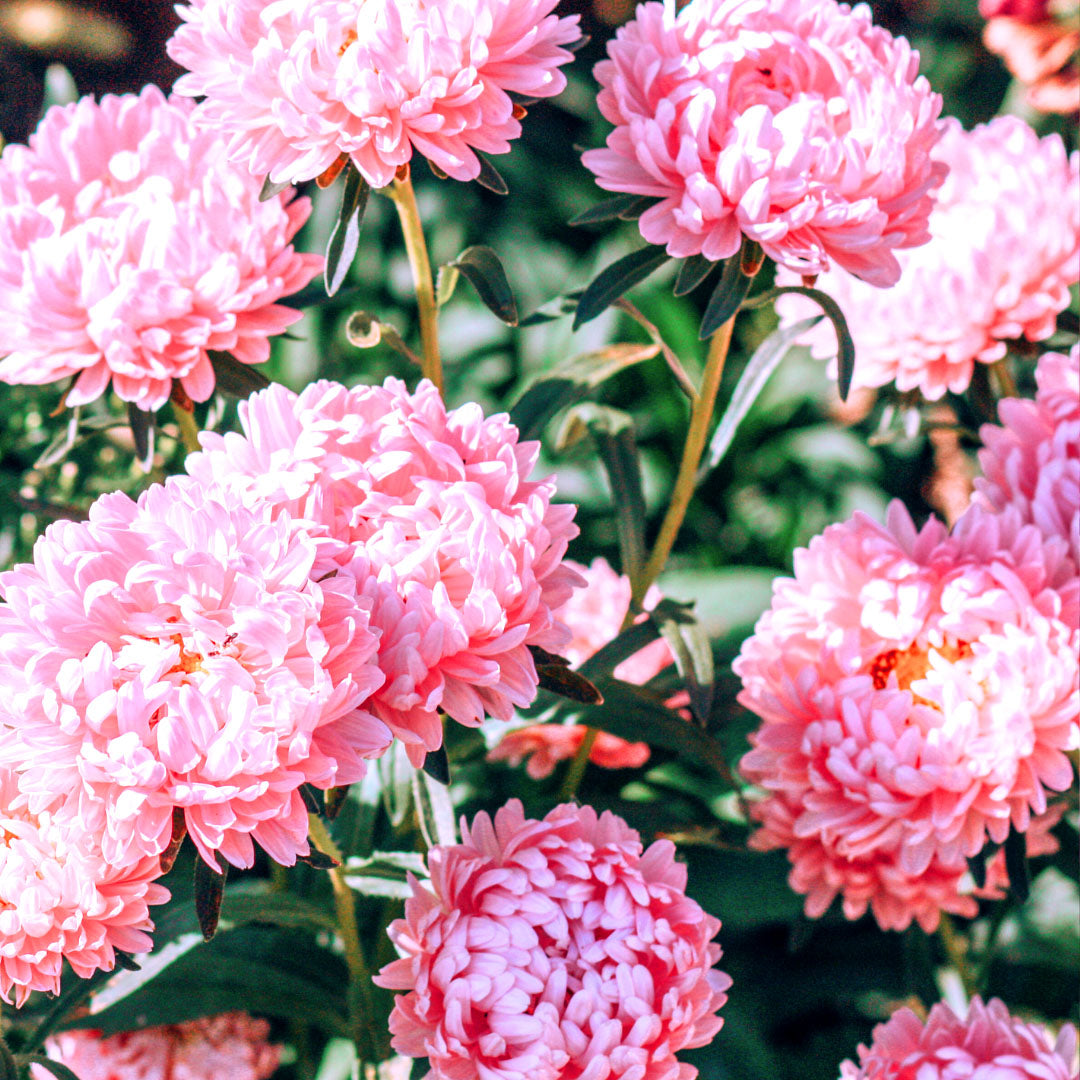

Dwarf Aster "Thousand Wonders Salmon Rose" - 150 seeds (Callistephus Chinensis)
£1.24
Unit price perDwarf Aster "Thousand Wonders Salmon Rose" - 150 seeds (Callistephus Chinensis)
£1.24
Unit price perDwarf Aster ‘Thousand Wonders Salmon Rose’ – Seeds (Callistephus chinensis)
Dwarf Aster ‘Thousand Wonders Salmon Rose’ (Callistephus chinensis) is a charming annual featuring abundant, fully double blooms in soft salmon-rose hues. Blooming from mid-summer to autumn, these compact asters are perfect for borders, containers, and cottage-style gardens. Easy to grow and low-maintenance, they attract pollinators and add long-lasting color, making them ideal for cheerful summer displays and cut flower arrangements.
Why Grow "Thousand Wonders Salmon Rose"
-
Fully double, soft salmon-rose blooms
-
Long flowering season from mid-summer to autumn
-
Compact, low-maintenance annual
-
Pollinator-friendly and excellent for cut flowers
Key Features
-
Type: Annual (Callistephus chinensis)
-
Height: 25–35 cm
-
Flowering: Mid-summer to autumn
-
Position: Full sun
-
Uses: Borders, containers, cottage gardens, cut flowers, pollinator-friendly gardens
Ideal For
-
Adding vibrant color to compact spaces and borders
-
Container planting and window boxes
-
Pollinator-friendly gardens
-
Summer cut flower arrangements
Sowing & Growing
-
Sow indoors: February–April in trays or pots
-
Sow outdoors: April–May after frost
-
Germination: 7–14 days at 18–22°C
-
Thin seedlings 20–25 cm apart
-
Prefers well-drained soil in full sun
-
Deadhead regularly to encourage continuous flowering
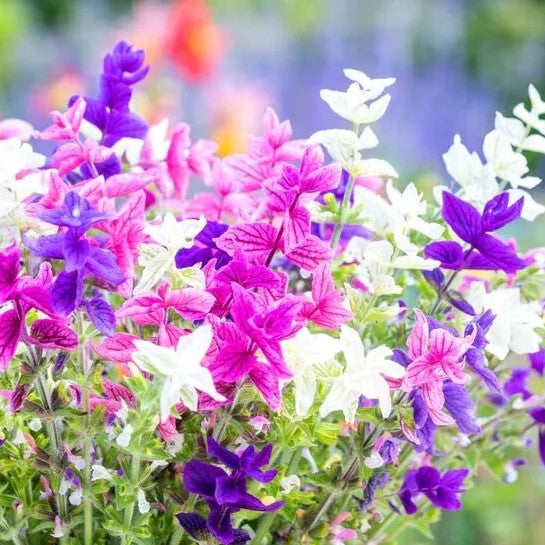
Clary Salvia – Seeds (Salvia horminum)
Clary Salvia (Salvia horminum) is an elegant, long-flowering annual producing vibrant spikes of violet, blue, or pink blooms. Blooming from summer to autumn, it attracts bees and butterflies while adding vertical interest and striking color to borders, containers, and cottage gardens. Easy to grow and low-maintenance, Clary Salvia is perfect for creating eye-catching displays with minimal effort.
Why Grow "Clary Salvia"
-
Vibrant spikes of violet, blue, or pink flowers
-
Long flowering season from summer to autumn
-
Attracts pollinators like bees and butterflies
-
Adds vertical interest and color to borders and containers
Key Features
-
Type: Annual (Salvia horminum)
-
Height: 50–70 cm
-
Flowering: Summer to autumn
-
Position: Full sun
-
Uses: Borders, containers, cottage gardens, pollinator-friendly gardens
Ideal For
-
Adding vertical color to borders and beds
-
Patio and container planting
-
Pollinator-friendly garden designs
-
Gardeners seeking long-flowering, low-maintenance annuals
Sowing & Growing
-
Sow indoors: 6–8 weeks before last frost
-
Sow outdoors: After frost danger has passed
-
Germination: 10–14 days
-
Space seedlings: 30–40 cm apart
-
Prefers well-drained soil and full sun
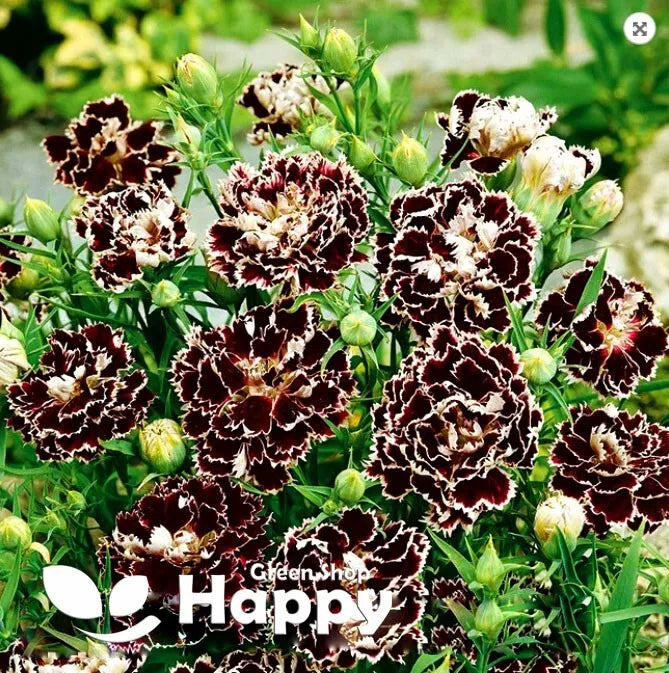
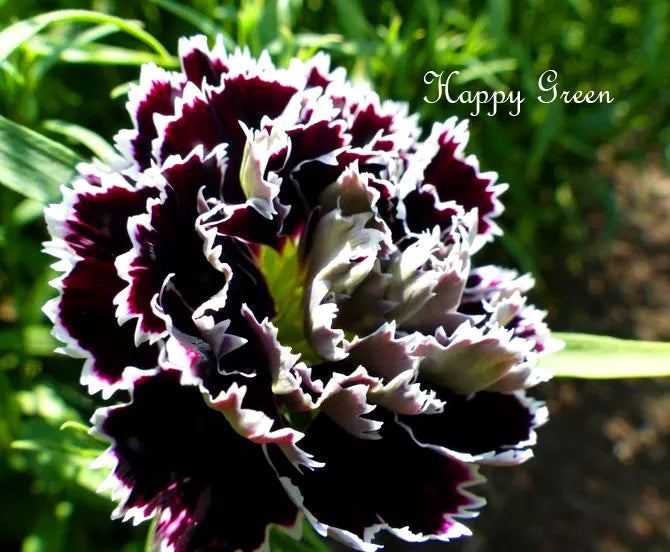
Carnation Black – Seeds (Dianthus heddewigii ‘Chianti’)
Carnation ‘Black Chianti’ is a dramatic annual with deep, velvety maroon to near-black blooms that make a bold statement in beds, borders, and cut arrangements. Its compact habit, long flowering season, and striking color bring elegance and contrast to any garden. Easy to grow and perfect for adding depth to mixed displays.
Why Grow "Black Chianti"
-
Striking near-black, velvety blooms
-
Compact and easy to grow
-
Long flowering season
-
Great for cutting and arrangements
Key Features
-
Type: Hardy annual (Dianthus heddewigii)
-
Height: 30–45 cm
-
Flowering: June–September
-
Position: Full sun, well-drained soil
-
Uses: Borders, containers, cut flowers
Ideal For
-
Bold bedding schemes
-
Patio containers
-
Cottage and modern gardens
-
Dark accents in floral displays
Sowing & Growing
-
Sow indoors: February–April in trays/pots
-
Sow outdoors: April–June in prepared soil
-
Germination: 7–14 days at 18–22°C
-
Transplant or thin to 20–25 cm apart
-
Remove spent blooms to extend flowering
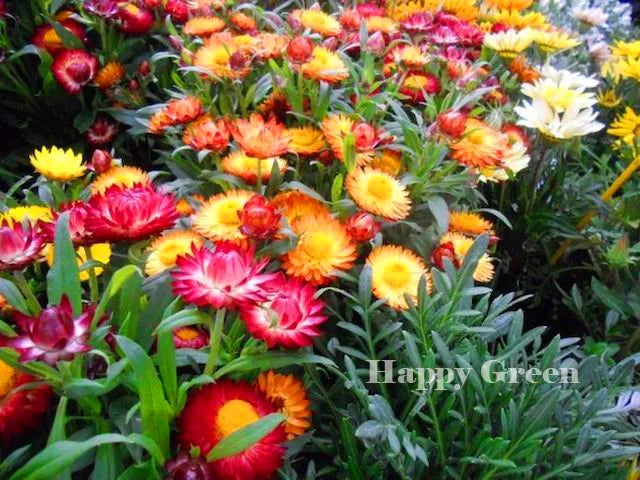
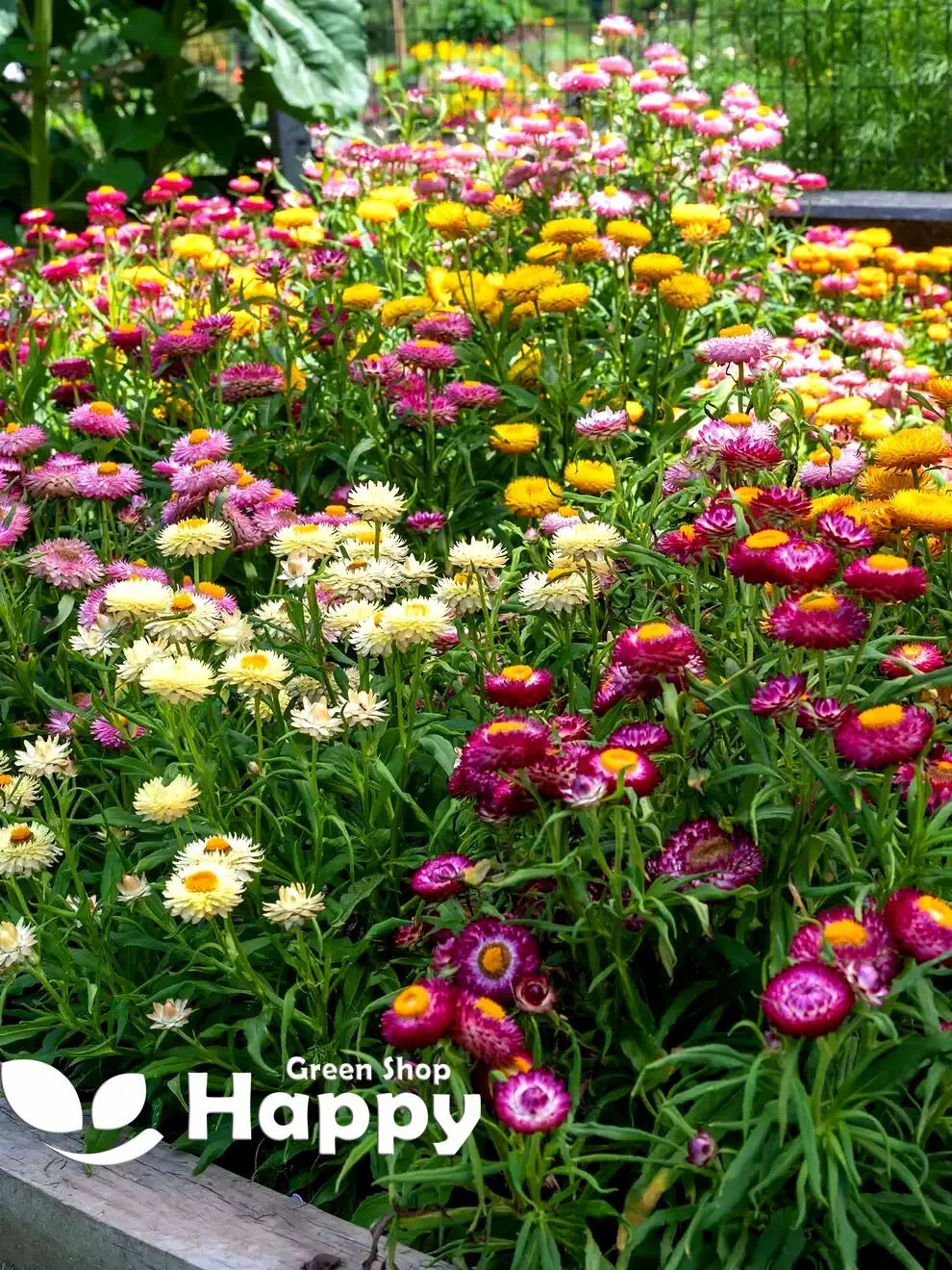
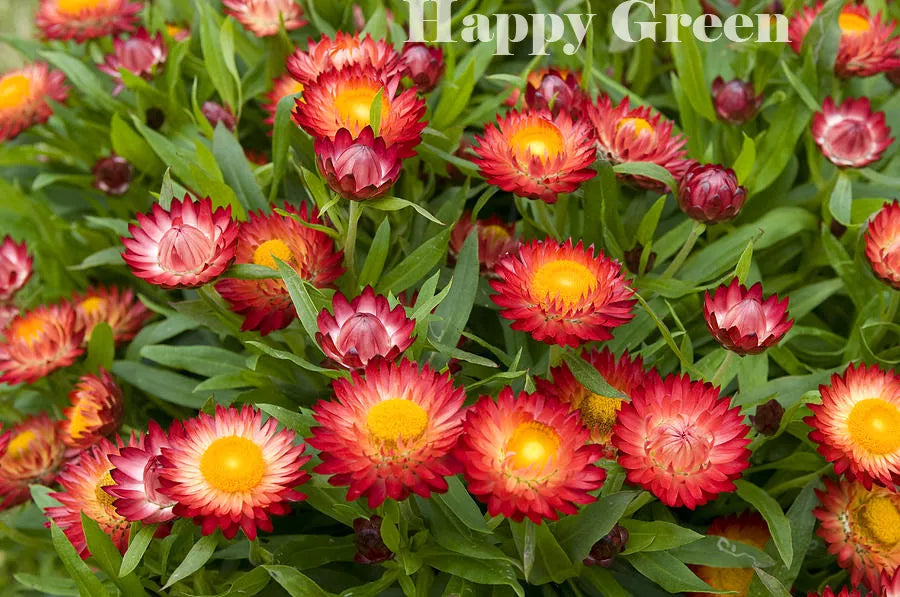
Strawflower ‘Tom Thumb’ Mixed – 800 Seeds (Helichrysum bracteatum)
Compact yet dazzling, Strawflower ‘Tom Thumb’ Mixed brings a burst of jewel-like colors to your garden. These papery, everlasting blooms shine in vibrant shades and are prized for their ability to retain shape and brilliance when dried. Perfect for small borders, pots, and cutting gardens, they provide endless color and beauty from summer through autumn.
What Makes It Special
-
Compact, dwarf-growing variety – ideal for small gardens & containers
-
Produces vibrant, papery flowers that are excellent for drying
-
Long-lasting blooms that withstand heat and drought
-
Adds bright splashes of color all summer
Key Features
-
Half-hardy annual, height: 30–40 cm
-
Blooms: Summer to autumn
-
Thrives in full sun & well-drained soil
-
Great for bedding, pots, and floral crafts
Ideal For
-
Containers and window boxes
-
Cottage & wildlife gardens
-
Fresh and dried floral arrangements
-
Easy-care, drought-tolerant displays
Sowing
-
Sow indoors 6–8 weeks before last frost or directly outdoors after frost
-
Lightly cover seeds; keep soil at 18–21°C
-
Germination: 7–14 days
-
Transplant or thin seedlings to 20–25 cm apart
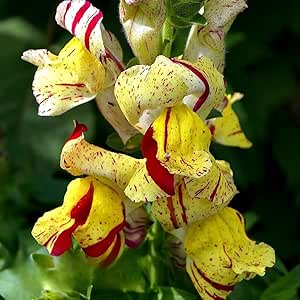
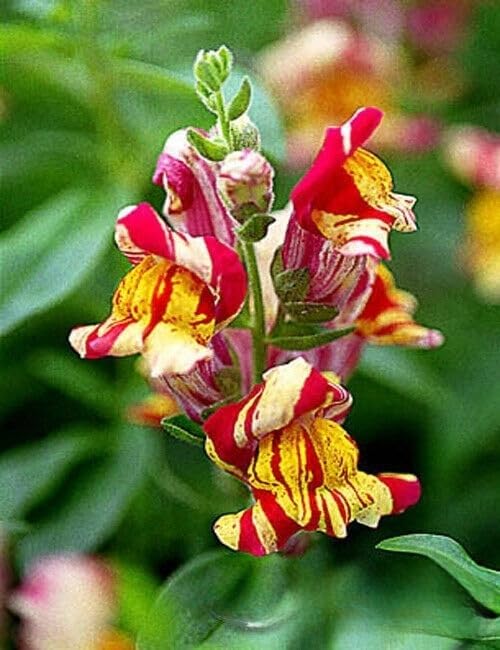
Snapdragon ‘Brighton Rock’ Striped Mix Seeds (Antirrhinum majus)
A colorful and cheerful annual, Snapdragon ‘Brighton Rock’ Striped Mix produces tall spikes of striped blooms in a mix of vibrant shades. Hardy and long-flowering, these snapdragons are perfect for borders, cottage gardens, and container plantings, adding vertical interest and attracting pollinators throughout summer.
What Makes It Special
-
Striking striped blooms in a mix of vibrant colors
-
Hardy, tall, and long-flowering annual
-
Attracts bees and butterflies, supporting pollinator gardens
Key Features
-
Botanical name: Antirrhinum majus
-
Hardy annual
-
Height: 40–90 cm (16–36 in)
-
Bloom time: Summer to early autumn
Ideal For
-
Garden borders and cottage-style plantings
-
Containers, pots, and window boxes
-
Pollinator-friendly gardens
Sowing
-
Sow indoors Feb–Apr or outdoors Mar–May
-
Cover lightly with soil and keep moist
-
Germination: 10–21 days at 18–20°C
-
Thin seedlings 20–30 cm apart
-
Flowers the same year after sowing
Showing 135/260


