
Cottage Garden Flower Seeds

Sort by:
260 products
260 products
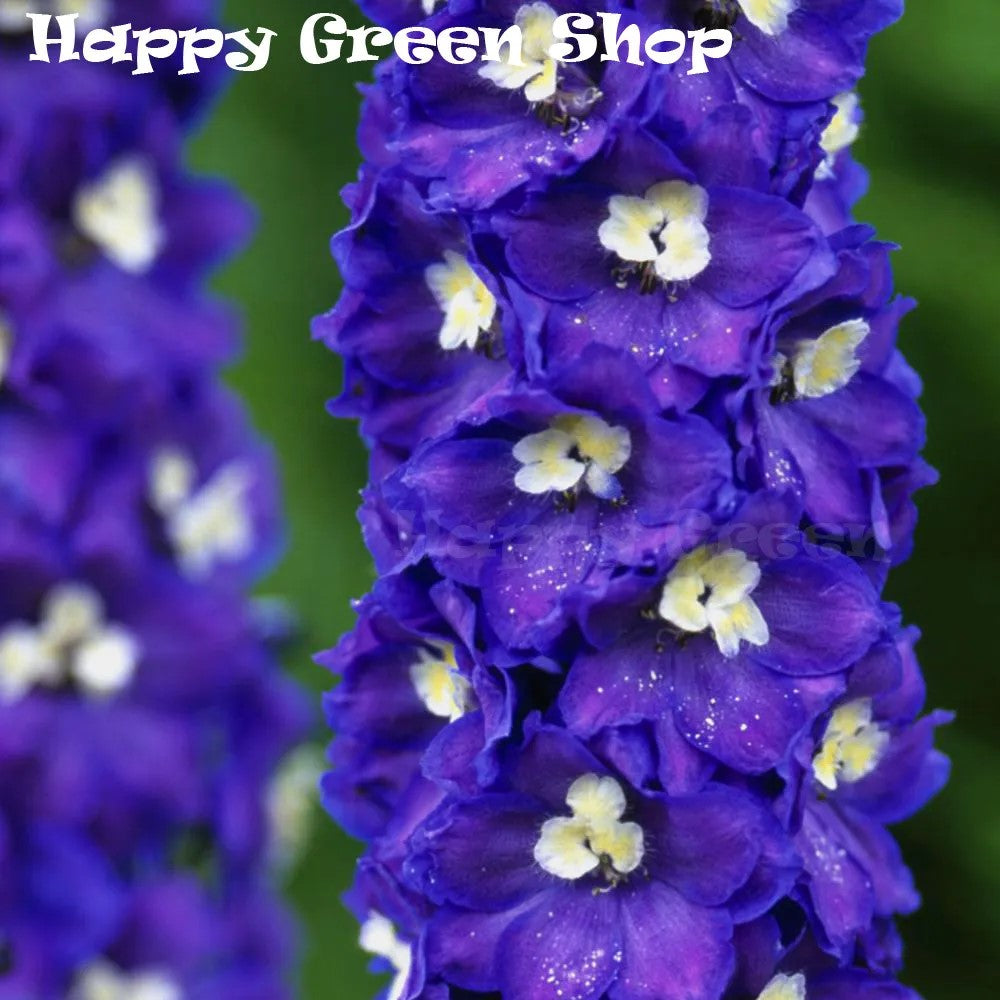
Pacific Giant ‘King Arthur’ – 110 Seeds (Delphinium cultorum)
Pacific Giant ‘King Arthur’ (Delphinium cultorum) is a striking perennial with tall, majestic spikes of deep blue flowers. Ideal for borders and cottage gardens, it creates a dramatic vertical display from mid-summer to early autumn. Easy to grow in well-drained soil and full sun, this variety attracts pollinators and adds a bold, elegant statement to any garden.
Why Grow "King Arthur"
-
Tall, majestic spikes of deep blue flowers
-
Long flowering season from mid-summer to early autumn
-
Creates dramatic vertical accents in borders and gardens
-
Attracts bees and butterflies
Key Features
-
Type: Perennial (Delphinium cultorum)
-
Height: 120–180 cm
-
Flowering: July–September
-
Position: Full sun
-
Uses: Borders, cottage gardens, cutting gardens, pollinator-friendly planting
Ideal For
-
Tall border displays
-
Cottage-style and pollinator-friendly gardens
-
Cutting gardens for dramatic arrangements
-
Adding vertical color and structure
Sowing & Growing
-
Sow indoors: February–April in trays or pots
-
Sow outdoors: April–May after frost
-
Germination: 14–21 days at 18–20°C
-
Thin seedlings to 30–40 cm apart
-
Prefers well-drained, fertile soil and full sun
-
Stake taller plants to prevent flopping
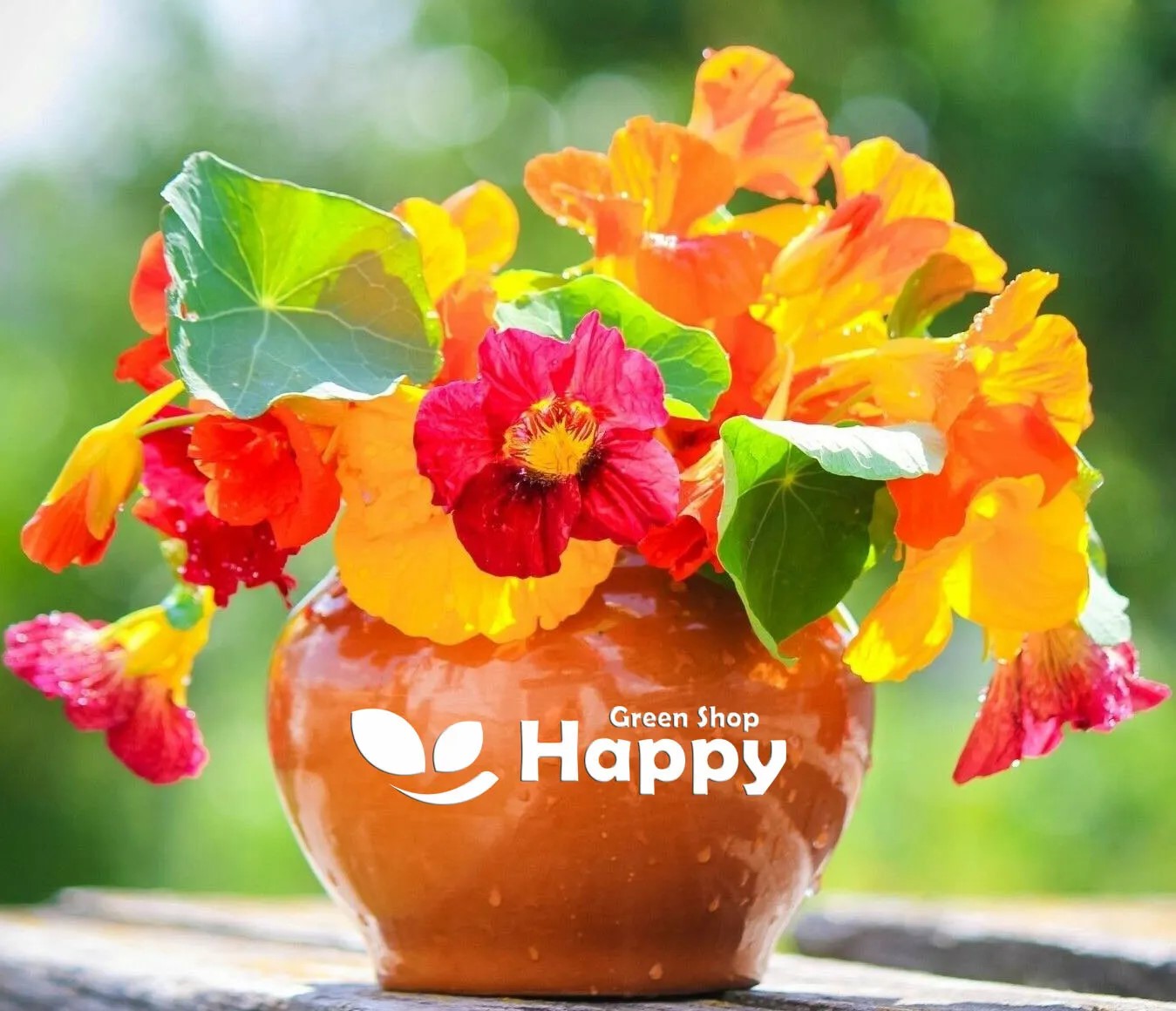
Nasturtium ‘Out Of Africa’ – 60 Seeds (Tropaeolum majus)
Add a unique touch to your garden with Nasturtium ‘Out Of Africa’, a rare variety admired for its strikingly variegated foliage and vibrant flowers. The creamy-white marbled leaves provide a beautiful backdrop for the classic nasturtium blooms in shades of orange, red, and yellow. A vigorous yet easy-to-grow plant, perfect for borders, beds, hanging baskets, or edible gardens.
Highlights
-
Distinctive cream-variegated leaves with colorful flowers
-
Long-lasting blooms throughout summer and autumn
-
Edible flowers and foliage – peppery flavor for salads and garnishes
-
Hardy and low-maintenance
Key Features
-
Botanical Name: Tropaeolum majus
-
Seed Count: 60
-
Height: 30–40 cm
-
Position: Full sun to partial shade
-
Flowering Period: Summer to first frost
Perfect For
-
Adding foliage contrast to beds and borders
-
Hanging baskets and containers
-
Edible gardens and pollinator-friendly planting
-
Cottage and ornamental gardens
Sowing Instructions
-
Sow indoors 4–6 weeks before last frost or directly outdoors after frost risk has passed
-
Plant seeds 1.5–2 cm deep in well-drained soil
-
Space plants 25–30 cm apart
-
Germination: 10–14 days at 15–20°C
-
Flowers in 8–10 weeks after sowing


Columbine 'Nora Barlow' Seeds (Aquilegia vulgaris 'Nora Barlow')
Unique and eye-catching, Columbine 'Nora Barlow' produces fully double, spurless flowers in shades of pink, rose, and green, with a charming pompom-like appearance. Unlike traditional columbines, its blooms resemble miniature dahlias, making it a standout in cottage gardens and borders. A hardy perennial, it also attracts bees and butterflies.
What Makes It Special
-
Double, dahlia-like flowers in pink and green tones
-
Spurless blooms, unlike typical columbines
-
Hardy perennial and pollinator-friendly
Key Features
-
Botanical name: Aquilegia vulgaris 'Nora Barlow'
-
Hardy perennial
-
Height: 60–80 cm (24–32 in)
-
Bloom time: Late spring to early summer
Ideal For
-
Cottage gardens and perennial borders
-
Wildlife and pollinator-friendly gardens
-
Cutting gardens for unique arrangements
Sowing
-
Sow indoors Feb–Apr or outdoors Apr–Jun
-
Cover lightly with soil; requires light for germination
-
Germination: 21–35 days at 15–20°C
-
Thin seedlings 30 cm apart
-
Flowers the second year after sowing

Aquilegia vulgaris var. stellata 'Barlow Mixed', commonly known as Columbine or Granny's Bonnet, is a distinctive hardy perennial producing fully double, spurless flowers with an intricate pompon-like form. The mixture creates an elegant range of colours including deep blue and violet, rich pink and raspberry shades, softer lilacs and whites, held on upright stems above attractive divided foliage.
Flowering in late spring and early summer, Barlow Mix brings height and intricate flower form to cottage gardens, perennial borders and partially shaded planting. The unusual double blooms are also excellent for cutting, while the plants are fully hardy and return year after year in suitable conditions.
● Unusual fully double, pompon-like flowers
● Distinctive spurless form unlike traditional Columbines
● Beautiful mixture of blues, violets, pinks, lilacs and whites
● Hardy perennial returning year after year
● Elegant flowering stems suitable for cutting
● Cottage gardens
● Perennial borders
● Cut flower gardens
● Sun or partial shade
● Underplanting roses and shrubs
● Surface sow the seeds and do not cover them with compost, as light is beneficial for successful germination.
● Germination can be slow and irregular, so keep the compost moist and do not discard apparently inactive seed trays too early.
● Cold stratification is not routinely necessary for fresh spring-sown seed. If germination has not occurred after several months, a period of cold, moist conditions can help break remaining dormancy.
● Transplant seedlings while they are still young and easy to handle; established Aquilegia dislike root disturbance and can recover slowly after being moved.
● After flowering, tired foliage can be cut back to encourage a fresh flush of leaves later in summer.
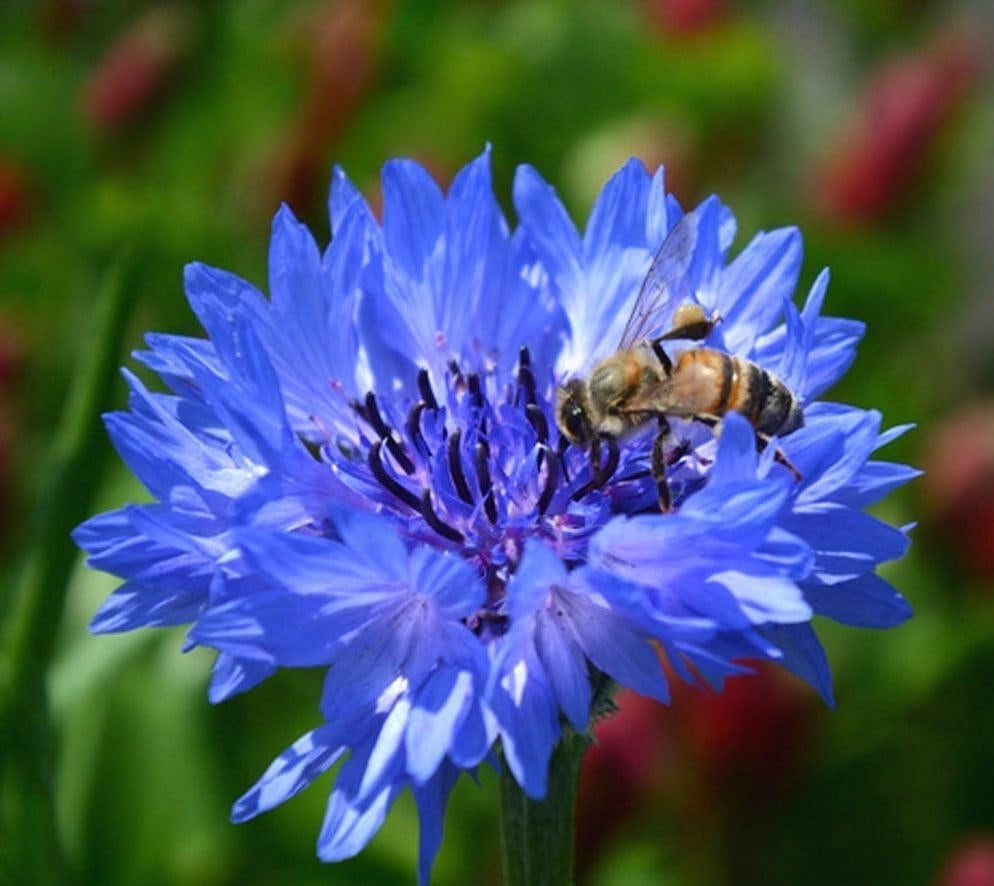
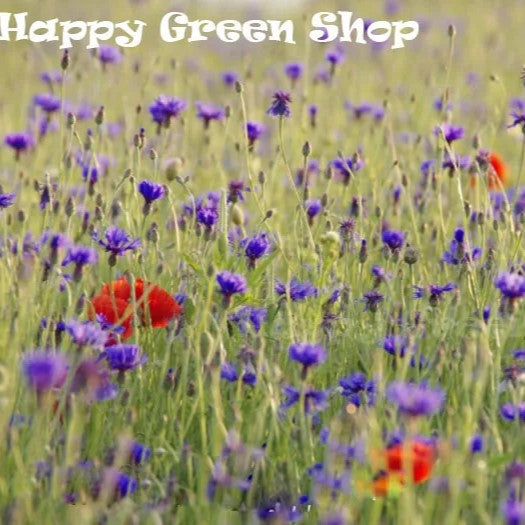

Bachelor’s Button ‘Blue Boy’ – 1,200 Seeds (Centaurea cyanus)
Bachelor’s Button ‘Blue Boy’ (Centaurea cyanus) is a charming annual producing striking cornflower-blue blooms with a classic, dainty appearance. Perfect for borders, meadows, and cutting gardens, it adds vibrant color from late spring to summer. Easy to grow and long-flowering, it attracts pollinators while creating a nostalgic, cottage-garden feel.
Why Grow "Blue Boy"
-
Bright cornflower-blue blooms
-
Long flowering season from late spring to summer
-
Easy to grow and low-maintenance
-
Attracts bees and butterflies
Key Features
-
Type: Annual (Centaurea cyanus)
-
Height: 40–80 cm
-
Flowering: May–August
-
Position: Full sun
-
Uses: Borders, meadows, cutting gardens, pollinator-friendly planting
Ideal For
-
Cottage-style gardens
-
Cutting gardens for fresh bouquets
-
Pollinator-friendly landscapes
-
Meadows and naturalized borders
Sowing & Growing
-
Sow outdoors: March–May directly in prepared soil
-
Germination: 7–14 days at 15–20°C
-
Thin seedlings to 20–25 cm apart
-
Prefers full sun and well-drained soil
-
Deadhead to encourage prolonged flowering
Sweet Pea Enchanté – 10 Seeds (Lathyrus odoratus)
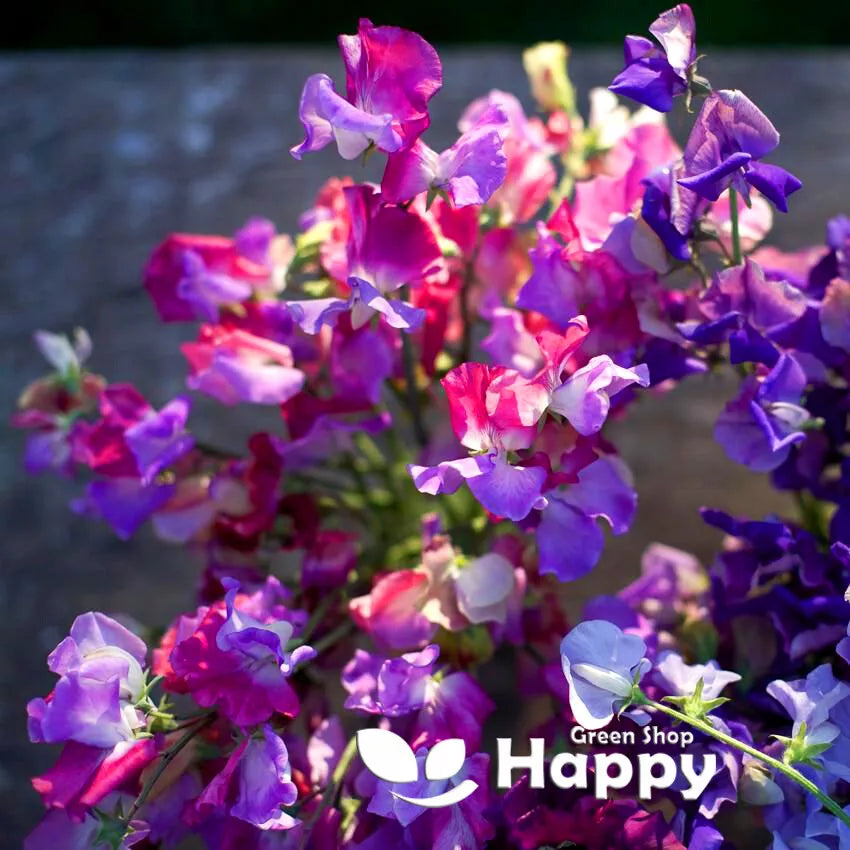
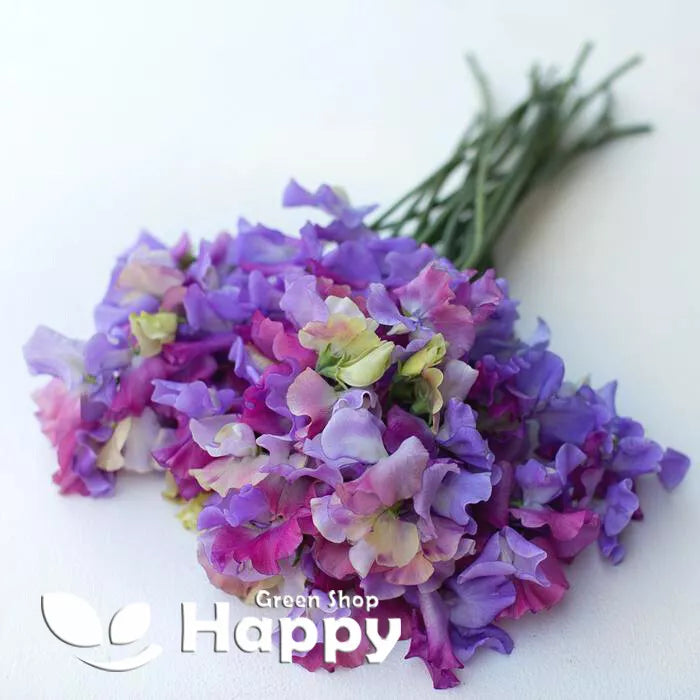
Sweet Pea Enchanté (Lathyrus odoratus) is a fragrant annual climber producing delicate, bicolored blooms in soft pink and cream tones. Perfect for trellises, fences, and arches, it adds vertical interest and a sweet scent to any garden. Long-flowering and easy to grow, it also works beautifully as cut flowers for indoor arrangements.
Why Grow "Enchanté"
-
Fragrant bicolored blooms in soft pink and cream
-
Vigorous climbing habit ideal for trellises and arches
-
Long flowering season from spring to summer
-
Perfect for cut flowers
Key Features
-
Type: Annual climber (Lathyrus odoratus)
-
Height: 120–180 cm
-
Flowering: May–September
-
Position: Full sun
-
Uses: Trellises, fences, arches, cutting flowers, vertical interest
Ideal For
-
Vertical garden displays and trellises
-
Cottage-style and fragrant gardens
-
Cut flower arrangements
-
Pollinator-friendly planting
Sowing & Growing
-
Sow indoors: February–April in seed trays or pots
-
Sow outdoors: April–May after frost
-
Germination: 10–20 days at 15–20°C
-
Provide support for climbing
-
Thin seedlings to 10–15 cm apart
-
Deadhead regularly to encourage continuous flowering
Sweet Pea 'Prince of Orange' – 25 Seeds (Lathyrus odoratus)
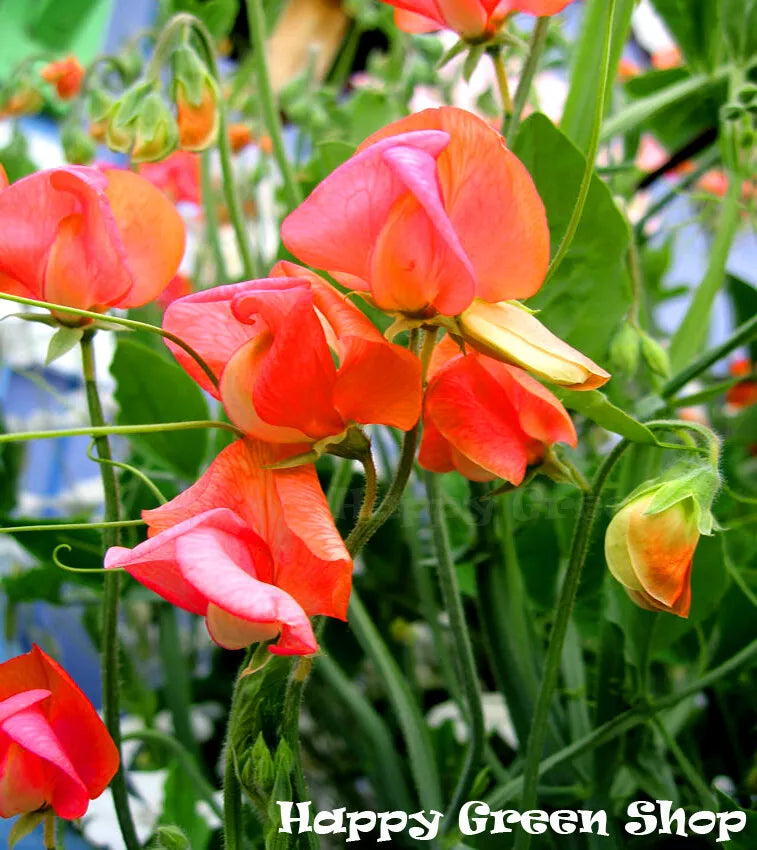
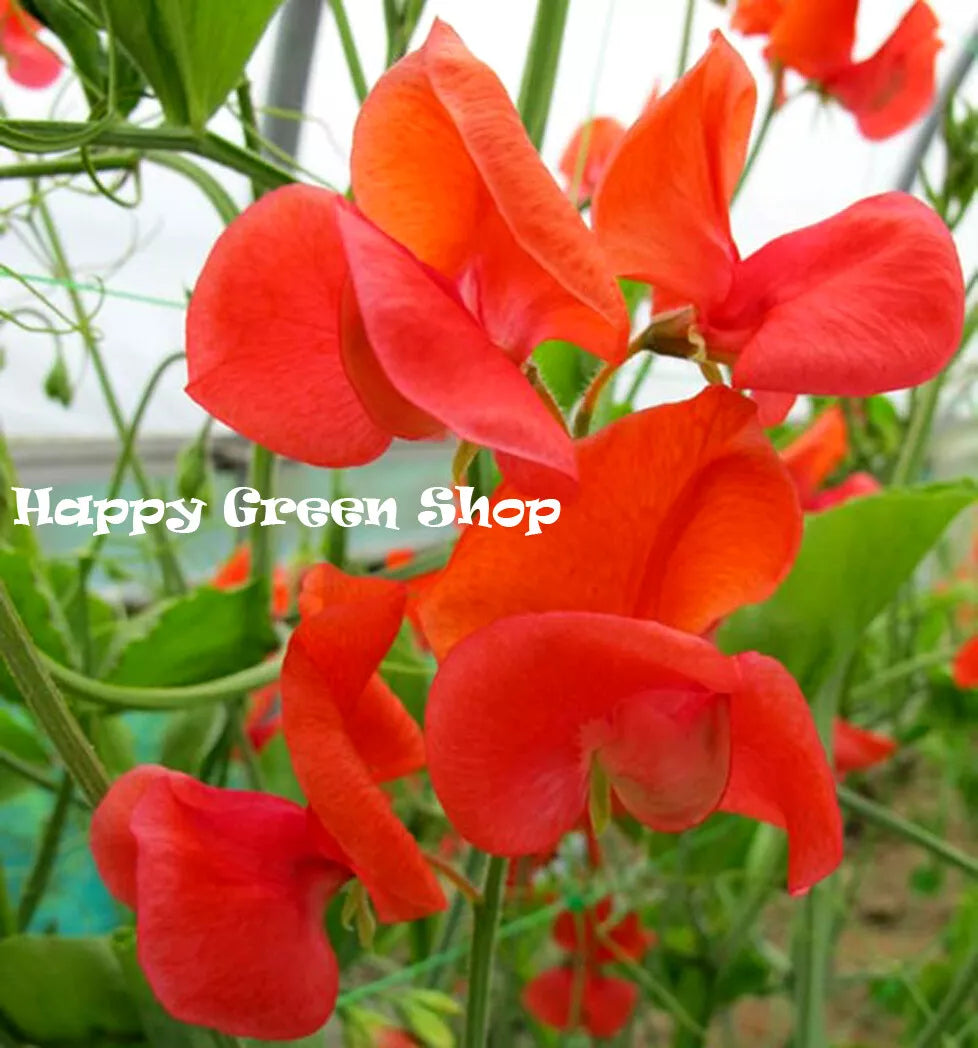
Bring a warm glow to your garden with Sweet Pea 'Prince of Orange'. This striking variety showcases large, richly scented flowers in glowing shades of orange, apricot, and coral. A vigorous climber, it creates a stunning display on trellises, arches, or fences and produces long stems ideal for cut flowers.
Why Grow 'Prince of Orange'
-
Glowing orange-apricot blooms
-
Strong, sweet fragrance
-
Excellent cut flower variety
-
Vigorous climbing habit
Key Features
-
Type: Hardy annual (Lathyrus odoratus)
-
Height: 180–240 cm (climber)
-
Flowering: June–September
-
Position: Full sun
-
Uses: Trellises, arches, fences, cut flowers
Ideal For
-
Cottage gardens and borders
-
Vertical displays on arches and trellises
-
Cutting gardens
-
Fragrant summer bouquets
Sowing & Growing
-
Sow indoors: January–April in pots/trays
-
Sow outdoors: April–May directly into soil
-
Germination: 10–20 days at 15–20°C
-
Plant out after last frost, spacing 20–30 cm
-
Provide strong climbing support
-
Regular deadheading encourages more blooms

Flowering Tobacco ‘Lime Green’ – Seeds
(Nicotiana alata)
Flowering Tobacco ‘Lime Green’ brings a refreshing splash of vibrant chartreuse-green to garden beds and containers. Its trumpet-shaped blooms are long-lasting, highly fragrant in the evening, and irresistible to moths and other night pollinators. The unique lime-green color makes it a standout companion for bold or dark-hued flowers.
Why Grow Flowering Tobacco ‘Lime Green’?
-
Unusual lime-green trumpet flowers
-
Strong evening fragrance
-
Attracts pollinators, especially moths
-
Provides color contrast in borders & containers
Key Features
-
Type: Half-hardy annual
-
Height: 60–90 cm
-
Flowers: June–October
-
Position: Full sun or part shade
-
Soil: Moist, fertile, well-drained
Ideal For
-
Evening-scented gardens
-
Mixed borders & cottage gardens
-
Containers & patio displays
-
Companion planting with bold colors
Sowing & Growing
-
Sow indoors: Feb–April on the surface of moist compost, do not cover (light aids germination)
-
Germination: 10–20 days at 18–22°C
-
Harden off & plant out after frost
-
Spacing: 25–30 cm apart
-
Deadhead to encourage more blooms
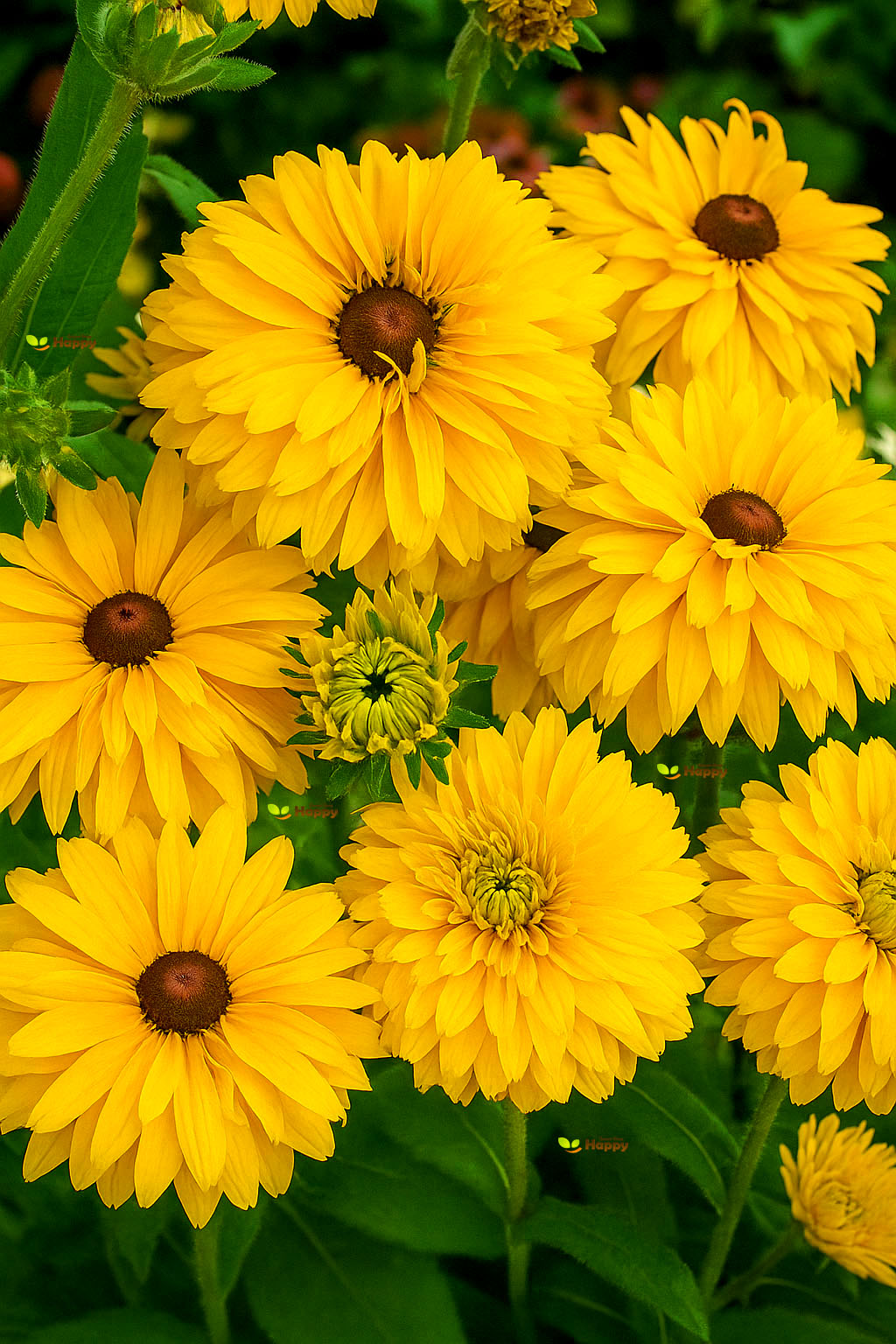

Rudbeckia ‘Golden Daises’ Seeds (Rudbeckia hirta)
Bring cheerful sunshine to your garden with Rudbeckia ‘Golden Daises’ (Rudbeckia hirta). This hardy annual produces bright golden-yellow daisy-like flowers with dark centers, perfect for borders, beds, and cutting gardens. Easy to grow and long-flowering, it attracts pollinators and adds bold, eye-catching color from summer through autumn.
How to Grow
-
Sow seeds directly outdoors in spring after the last frost or indoors 6–8 weeks earlier.
-
Use well-drained soil in full sun.
-
Scatter seeds thinly and cover lightly with soil.
-
Keep soil moist until germination (7–14 days).
-
Thin seedlings to 25–30 cm apart once established.
-
Deadhead spent flowers to encourage continuous blooming.
Key Features
-
Bright golden-yellow daisy-like flowers with dark centers
-
Hardy annual, easy to grow and long-flowering
-
Ideal for borders, beds, and cutting gardens
-
Attracts bees, butterflies, and other pollinators
-
Adds bold, cheerful color to summer and autumn gardens
Ideal For
-
Flower borders and cottage gardens
-
Cutting gardens for fresh bouquets
-
Pollinator-friendly landscapes
-
Containers, patio planters, and naturalized plantings
Sowing
-
Best time: Spring outdoors or 6–8 weeks earlier indoors
-
Germination: 7–14 days
-
Sow thinly, cover lightly, and keep soil moist
-
Prefers full sun and well-drained soil
Quick Tip
-
Deadhead regularly to maintain vibrant blooms and extend the flowering season.
Showing 144/260

