
Cottage Garden Flower Seeds

Sort by:
260 products
260 products
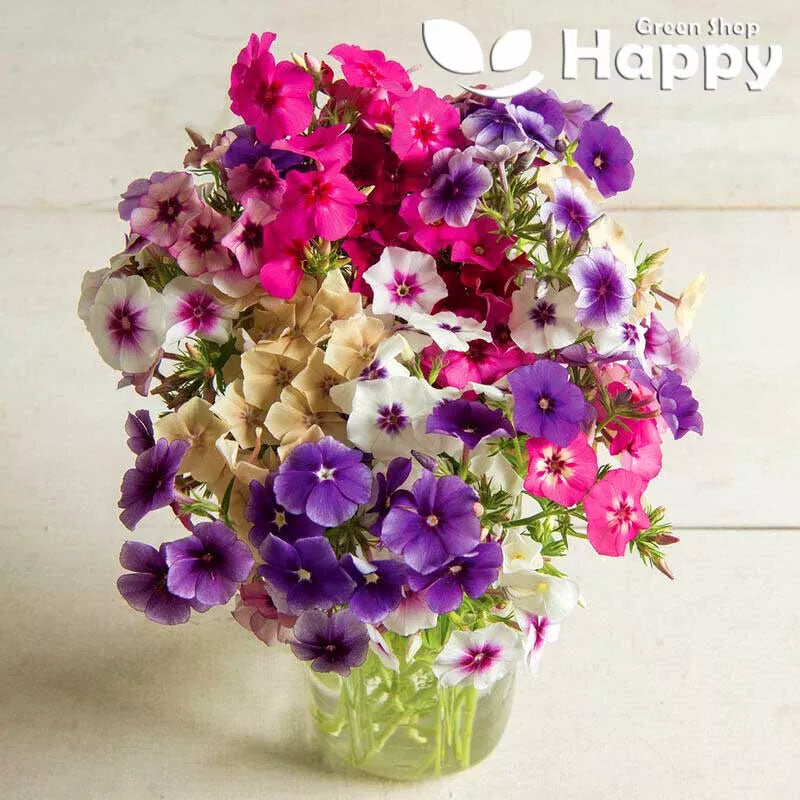
Drummond's Phlox 'Art Shades' Mix - 300 seeds (Phlox drummondii grandiflora)
£1.24
Unit price perDrummond's Phlox 'Art Shades' Mix - 300 seeds (Phlox drummondii grandiflora)
£1.24
Unit price perDrummond's Phlox 'Art Shades' Mix – Seeds (Phlox drummondii grandiflora)
Drummond's Phlox 'Art Shades' Mix (Phlox drummondii grandiflora) is a stunning annual that produces masses of large, brightly colored flowers in a wide range of pastel and vivid shades. Blooming from early summer to autumn, it provides long-lasting displays that light up borders, bedding schemes, rock gardens, and containers. With its compact habit and profusion of blooms, this phlox is both versatile and easy to grow, attracting bees and butterflies throughout the season.
Why Grow "Art Shades" Mix
-
Bright and pastel blooms in a wide range of colors
-
Long flowering season from early summer to autumn
-
Compact, bushy growth ideal for borders and beds
-
Attracts bees and butterflies
Key Features
-
Type: Half-hardy annual (Phlox drummondii grandiflora)
-
Height: 20–30 cm
-
Flowering: Early summer to autumn
-
Position: Full sun or light shade
-
Uses: Borders, bedding, rock gardens, containers, pollinator gardens
Ideal For
-
Adding vibrant color to summer displays
-
Compact planting for small gardens or pots
-
Rockeries, edging, and cottage gardens
-
Pollinator-friendly flower beds
Sowing & Growing
-
Sow indoors: March–April in trays or pots
-
Sow outdoors: May, after frost danger has passed
-
Germination: 14–21 days at 15–20°C
-
Transplant seedlings 15–20 cm apart
-
Prefers well-drained soil in full sun to partial shade
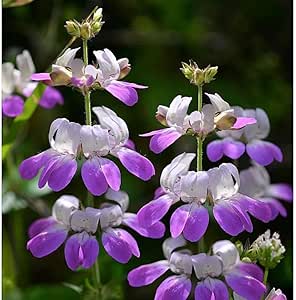
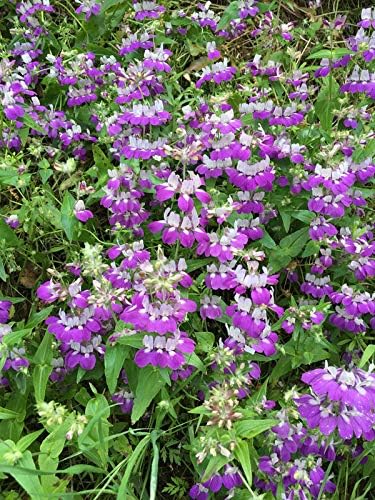
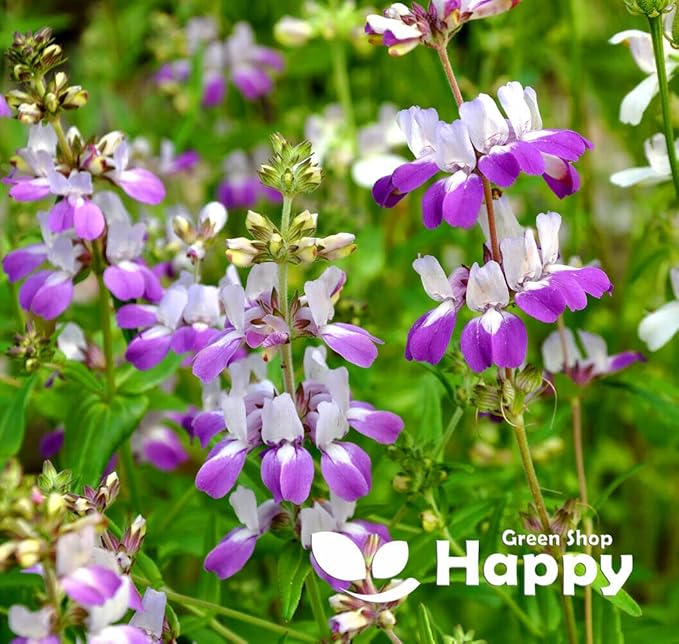
Chinese Houses Seeds (Collinsia heterophylla)
The Chinese Houses is a charming annual wildflower, native to California, producing delicate whorls of purple and white, two-tone blossoms stacked like little pagodas. Its unique form and soft colors make it a lovely choice for borders, wildflower meadows, or naturalistic plantings. Easy to grow, it self-seeds readily and attracts bees and butterflies.
What Makes It Special
-
Distinctive tiered flowers resembling miniature pagodas
-
Native wildflower, easy to grow and care for
-
Attracts bees, butterflies, and other pollinators
Key Features
-
Botanical name: Collinsia heterophylla
-
Hardy annual
-
Height: 30–50 cm (12–20 in)
-
Bloom time: Late spring to summer
Ideal For
-
Wildflower and meadow-style gardens
-
Cottage and naturalistic borders
-
Pollinator-friendly plantings
Sowing
-
Sow directly outdoors Mar–May or Aug–Sep for earlier blooms
-
Lightly cover seeds with soil
-
Germination: 14–21 days at 15–20°C
-
Thin seedlings 15–20 cm apart
-
Flowers in the same year

Chinese Forget-Me-Not Blue – 750 Seeds (Cynoglossum amabile)
Fill your garden with clouds of delicate, true-blue blossoms with Chinese Forget-Me-Not Blue. Easy to grow and long-blooming, this cottage-garden favorite adds charm to beds, borders, and cut flower arrangements.
What Makes It Special
-
Produces masses of dainty sky-blue flowers
-
Long-lasting blooms ideal for cutting
-
Classic cottage-garden beauty with minimal effort
Key Features
-
Height: 40–60 cm
-
Spread: 25–30 cm
-
Blooms: Summer through autumn
-
Hardy annual, easy to grow from seed
Ideal For
-
Borders and cottage gardens
-
Wildflower-style plantings
-
Cut flower arrangements
Sowing
-
Sow outdoors Mar–May or Aug–Sep for earlier blooms
-
Sow thinly in well-drained soil, lightly cover with compost
-
Germination: 10–20 days at 15–18°C
-
Thin seedlings to 25 cm apart
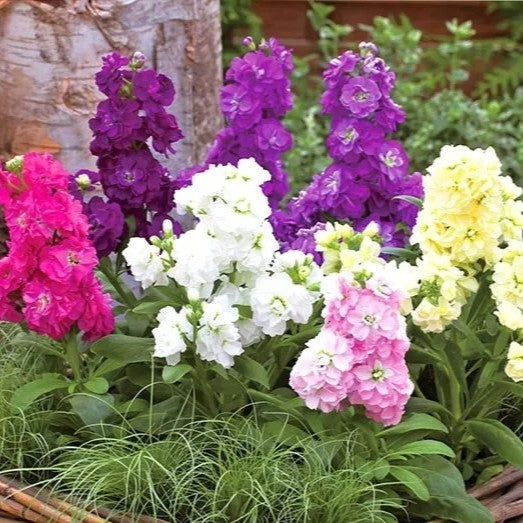
Dwarf Stock Ten Week Mix Seeds (Matthiola incana)
Brighten up your garden with the charming Dwarf Stock Ten Week Mix. This compact variety of Matthiola incana produces clusters of richly colored blooms in shades of pink, purple, red, and white, all with a delightful fragrance. Fast-growing and easy to care for, this mix is perfect for adding vibrant color and scent to beds, borders, and containers.
How to Grow
-
Sow indoors in late winter to early spring or outdoors after the last frost.
-
Use well-drained soil in a sunny location.
-
Lightly cover seeds with fine soil and keep moist until germination (7–14 days).
-
Transplant seedlings once large enough to handle, spacing 15–20 cm apart.
-
Water regularly, especially during dry spells.
-
Remove faded blooms to extend the flowering period.
Key Features
-
Compact plants ideal for small spaces and containers
-
Fragrant blooms in a rich color mix
-
Quick to flower, ready in about 10 weeks from sowing
-
Perfect for cut flowers and floral arrangements
-
Easy-to-grow annual with long-lasting blooms
Ideal For
-
Flower beds and borders
-
Patio containers and window boxes
-
Cottage gardens and cutting gardens
-
Adding fragrance and color to small spaces
Sowing
-
Best time: Late winter to spring
-
Germination: 7–14 days
-
Lightly cover seeds and keep soil moist
-
Prefers full sun and well-drained soil
Quick Tip
-
For continuous blooms, sow in small batches every 2–3 weeks during spring.


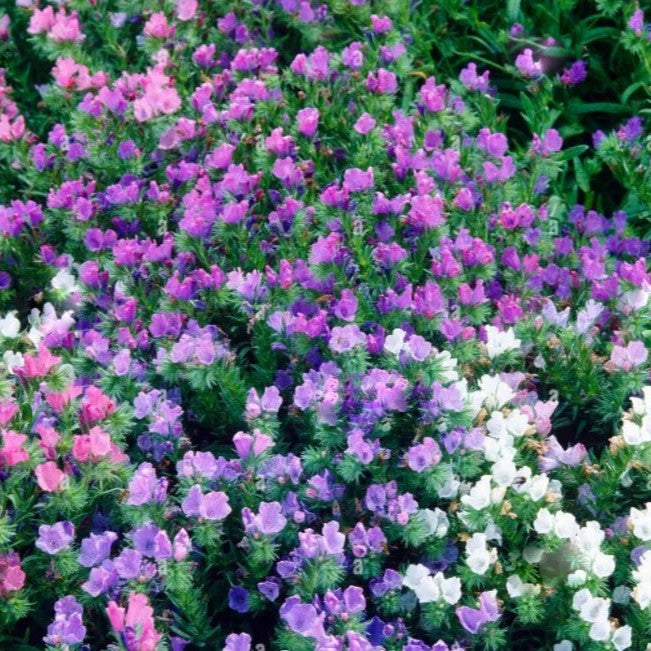
Blueweed Flower Mix Seeds (Echium plantagineum)
The Blueweed Flower Mix is a vibrant and easy-to-grow annual that produces a spectacular display of blue, pink, violet, and purple trumpet-shaped blooms. Also known as Paterson’s Curse, this wildflower is prized for its striking colors and its ability to attract bees, butterflies, and other pollinators throughout summer. Perfect for naturalistic planting, wildflower meadows, or borders, this hardy mix thrives in poor soils and sunny sites, offering months of color with minimal care.
What Makes It Special
-
Long-lasting multi-colored floral display
-
Excellent for wildlife-friendly gardens
-
Thrives in dry, poor soils where other flowers may struggle
-
Perfect choice for naturalistic meadows and pollinator habitats
Key Features
-
Botanical name: Echium plantagineum
-
Common name: Blueweed / Paterson’s Curse
-
Seed count: Approx. seeds per pack
-
Height/Spread: 30–80 cm tall, 20–40 cm spread
-
Position: Full sun; well-drained sandy or gravelly soil
-
Flowering period: June–September
Ideal For
-
Wildflower meadows
-
Pollinator-friendly planting
-
Cottage gardens
-
Low-maintenance beds and borders
-
Naturalizing in sunny, dry spots
Sowing Instructions
-
When to sow: March–May outdoors or September for earlier blooms next year
-
How to sow:
-
Sow seeds directly where they are to flower, in well-prepared soil
-
Lightly rake in and firm down
-
Keep soil moist until germination (7–14 days)
-
-
Spacing: Thin seedlings to 20–30 cm apart
-
Care: Once established, requires very little maintenance. Tolerant of drought. Deadhead to prolong flowering.
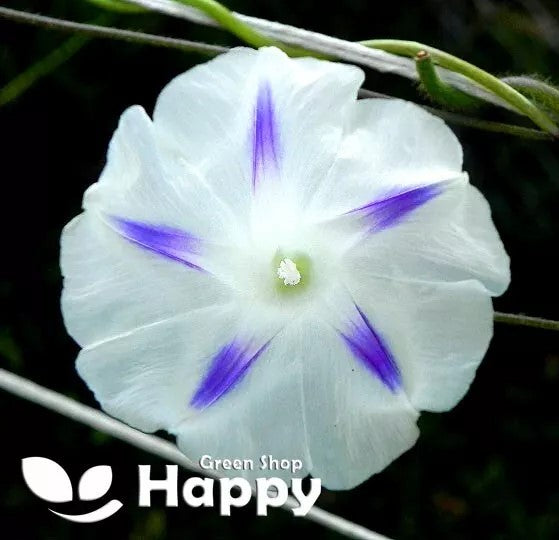
Morning Glory ‘Milky Way’ – Seeds
(Ipomoea tricolor)
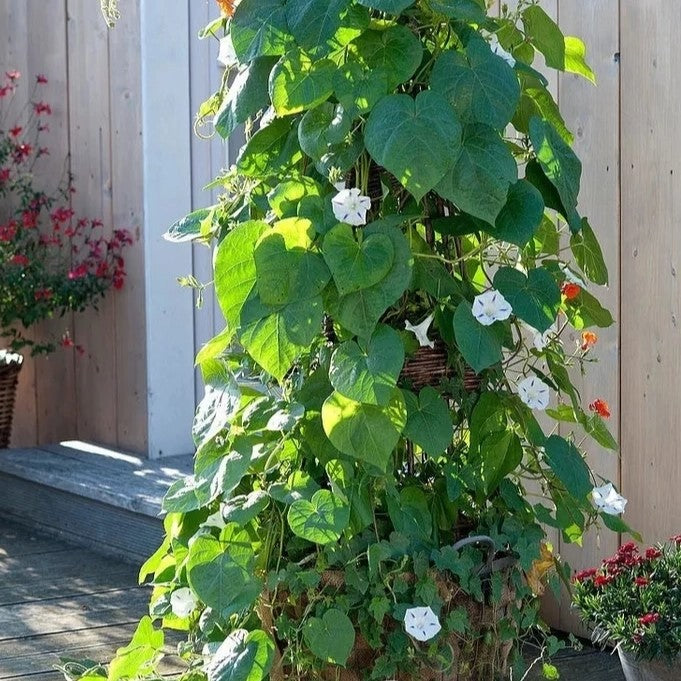
Morning Glory ‘Milky Way’ is a stunning climbing annual with vibrant, trumpet-shaped flowers in deep blue with white star-like centers. Fast-growing and vigorous, it’s perfect for trellises, fences, and arbors, creating a breathtaking vertical display. Loved by pollinators, it also makes a striking addition to cottage gardens and ornamental plantings.
Why Grow Morning Glory ‘Milky Way’?
-
Striking blue flowers with white star-like centers
-
Vigorous climber, fast-growing and long-flowering
-
Attracts bees and hummingbirds
-
Ideal for vertical garden displays
Key Features
-
Type: Annual climber
-
Height: 250–300 cm
-
Flowers: Summer
-
Position: Full sun
-
Soil: Well-drained, fertile
Ideal For
-
Trellises, fences, and arbors
-
Cottage and ornamental gardens
-
Pollinator-friendly spaces
-
Quick vertical coverage and decorative screens
Sowing & Growing
-
Sow indoors: March–April in pots or trays
-
Sow outdoors: After last frost directly in prepared soil
-
Germination: 7–14 days at 20°C
-
Support: Provide trellis or fence for climbing
-
Care: Water regularly; trim for shape and extended flowering

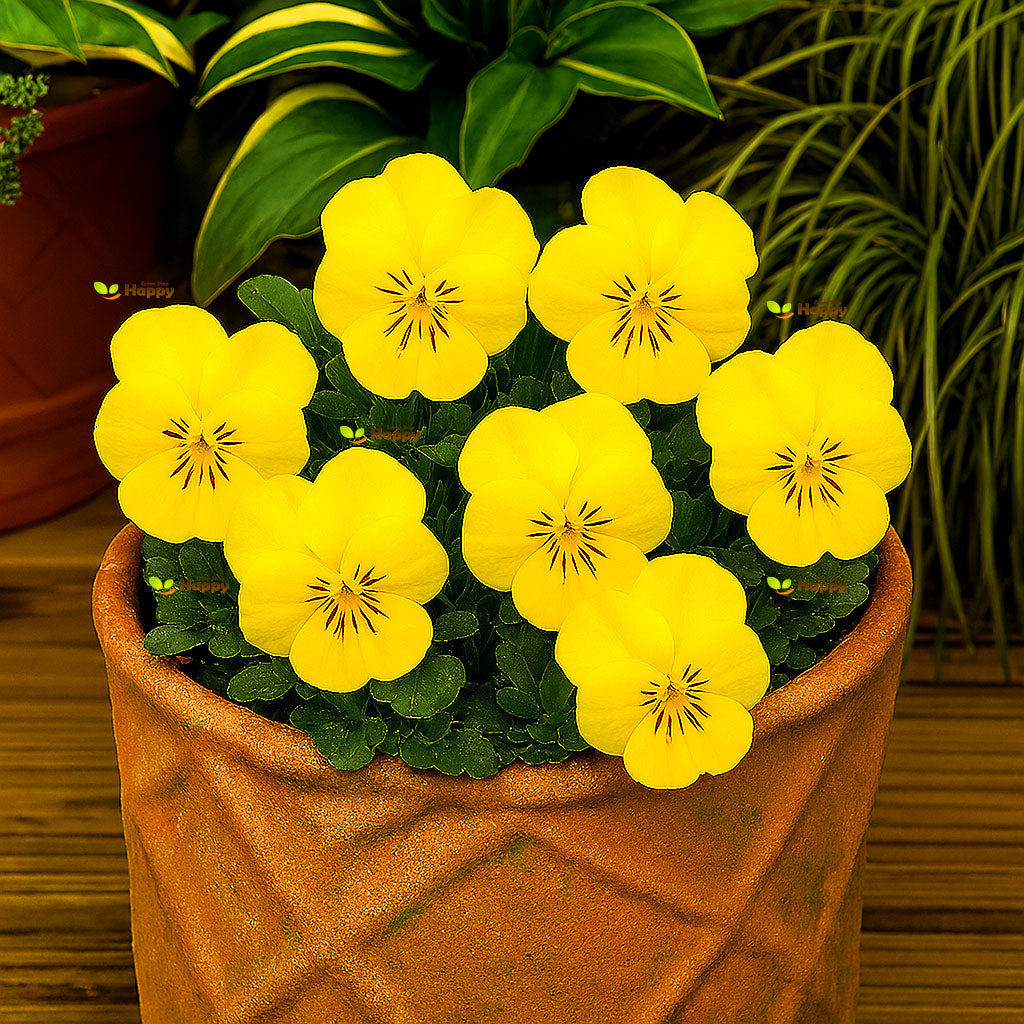
Horned Pansy 'Prince John' Seeds (Viola cornuta)
The Horned Pansy 'Prince John' is a delightful heirloom variety of Viola cornuta, loved for its charming golden-yellow blooms with subtle shading. Compact and long-flowering, it’s ideal for brightening up borders, containers, and rock gardens with a cheerful splash of sunshine. Hardy and easy to grow, it also attracts pollinators to the garden.
What Makes It Special
-
Distinctive golden-yellow flowers
-
Hardy perennial (often grown as a biennial)
-
Perfect for naturalizing or cottage-style gardens
Key Features
-
Botanical name: Viola cornuta
-
Perennial (treated as biennial in some climates)
-
Height: 15–20 cm
-
Spread: 20–25 cm
-
Flowering: May–September
Ideal For
-
Cottage gardens and naturalized plantings
-
Borders, pots, and rockeries
-
Long-lasting displays from spring to autumn
Sowing
-
Sow indoors: February–April, cover lightly with compost
-
Germination: 10–21 days at 15–20°C
-
Transplant outdoors: after last frost, 20 cm apart
-
Prefers sun to partial shade and moist, well-drained soil
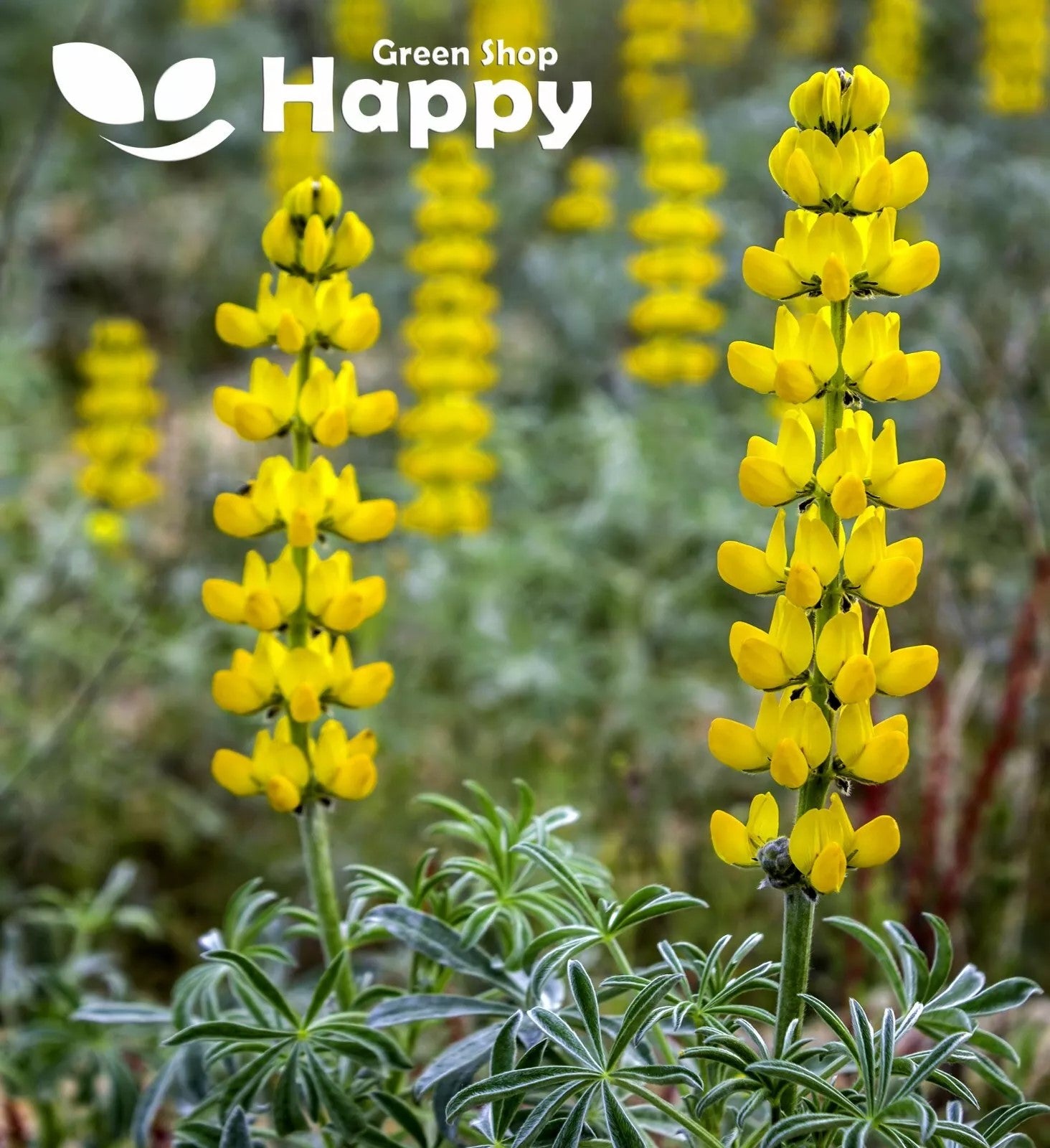
Golden Yellow Lupine Seeds (Lupinus luteus)
Golden Yellow Lupine produces tall, striking spires of bright yellow pea-like flowers above lush green foliage. Hardy and fast-growing, it adds vertical interest and vibrant color to borders, cottage gardens, and wildflower meadows. Loved by bees and other pollinators, it also fixes nitrogen in the soil, improving garden fertility naturally.
What Makes It Special
-
Brilliant yellow flower spikes for dramatic garden color
-
Hardy, easy-to-grow perennial that attracts pollinators
-
Improves soil fertility through nitrogen fixation
Key Features
-
Botanical name: Lupinus luteus
-
Hardy annual or short-lived perennial
-
Height: 80–120 cm (32–48 in)
-
Bloom time: Early to mid-summer
Ideal For
-
Cottage gardens, perennial borders, and wildflower meadows
-
Pollinator-friendly plantings
-
Adding vertical interest and vibrant yellow color
Sowing
-
Sow indoors Mar–Apr or outdoors Apr–Jun
-
Nick or scarify seeds and soak overnight for faster germination
-
Cover lightly with soil and keep moist
-
Germination: 14–30 days at 15–20°C
-
Thin seedlings 30–40 cm apart
-
Flowers the first or second year
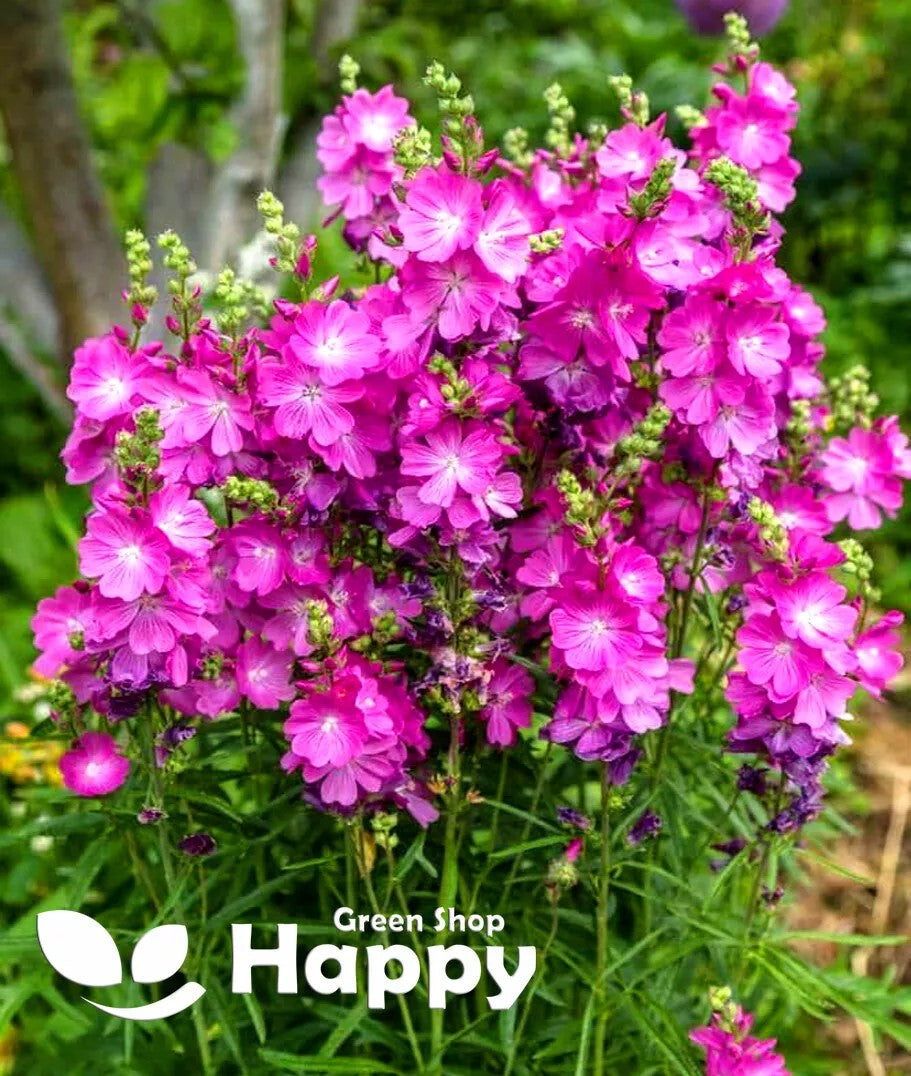
False Mallow Hybrids Seeds (Sidalcea malviflora)
False Mallow Hybrids bring a cottage-garden charm with their hollyhock-like spikes of soft pink to rose flowers. Blooming from early summer through autumn, these hardy perennials offer vertical accents and attract pollinators with ease. Compact yet striking, they are perfect for borders, wildflower plantings, and naturalistic gardens.
What Makes It Special
-
Hollyhock-like spires in soft pink shades
-
Long blooming season, summer to autumn
-
Attracts bees and butterflies
Key Features
-
Botanical name: Sidalcea malviflora
-
Hardy perennial
-
Height: 45–60 cm (18–24 in)
-
Bloom time: Early summer to autumn
Ideal For
-
Cottage and wildflower gardens
-
Borders and mixed plantings
-
Pollinator-friendly spaces
Sowing
-
Sow indoors Feb–Apr or outdoors Apr–Jun
-
Cover seeds lightly with fine soil
-
Germination: 14–21 days at 18–22°C
-
Space plants 30–40 cm apart
-
Flowers from the second year onward
Showing 225/260


