
Cottage Garden Flower Seeds

Sort by:
256 products
256 products
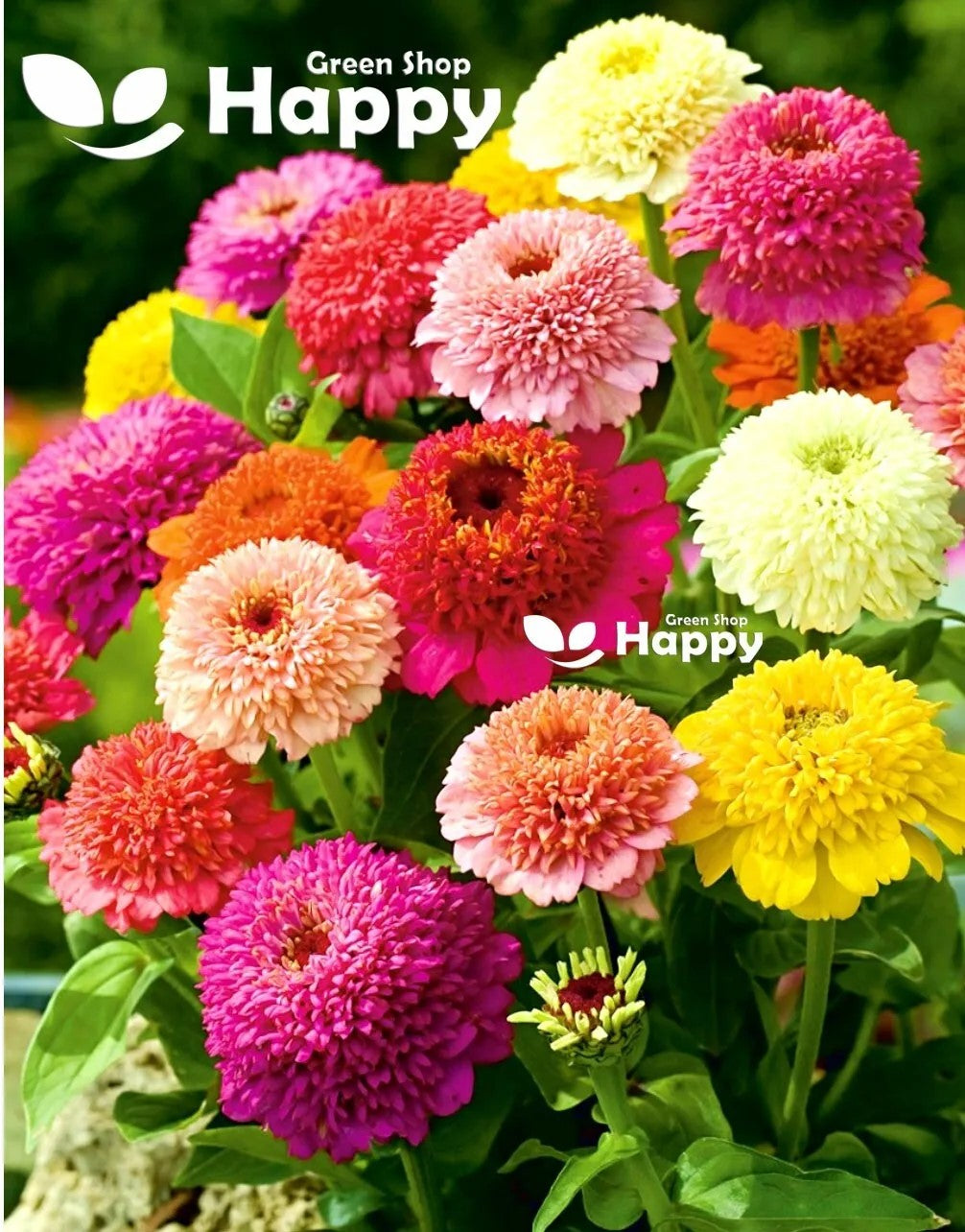
Zinnia Scabiosa Flowered Mix – Unique Textured Blooms in Vibrant Colors
Zinnia Scabiosa Flowered Mix offers a striking twist on classic zinnias, with unique pincushion-style blooms in vivid shades of pink, red, orange, yellow, and white. These eye-catching flowers add texture, color, and charm to borders, cutting gardens, and bouquets, blooming from summer right through to frost.
What Makes It Special
-
Distinctive scabiosa-style blooms for unique displays
-
Vibrant mix of bright and pastel shades
-
Long-lasting flowers perfect for cutting
-
Heat- and drought-tolerant
-
Blooms all summer until frost
Key Features
-
Height: 60–75 cm – ideal for borders and cutting gardens
-
Excellent vase life and floral texture
-
Attracts bees, butterflies, and pollinators
-
Easy to grow in sunny locations
-
Adds variety to mixed bouquets
Ideal For
-
Cutting gardens and floral arrangements
-
Mixed borders and cottage gardens
-
Pollinator-friendly spaces
-
Summer color from a unique bloom shape
Sowing
-
Sow indoors 4–6 weeks before last frost or direct sow after frost danger has passed
-
Cover seeds lightly with fine soil
-
Germination: 5–10 days at 21–24°C
-
Space plants 30–40 cm apart
-
Requires full sun and well-drained soil

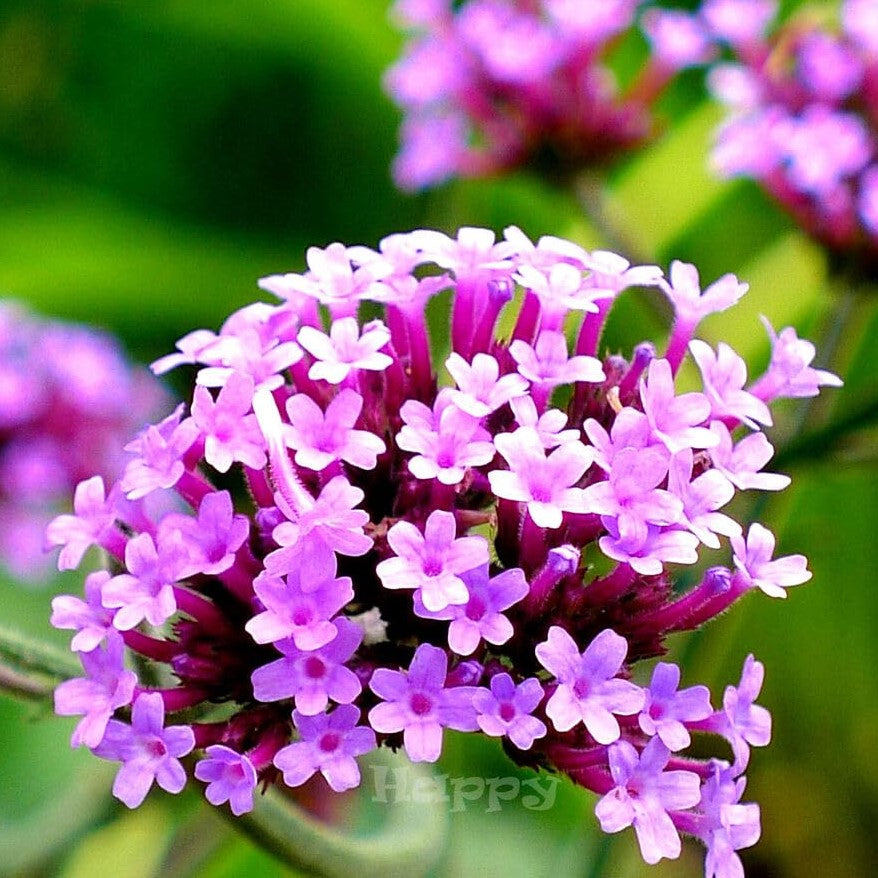

Purpletop Vervain – Seeds
(Verbena bonariensis)
Purpletop Vervain is a tall, airy perennial that produces clusters of vibrant purple flowers atop slender stems. Its long flowering period and graceful form make it ideal for borders, cottage gardens, and pollinator-friendly landscapes. Loved by butterflies and bees, it adds height, color, and elegance to any garden.
Why Grow Purpletop Vervain?
-
Clusters of vibrant purple flowers on tall stems
-
Long-flowering perennial, easy to grow
-
Attracts butterflies and bees
-
Adds height and elegance to borders and cottage gardens
Key Features
-
Type: Perennial
-
Height: 90–150 cm
-
Flowers: Summer to autumn
-
Position: Full sun
-
Soil: Well-drained, moderately fertile
Ideal For
-
Cottage and mixed borders
-
Pollinator-friendly gardens
-
Cut flowers and floral displays
-
Adding height and color to flower beds
Sowing & Growing
-
Sow indoors: February–April in seed trays
-
Sow outdoors: April–May directly in prepared soil
-
Germination: 10–20 days at 18–20°C
-
Spacing: 30–40 cm apart
-
Care: Low maintenance; deadhead to prolong flowering
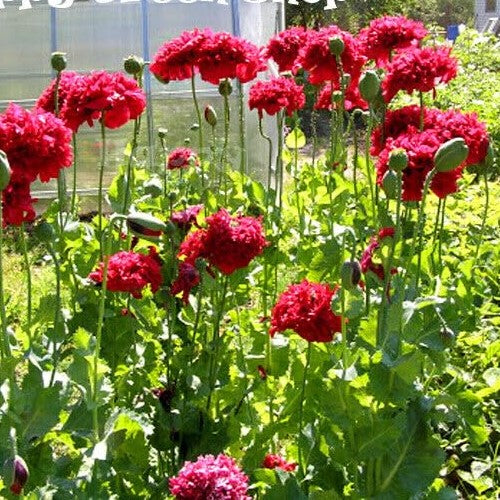
Peony Poppy Red – Seeds
(Papaver paeoniflorum)
The Peony Poppy Red is a breathtaking annual with huge, fully double, peony-like blooms in a deep, velvety crimson red. Its lush, ruffled petals make it one of the most dramatic poppies, creating a bold focal point in borders, cottage gardens, or wildflower meadows. These flowers are not only striking in the garden but also make excellent cut flowers, adding rich color to summer bouquets.
Why Grow Peony Poppy Red?
-
Stunning double flowers resembling peonies
-
Intense, velvety red blooms for dramatic displays
-
Easy to grow and self-seeding
-
Attracts bees and butterflies
Key Features
-
Type: Hardy annual
-
Height: 80–100 cm
-
Flowers: Summer
-
Position: Full sun
-
Soil: Light, well-drained
Ideal For
-
Cottage and wildflower gardens
-
Bold color accents in borders
-
Cut flower arrangements
-
Pollinator-friendly spaces
Sowing & Growing
-
Sow outdoors: March–May or late August–October directly where plants are to flower
-
Scatter thinly over prepared soil, lightly cover, and water gently
-
Germination: 14–21 days
-
Thin seedlings to 20–30 cm apart
-
Care: Deadhead to prolong flowering or leave seed heads for natural reseeding


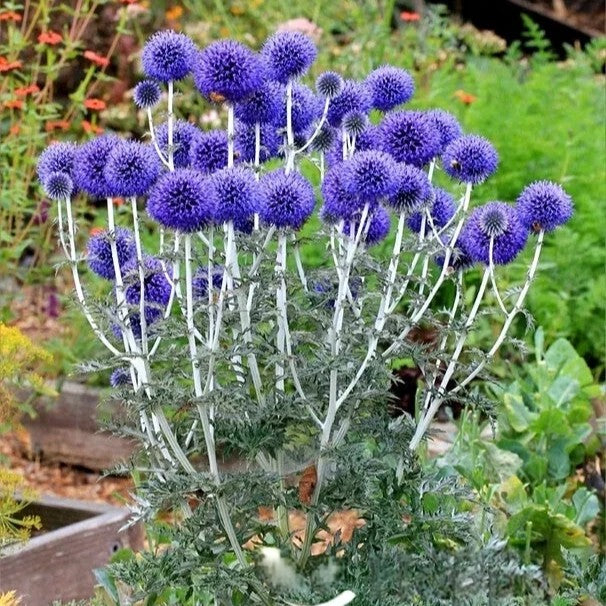
Blue Globe Thistle Seeds (Echinops ritro)
The Blue Globe Thistle is a striking perennial featuring spiky, metallic-blue globe-shaped flowers atop silvery-green foliage. Its architectural form adds drama to borders, cottage gardens, and wildflower plantings, while also serving as an excellent cut or dried flower. Hardy and drought-tolerant, it attracts bees, butterflies, and other pollinators.
What Makes It Special
-
Unique metallic-blue, spherical flower heads
-
Hardy, drought-tolerant, and long-lasting perennial
-
Excellent for fresh or dried flower arrangements
Key Features
-
Botanical name: Echinops ritro
-
Hardy perennial
-
Height: 60–90 cm (24–36 in)
-
Bloom time: Mid to late summer
Ideal For
-
Architectural accents in borders and cottage gardens
-
Wildflower and pollinator-friendly plantings
-
Fresh and dried cut flower arrangements
Sowing
-
Sow indoors Feb–Apr or outdoors May–Jun
-
Mix seeds with moist compost and refrigerate 2–4 weeks for stratification
-
Germination: 14–35 days at 18–22°C after cold treatment
-
Thin seedlings 40 cm apart
-
Flowers from the second year after sowing

Pot Marigold Dwarf ‘Sunset Buff’ – Apricot – 1,000 Seeds (Calendula officinalis)
The Dwarf Pot Marigold ‘Sunset Buff’ is a charming, compact variety producing apricot-peach blooms with soft golden undertones. Its warm pastel shades bring a unique elegance to beds, borders, and cottage gardens. Easy to grow and long-flowering, this hardy annual is also edible, with petals traditionally used to decorate salads or for natural dye.
Highlights
-
Distinctive apricot–buff blooms with golden tones
-
Compact, dwarf habit – perfect for pots and borders
-
Long flowering season from early summer to autumn
-
Attracts pollinators and beneficial insects
-
Edible petals for salads and herbal uses
Key Features
-
Botanical Name: Calendula officinalis
-
Variety: Dwarf ‘Sunset Buff’ (Apricot)
-
Seed Count: 1,000 seeds per pack
-
Height/Spread: 25–30 cm tall, compact growth
-
Position: Full sun, well-drained soil
-
Flowering Period: June – October
Perfect For
-
Bedding, borders, and cottage gardens
-
Patio pots and containers
-
Pollinator-friendly gardens
-
Edible flower displays and herbal uses
Sowing Instructions
-
Sow outdoors March–May or August–September for overwintering
-
Sow directly into soil, lightly cover seeds
-
Germination: 7–14 days
-
Thin seedlings to 20–25 cm apart
-
Deadhead regularly for prolonged flowering
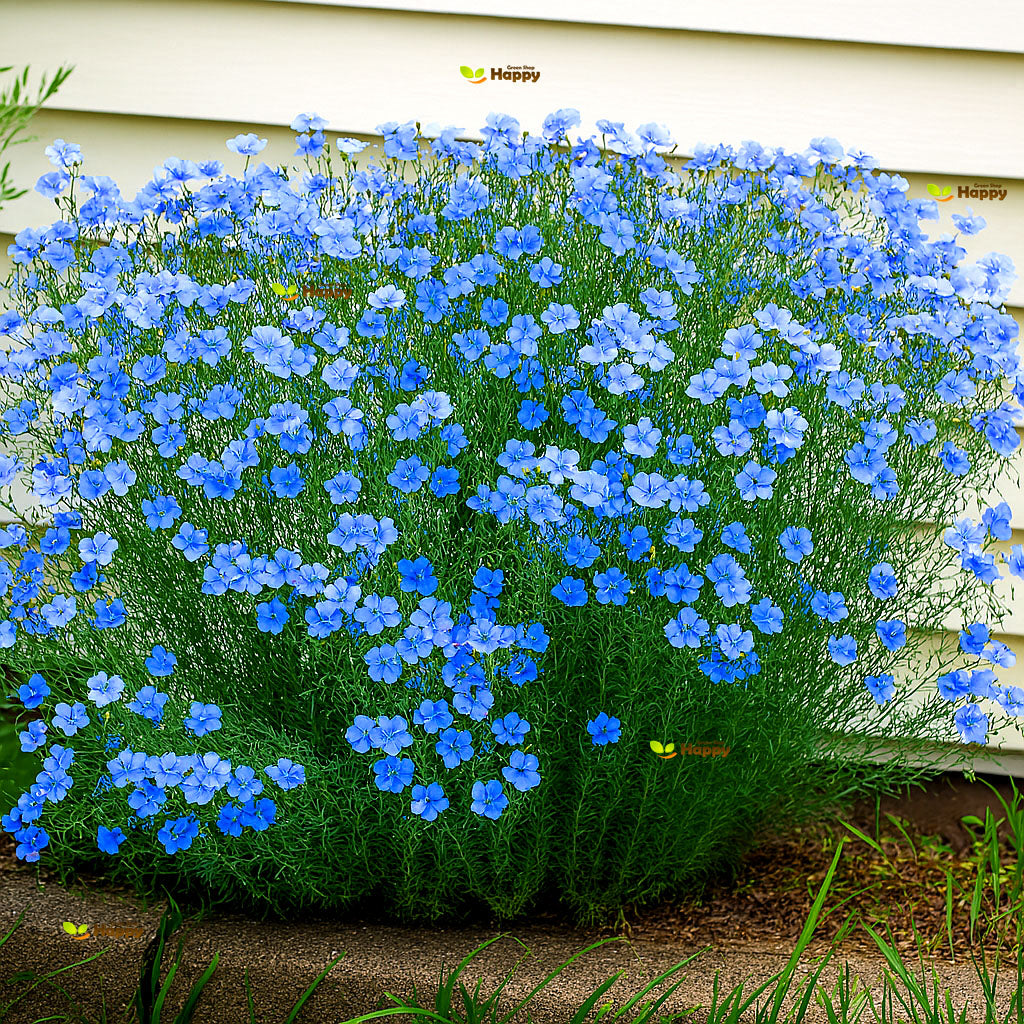
Blue Flax Seeds (Linum perenne)
Delicate yet resilient, Blue Flax produces graceful sky-blue flowers on slender stems that sway gently in the breeze. Blooming over a long season, this hardy perennial is perfect for naturalistic plantings, wildflower meadows, and cottage gardens. Easy to grow and pollinator-friendly.
What Makes It Special
-
Masses of sky-blue, airy flowers
-
Hardy, drought-tolerant, and low-maintenance
-
Long flowering season and pollinator-friendly
Key Features
-
Botanical name: Linum perenne
-
Hardy perennial
-
Height: 30–60 cm (12–24 in)
-
Bloom time: Late spring to summer
Ideal For
-
Wildflower meadows and naturalized plantings
-
Cottage gardens and perennial borders
-
Pollinator-friendly landscapes
Sowing
-
Sow outdoors Mar–May or Aug–Sep
-
Scatter seeds and lightly cover with soil
-
Germination: 14–21 days at 15–20°C
-
Thin seedlings 20–25 cm apart
-
Flowers from the second year after sowing
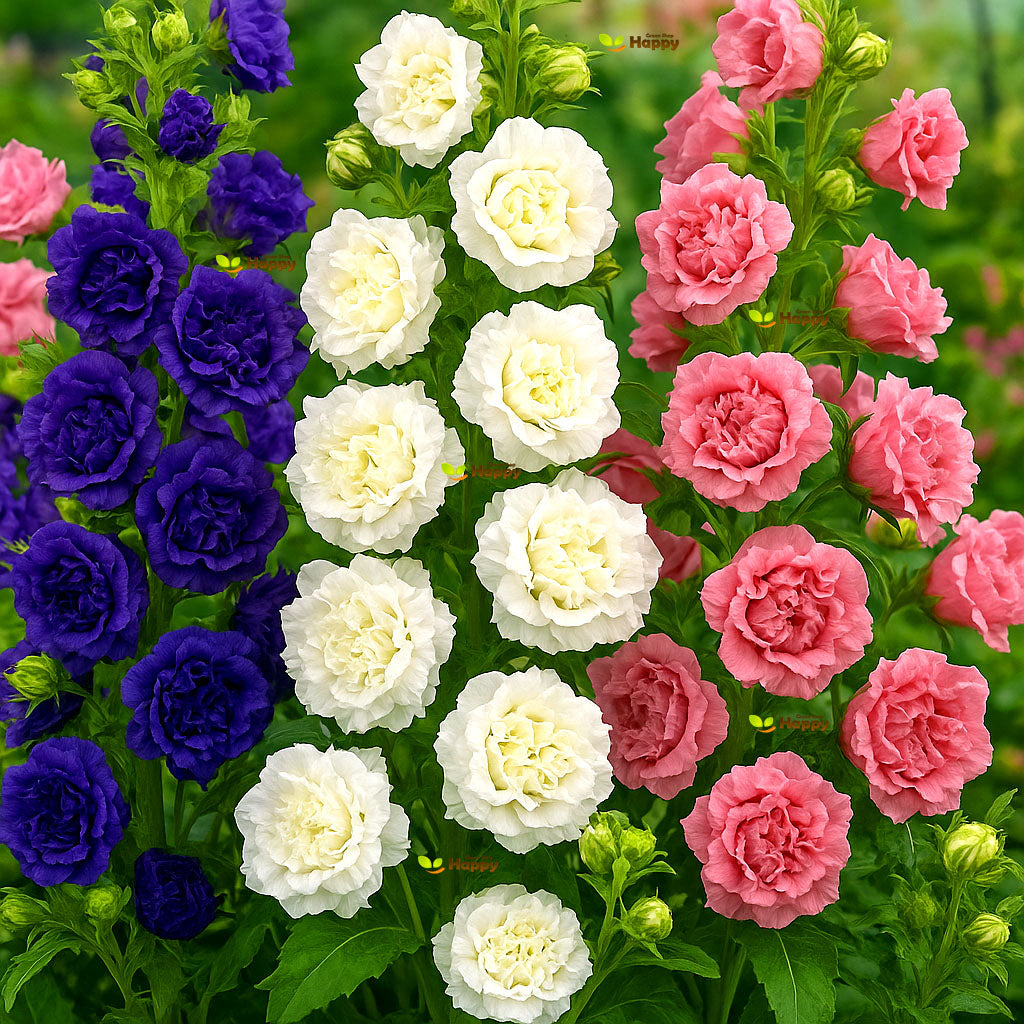
Canterbury Bells Double Mix – Seeds
(Campanula medium)
Canterbury Bells ‘Double Mix’ is a traditional cottage garden favorite, producing tall spires filled with large, fully double bell-shaped blooms. This colorful mix features shades of blue, pink, white, and lavender, bringing old-fashioned charm and elegance to borders, beds, and cutting gardens.
Why Grow Canterbury Bells Double Mix?
-
Stunning double blooms in soft pastel shades
-
Classic cottage garden plant with tall spires
-
Long-lasting cut flowers for arrangements
-
Reliable biennial, flowering the following year
Key Features
-
Type: Biennial
-
Height: 60–90 cm
-
Flowers: Early to mid-summer (second year)
-
Position: Full sun to partial shade
-
Soil: Well-drained, fertile soil
Ideal For
-
Cottage and traditional gardens
-
Flower borders and background planting
-
Cut flower arrangements
-
Pollinator-friendly spaces
Sowing & Growing
-
Sow indoors: May–July in trays of fine compost (do not cover seeds – light aids germination)
-
Germination: 14–21 days at 18–22°C
-
Transplant: Prick out seedlings and grow on before planting out in autumn
-
Care: Water regularly, deadhead faded blooms, and stake taller plants if needed

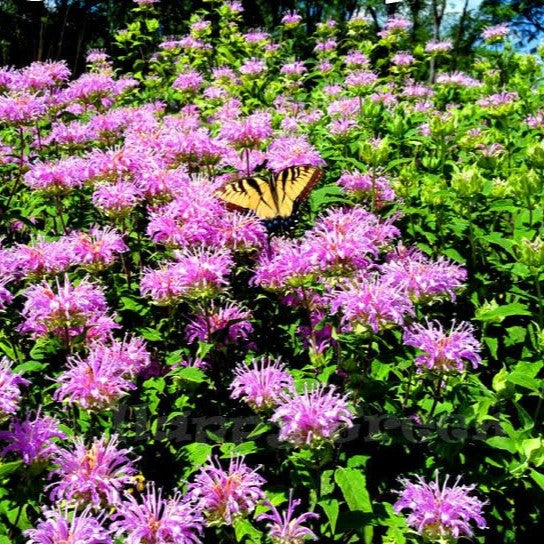
Wild Bergamot – 1,300 Seeds (Monarda fistulosa)
Wild Bergamot (Monarda fistulosa) is a hardy perennial known for its fragrant lavender-pink blooms and aromatic foliage. A favorite of pollinators, it attracts bees, butterflies, and hummingbirds, making it perfect for pollinator gardens, borders, and wildflower meadows. Easy to grow and low-maintenance, it provides long-lasting color and texture from mid-summer to early autumn.
Why Grow "Wild Bergamot"
-
Fragrant lavender-pink blooms
-
Aromatic foliage with medicinal and culinary uses
-
Attracts bees, butterflies, and hummingbirds
-
Hardy and low-maintenance perennial
Key Features
-
Type: Perennial (Monarda fistulosa)
-
Height: 60–90 cm
-
Flowering: July–September
-
Position: Full sun to partial shade
-
Uses: Pollinator gardens, borders, wildflower meadows, cottage gardens
Ideal For
-
Pollinator-friendly gardens
-
Cottage-style or naturalized borders
-
Wildflower meadows
-
Herbal and sensory gardens
Sowing & Growing
-
Sow indoors: February–April in trays
-
Sow outdoors: April–May directly in prepared soil
-
Germination: 10–20 days at 18–22°C
-
Thin seedlings to 30–40 cm apart
-
Prefers well-drained soil and full sun
-
Deadhead to encourage prolonged flowering


Cornflower Double ‘Black Ball’ – Seeds
(Centaurea cyanus)
Cornflower Double ‘Black Ball’ is an annual with striking, deep black double blooms that add bold contrast to gardens and floral arrangements. Its long flowering season and compact growth make it ideal for borders, cottage gardens, and pollinator-friendly plantings. Easy to grow and low-maintenance, it also attracts bees and butterflies.
Why Grow Cornflower Double ‘Black Ball’?
-
Striking deep black double blooms
-
Long-flowering, compact annual
-
Attracts bees and butterflies
-
Ideal for borders and cut flowers
Key Features
-
Type: Annual
-
Height: 40–50 cm
-
Flowers: Summer
-
Position: Full sun
-
Soil: Well-drained, moderately fertile
Ideal For
-
Borders, cottage gardens, and mixed beds
-
Pollinator-friendly gardens
-
Cutting for floral arrangements
-
Adding bold, dark contrast to plantings
Sowing & Growing
-
Sow indoors: February–April in seed trays
-
Sow outdoors: April–May directly in prepared soil
-
Germination: 10–20 days at 18–20°C
-
Spacing: 20–25 cm apart
-
Care: Moderate watering; deadhead to prolong flowering
Showing 27/256


