
Cottage Garden Flower Seeds

Sort by:
260 products
260 products
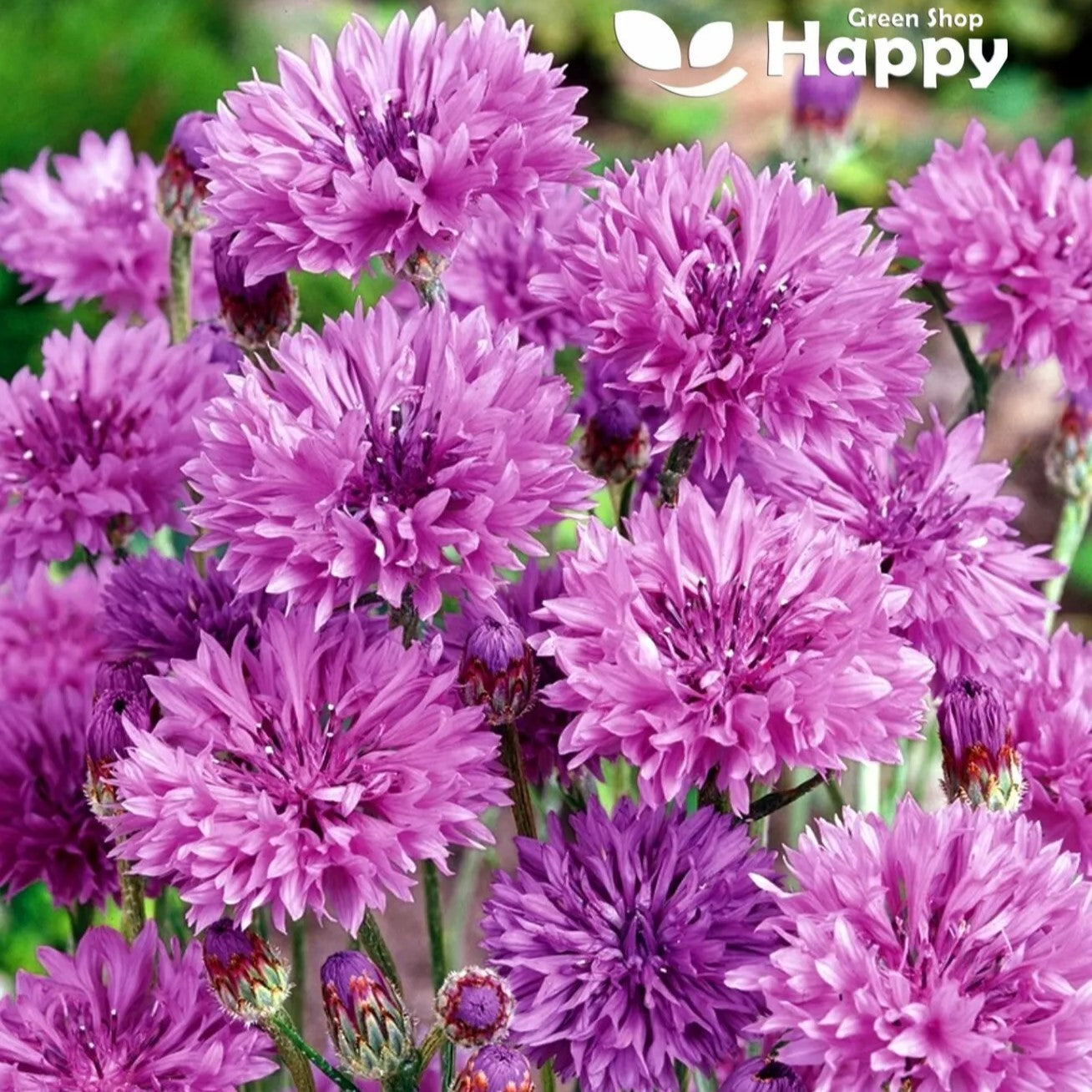
Cornflower ‘Bachelor’s Button Mauve’ Seeds (Centaurea cyanus)
Add timeless charm to your garden with Cornflower ‘Bachelor’s Button Mauve’ (Centaurea cyanus). This annual produces elegant mauve-blue flowers with a delicate, fringed appearance, creating a classic cottage garden feel. Easy to grow and long-flowering, it’s perfect for borders, meadows, and cut flower arrangements, while also attracting pollinators.
How to Grow
-
Sow directly outdoors in spring or autumn.
-
Use well-drained soil in a sunny location.
-
Scatter seeds thinly and cover lightly with soil.
-
Keep soil moist until germination (7–14 days).
-
Thin seedlings to 20–25 cm apart once established.
-
Deadhead regularly to prolong flowering and maintain plant vigor.
Key Features
-
Elegant mauve-blue, fringed blooms
-
Hardy annual, easy to grow and long-flowering
-
Ideal for borders, meadows, and cutting gardens
-
Attracts bees, butterflies, and other pollinators
-
Classic cottage garden appeal
Ideal For
-
Flower borders and cottage gardens
-
Meadow-style plantings and naturalized areas
-
Cutting gardens for fresh bouquets
-
Pollinator-friendly landscapes
Sowing
-
Best time: Spring or autumn directly outdoors
-
Germination: 7–14 days
-
Sow thinly, cover lightly, and keep soil moist
-
Prefers full sun and well-drained soil
Quick Tip
-
For a longer flowering season, sow successive batches every 2–3 weeks during spring.
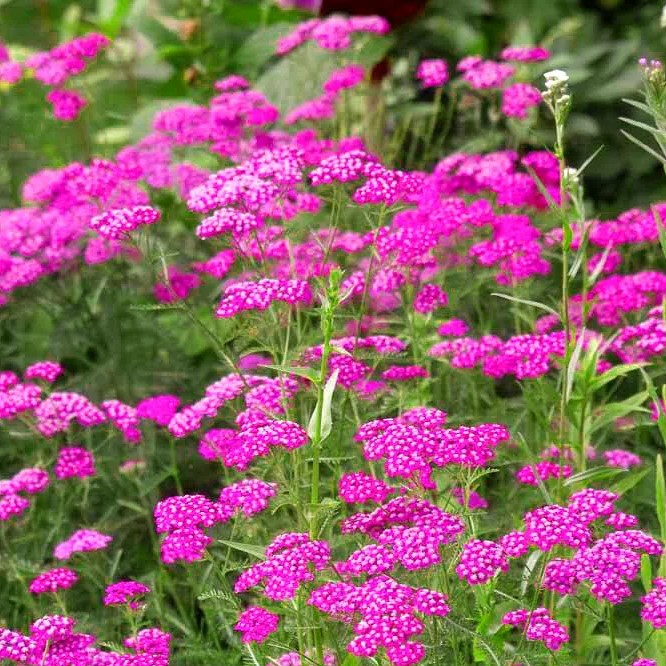
Yarrow ‘Milfoil Cerise Queen’ – Seeds (Achillea millefolium)
Yarrow ‘Milfoil Cerise Queen’ (Achillea millefolium) is a hardy perennial featuring flat-topped clusters of vibrant cerise flowers above fine, fern-like foliage. Blooming from early summer to autumn, it adds long-lasting color and texture to borders, rockeries, and wildflower gardens. Drought-tolerant, low-maintenance, and attractive to pollinators, this yarrow is ideal for sustainable gardens and mixed perennial beds.
Why Grow "Milfoil Cerise Queen"
-
Vibrant cerise, flat-topped flower clusters
-
Long flowering season from early summer to autumn
-
Hardy, drought-tolerant, and low-maintenance
-
Attracts bees, butterflies, and other pollinators
Key Features
-
Type: Perennial (Achillea millefolium)
-
Height: 40–60 cm
-
Flowering: Early summer to autumn
-
Position: Full sun
-
Uses: Borders, rockeries, wildflower gardens, pollinator-friendly beds
Ideal For
-
Adding bold color and texture to perennial borders
-
Sustainable and low-water gardens
-
Pollinator-friendly planting schemes
-
Cottage-style or naturalistic gardens
Sowing & Growing
-
Sow indoors: February–April in trays or pots
-
Sow outdoors: March–May directly in soil
-
Germination: 10–20 days at 18–22°C
-
Thin seedlings 30 cm apart
-
Prefers well-drained soil in full sun
-
Cut back spent flowers to encourage rebloom
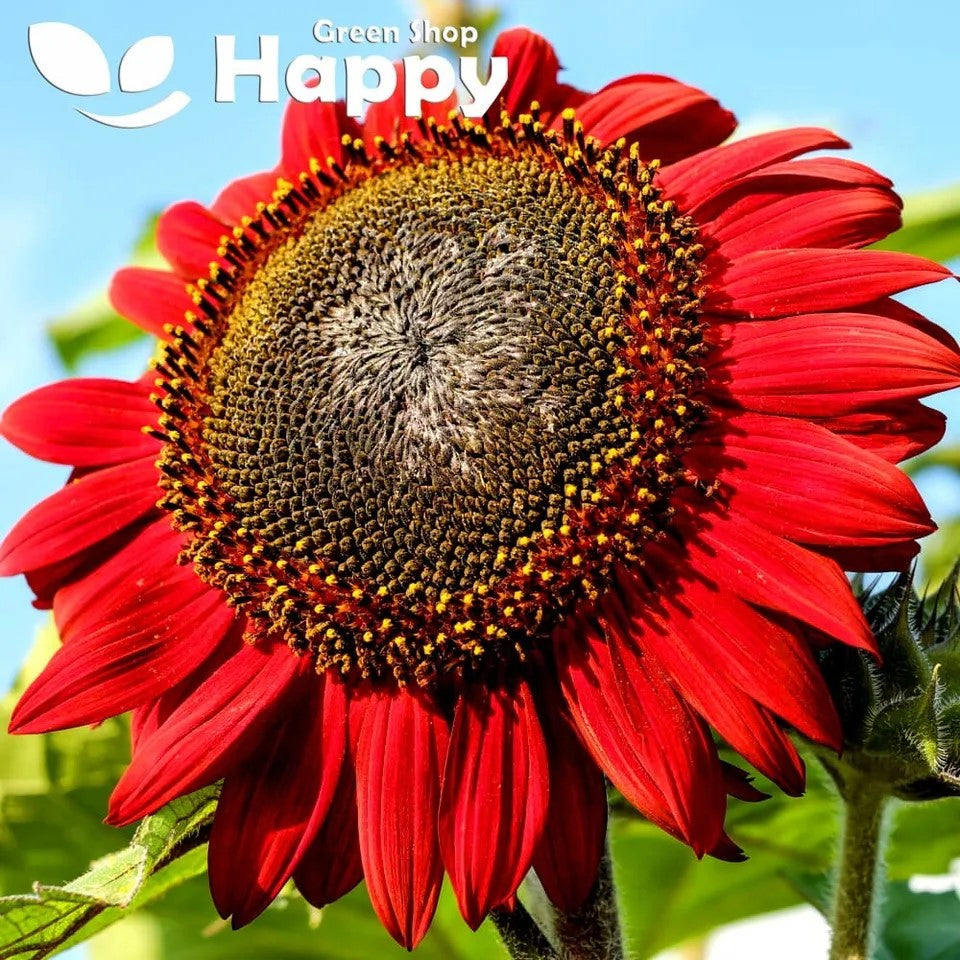
Sunflower 'Red Sun' Seeds (Helianthus annuus)
The Sunflower 'Red Sun' is a striking tall variety, producing large, fiery-red to bronze blooms with dark centers. Reaching heights of 150–180 cm, these sunflowers create a dramatic display in borders and wildlife gardens. Excellent as a cut flower and highly attractive to bees and butterflies, it brings both bold color and pollinator activity to your garden.
What Makes It Special
-
Unique deep red-bronze blooms unlike typical yellow sunflowers
-
Tall, stately plants ideal for the back of borders
-
Long-lasting cut flowers with strong stems
-
Attracts bees, butterflies, and birds
Key Features
-
Botanical name: Helianthus annuus
-
Variety: 'Red Sun'
-
Seed count: Approx. seeds per pack
-
Height/Spread: 150–180 cm tall, 40–60 cm spread
-
Position: Full sun; fertile, well-drained soil
-
Flowering period: July–September
Ideal For
-
Bold border plantings
-
Wildlife and pollinator-friendly gardens
-
Cut flower arrangements
-
Cottage gardens and tall seasonal screens
Sowing Instructions
-
When to sow: March–May indoors; April–June outdoors
-
How to sow:
-
Sow seeds 1.5 cm deep in pots or directly outdoors after frost risk has passed
-
Germination in 7–14 days at 15–20°C
-
-
Transplanting: Thin or transplant seedlings to 45 cm apart
-
Care: Provide support in windy areas; water during dry spells.

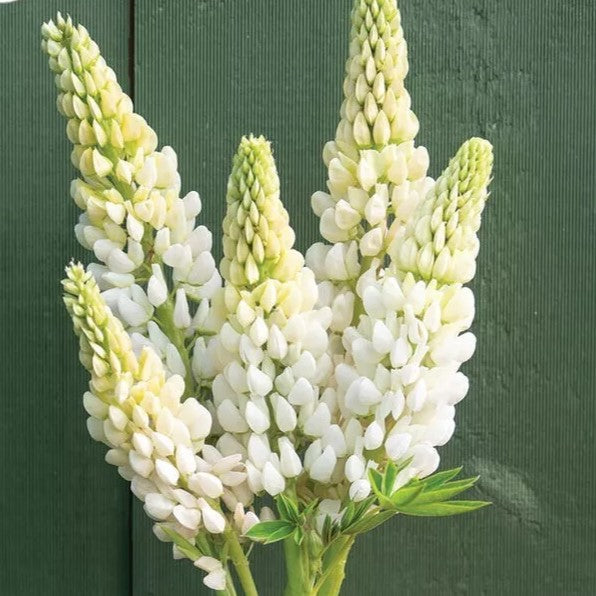
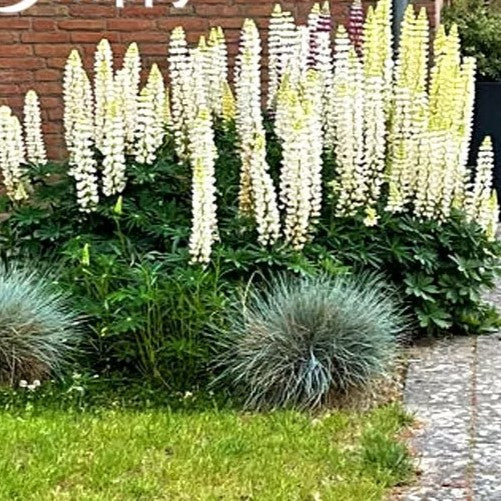
Russell Lupin ‘Noble Maiden’ Seeds (Lupinus polyphyllus)
Add striking elegance to your garden with Russell Lupin ‘Noble Maiden’ (Lupinus polyphyllus). This hardy perennial produces tall spires of creamy white flowers rising above rich green foliage. Flowering in early to midsummer, it brings vertical drama to borders and is perfect for cottage gardens, pollinator planting, and cut flower displays.
How to Grow
-
Sow indoors in spring or autumn, or directly outdoors after frost.
-
Soak seeds in warm water overnight before sowing to improve germination.
-
Use well-drained soil in full sun or partial shade.
-
Cover seeds lightly with fine soil and keep moist until germination (14–28 days).
-
Transplant seedlings when large enough to handle, spacing 40–50 cm apart.
-
Deadhead faded blooms to encourage a second flush of flowers.
Key Features
-
Tall spires of pure creamy white blooms
-
Hardy perennial, returning year after year
-
Excellent for borders and cottage garden displays
-
Attractive to bees, butterflies, and other pollinators
-
Stunning cut flower for fresh arrangements
Ideal For
-
Cottage gardens and mixed flower borders
-
Pollinator-friendly landscapes
-
Adding vertical height and structure to plantings
-
Cut flower arrangements
Sowing
-
Best time: Spring or autumn
-
Germination: 14–28 days
-
Pre-soak seeds overnight before sowing
-
Prefers sunny, well-drained soil
Quick Tip
-
Avoid disturbing established plants—lupins prefer to stay in place and will thrive once settled.
Dwarf Cornflower double 'Polka Dot' Mix - 700 seeds (Centaurea cyanus nana)
£1.24
Unit price perDwarf Cornflower double 'Polka Dot' Mix - 700 seeds (Centaurea cyanus nana)
£1.24
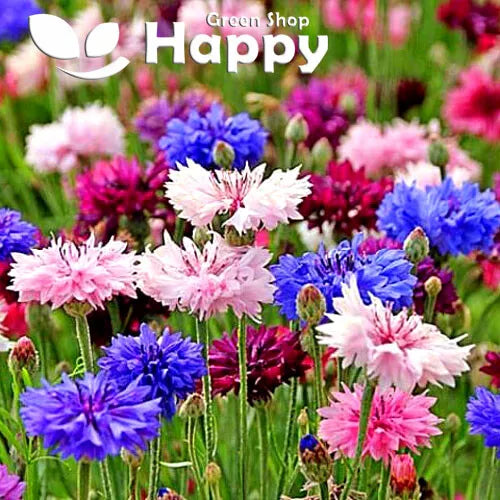
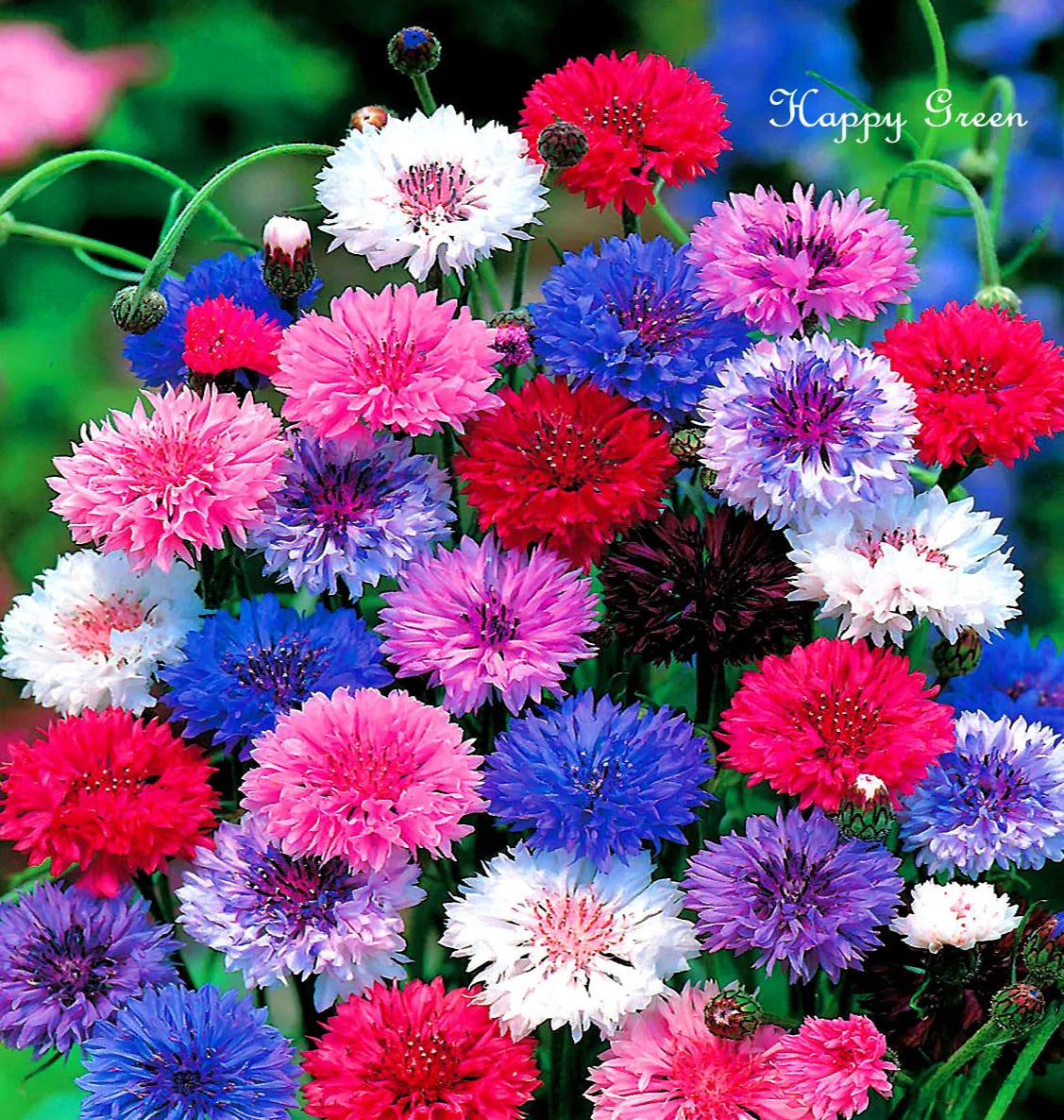
Unit price perDwarf Cornflower Double ‘Polka Dot’ Mix – Bright, Bushy & Blooming
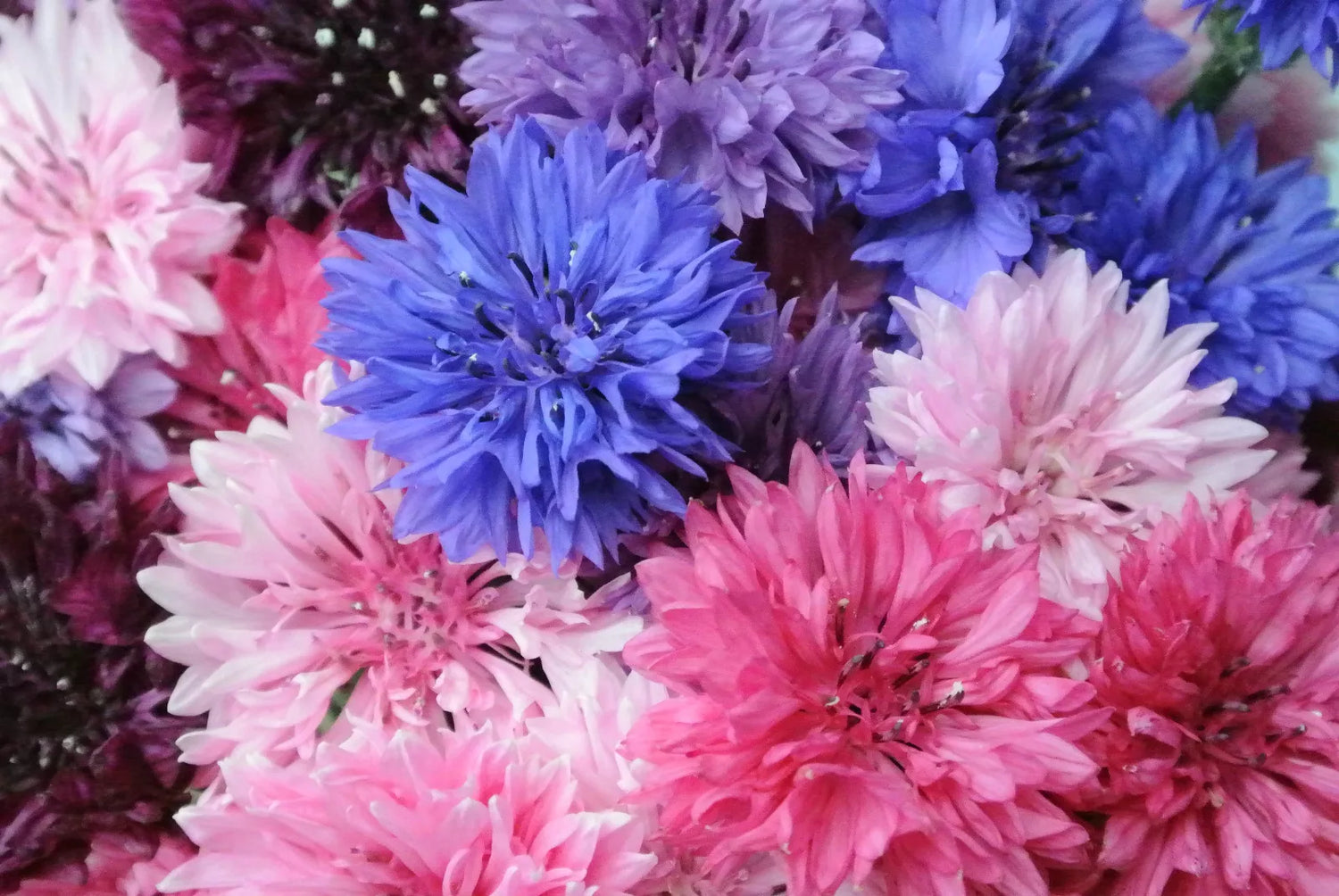
Dwarf Cornflower Double ‘Polka Dot’ Mix produces masses of cheerful, fully double blooms in a rainbow of blues, pinks, purples, and whites. With a compact, bushy habit, these hardy annuals are perfect for edging, containers, and small spaces while still delivering the charm of traditional cornflowers. Long-lasting as cut flowers and adored by pollinators, they’re a colorful, easy-care choice for any garden.
What Makes It Special
-
Fully double blooms in a playful mix of colors
-
Compact height – ideal for small gardens and pots
-
Long flowering season and pollinator-friendly
-
Excellent for cut flowers despite shorter stems
-
Easy to grow from seed
Key Features
-
Height: 30–40 cm – dwarf, bushy habit
-
Hardy annual – tolerates cooler climates
-
Vibrant and varied color mix
-
Attracts bees and butterflies
-
Suitable for edging and mass planting
Ideal For
-
Borders, edging, and path sides
-
Containers, pots, and window boxes
-
Cottage and wildlife-friendly gardens
-
Low-maintenance, long-lasting summer displays
Sowing
-
Direct sow in early spring or autumn for best results
-
Lightly cover seeds with fine soil
-
Germination: 7–14 days at 15–18°C
-
Thin seedlings to 20–25 cm apart
-
Prefers full sun and well-drained soil
Alpine Forget-Me-Not Mix Seeds (Myosotis alpestris)
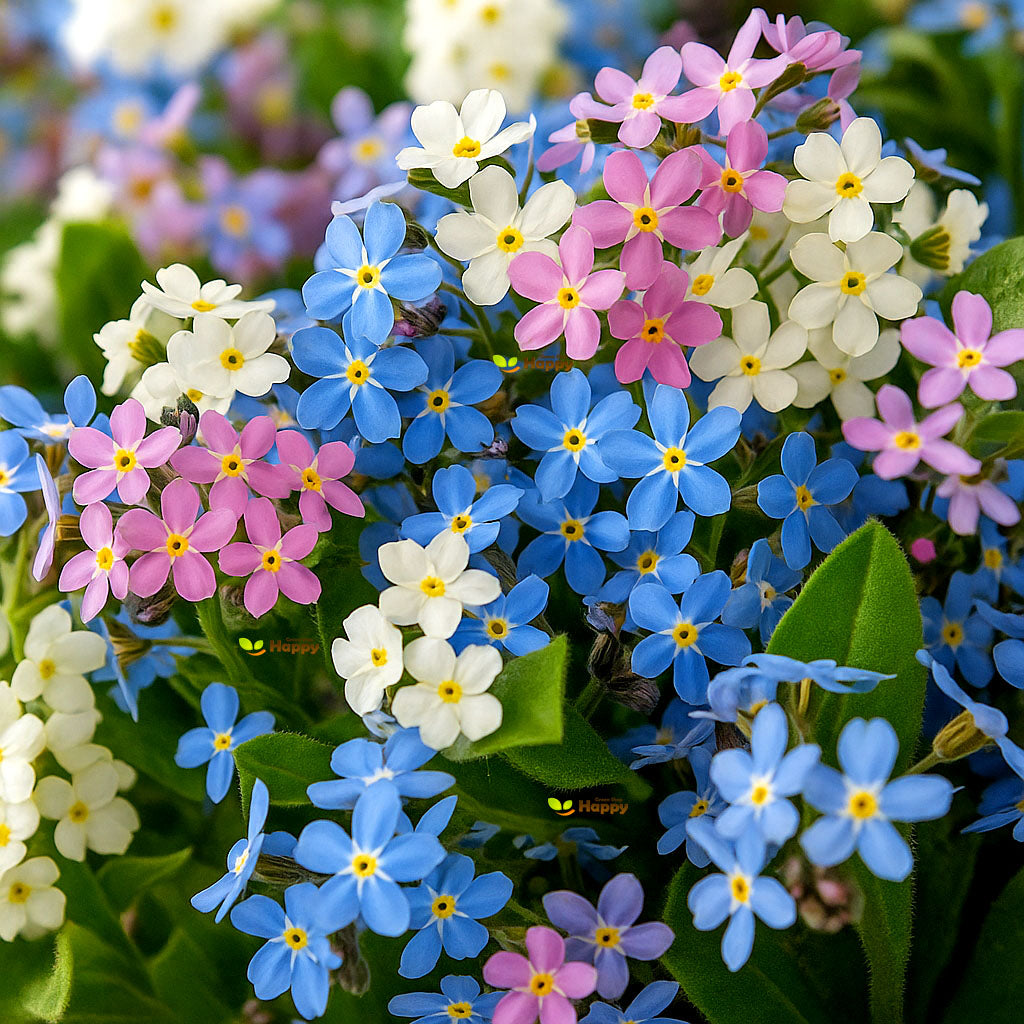
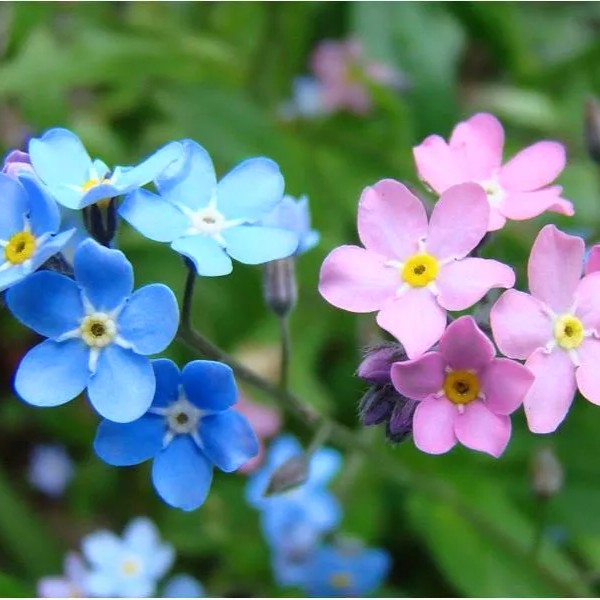
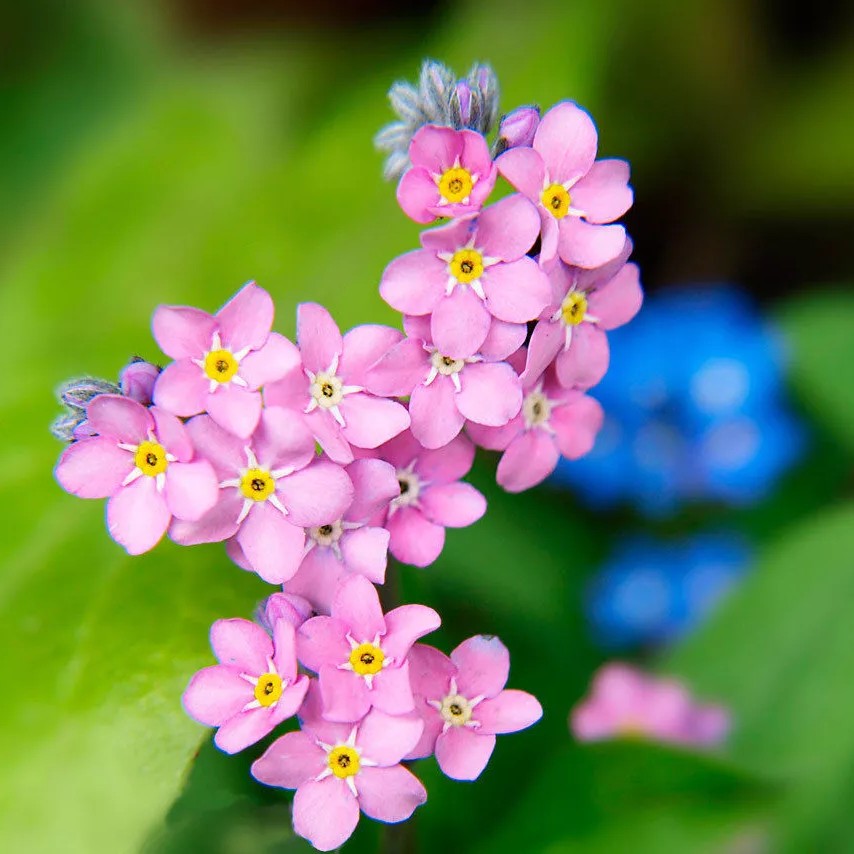
The Alpine Forget-Me-Not Mix is a charming, low-growing perennial that produces masses of tiny star-shaped flowers in soft shades of blue, pink, and white. Known for their delicate beauty and sentimental symbolism, forget-me-nots are perfect for naturalizing in borders, rock gardens, and wildflower meadows. These compact plants are especially suited for alpine and cottage garden settings, where they create a cheerful carpet of spring color.
What Makes It Special
-
Beloved for their dainty flowers and long-lasting symbolism of remembrance
-
Compact, low-growing plants ideal for rock gardens and alpine beds
-
Early-season blooms bring vibrant color to spring gardens
-
Excellent for naturalizing and combining with tulips or daffodils
Key Features
-
Botanical name: Myosotis alpestris
-
Variety: Alpine Mix
-
Height/Spread: 15–25 cm tall, 15–20 cm spread
-
Position: Full sun to partial shade; thrives in moist, well-drained soil
-
Flowering period: Spring to early summer
-
Lifespan: Hardy perennial (often grown as biennial in some climates)
Ideal For
-
Rock gardens and alpine beds
-
Cottage gardens and wildflower meadows
-
Spring bulb companions (daffodils, tulips)
-
Borders, edging, and naturalized plantings
Sowing Instructions
-
When to sow: Late spring to early summer (May–July) for flowers the following year.
-
How to sow:
-
Sow thinly in trays or directly in a prepared bed.
-
Cover lightly with fine soil or compost.
-
Keep soil moist until germination (1–3 weeks).
-
-
Transplant/Thin: Space plants 15–20 cm apart.
-
Care: Prefers cool, moist conditions. Allow some plants to self-seed for naturalized drifts.
Snapdragon 'Trumpet Serenade' – Seeds (Antirrhinum majus)
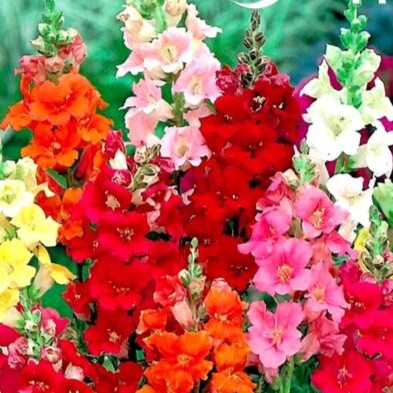
A striking variety of snapdragon with tall, trumpet-shaped blooms in a rich mix of colors. Long-flowering and versatile, 'Trumpet Serenade' adds height, structure, and vibrant color to summer borders and cutting gardens. Beloved by pollinators, it brings life and charm to any display.
Why Grow Snapdragon 'Trumpet Serenade'?
-
Showy, trumpet-like blooms in mixed colors
-
Long flowering season
-
Excellent as a cut flower
-
Attracts bees, butterflies, and pollinators
Key Features
-
Type: Half-hardy annual
-
Height: 60–75 cm
-
Flowers: Summer into early autumn
-
Position: Full sun to partial shade
-
Use: Borders, cut flowers, cottage gardens, containers
Ideal For
-
Adding vertical color to mixed borders
-
Cutting for fresh bouquets
-
Pollinator-friendly plantings
-
Cottage-style and wildlife gardens
Sowing & Growing
-
Sow indoors: February–April, lightly pressing seeds into moist compost (do not cover, needs light to germinate)
-
Germination: 10–21 days at 18–21°C
-
Transplant outdoors after frost, spacing 25 cm apart
-
Flowers: June–October
Tip: Pinch out young plants to encourage bushier growth and more blooms.
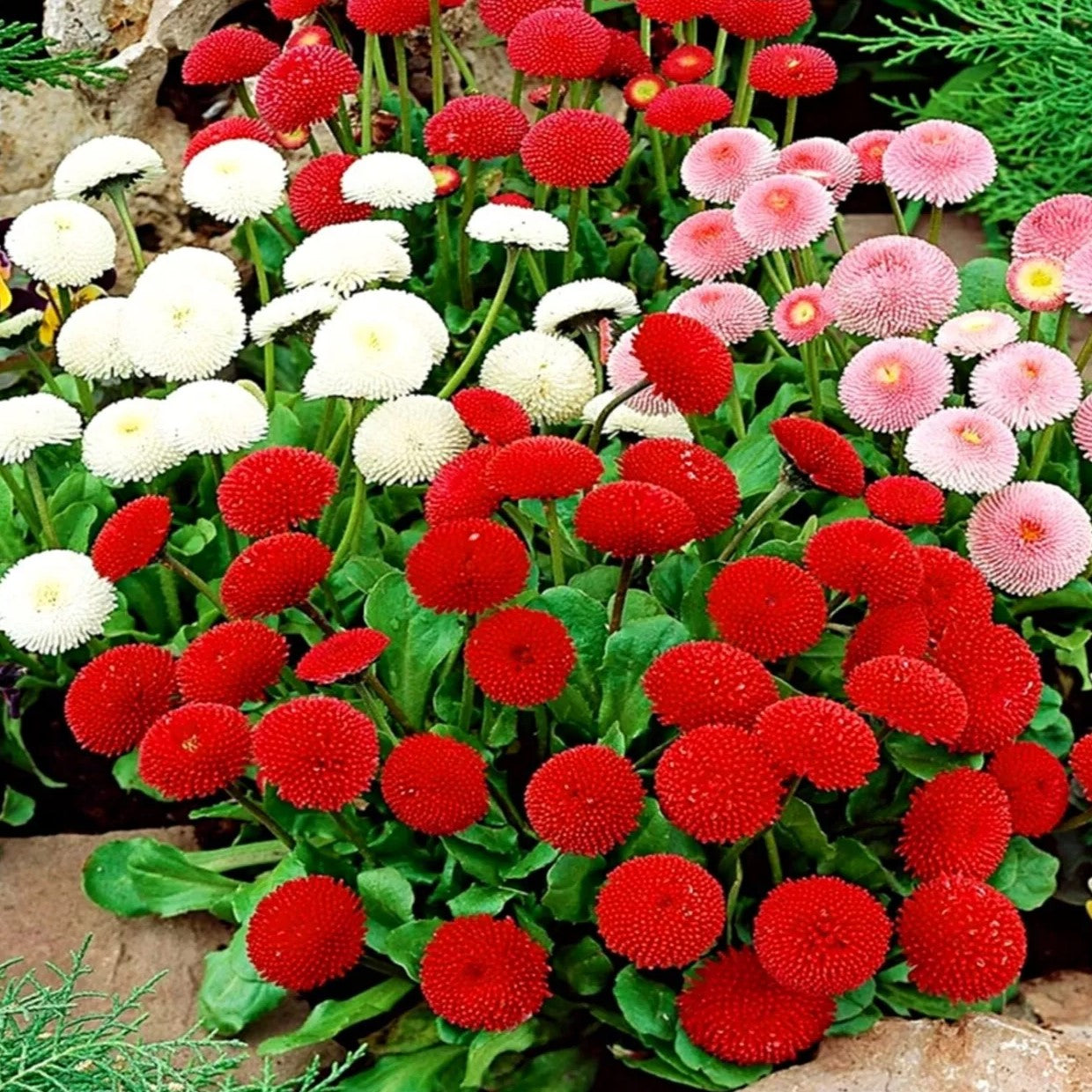
English Daisy 'Pomponette' Mixed Seeds (Bellis perennis)
The English Daisy ‘Pomponette’ is a charming cottage garden favorite, loved for its dense pompon-like blooms in shades of red, pink, and white. Compact and cheerful, these dainty flowers create vibrant color displays in borders, pots, and spring bedding schemes. Their long flowering period and old-fashioned charm make them a must-have for any traditional garden.
What Makes It Special
-
Produces unique pompon-style blooms in bright mixed colors
-
Hardy, compact, and reliable for early spring displays
-
A classic cottage garden flower with enduring charm
-
Excellent for edging, borders, and containers
Key Features
-
Botanical name: Bellis perennis
-
Variety: Pomponette Mixed
-
Height/Spread: 15–20 cm tall, 15–20 cm spread
-
Position: Full sun or partial shade; prefers moist, well-drained soil
-
Flowering period: Early spring to early summer
-
Lifespan: Perennial, often grown as a biennial
Ideal For
-
Cottage and traditional gardens
-
Spring bedding displays with tulips and primroses
-
Pots, containers, and window boxes
-
Low-growing borders and edging
-
Naturalizing in lawns or meadow-style gardens
Sowing Instructions
-
When to sow: Late spring to mid-summer (May–July) for flowering the following spring.
-
How to sow:
-
Sow thinly on the surface of moist seed compost and press lightly.
-
Do not cover, as seeds need light to germinate.
-
Keep moist at 15–20°C. Germination takes 14–28 days.
-
-
Transplant/Thin: Move seedlings to individual pots or trays when large enough. Plant outdoors 15–20 cm apart.
-
Care: Remove faded blooms to prolong flowering. Protect from harsh frost in the first year.
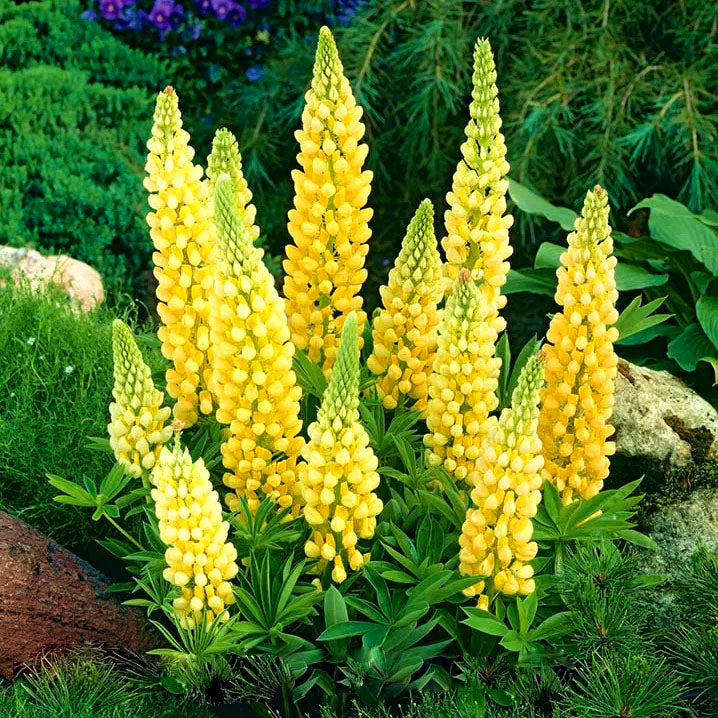
Russell Lupin ‘Chandelier’ Seeds (Lupinus polyphyllus)
Bring vertical elegance and vibrant color to your garden with Russell Lupin ‘Chandelier’ (Lupinus polyphyllus). This perennial produces tall, spire-like flower spikes in mixed shades of pink, purple, and white, adding a striking focal point to borders, cottage gardens, and cutting gardens. Hardy, long-flowering, and easy to grow, it attracts pollinators for a lively and colorful display.
How to Grow
-
Sow seeds indoors 6–8 weeks before the last frost or outdoors after frost risk has passed.
-
Use well-drained soil in full sun.
-
Soak seeds overnight to improve germination and lightly scratch the seed coat.
-
Sow seeds 1–2 cm deep and keep soil moist.
-
Thin seedlings to 30–40 cm apart to allow healthy growth.
-
Provide support for taller flower spikes if necessary and deadhead spent flowers to encourage continuous blooming.
Key Features
-
Tall, spire-like flower spikes in pink, purple, and white shades
-
Hardy perennial, long-flowering and easy to grow
-
Ideal for borders, cottage gardens, and cutting gardens
-
Attracts bees, butterflies, and other pollinators
-
Adds vertical structure and vibrant focal points to garden beds
Ideal For
-
Flower borders and cottage gardens
-
Cutting gardens for fresh bouquets
-
Pollinator-friendly garden designs
-
Adding height and structure to perennial beds
Sowing
-
Best time: 6–8 weeks before last frost indoors or after frost outdoors
-
Germination: 14–21 days
-
Sow 1–2 cm deep, soak seeds overnight for best results
-
Prefers full sun and well-drained soil
Quick Tip
-
Soaking and nicking seeds before sowing improves germination and ensures stronger seedlings.
Showing 36/260


