
Cottage Garden Flower Seeds

Sort by:
260 products
260 products
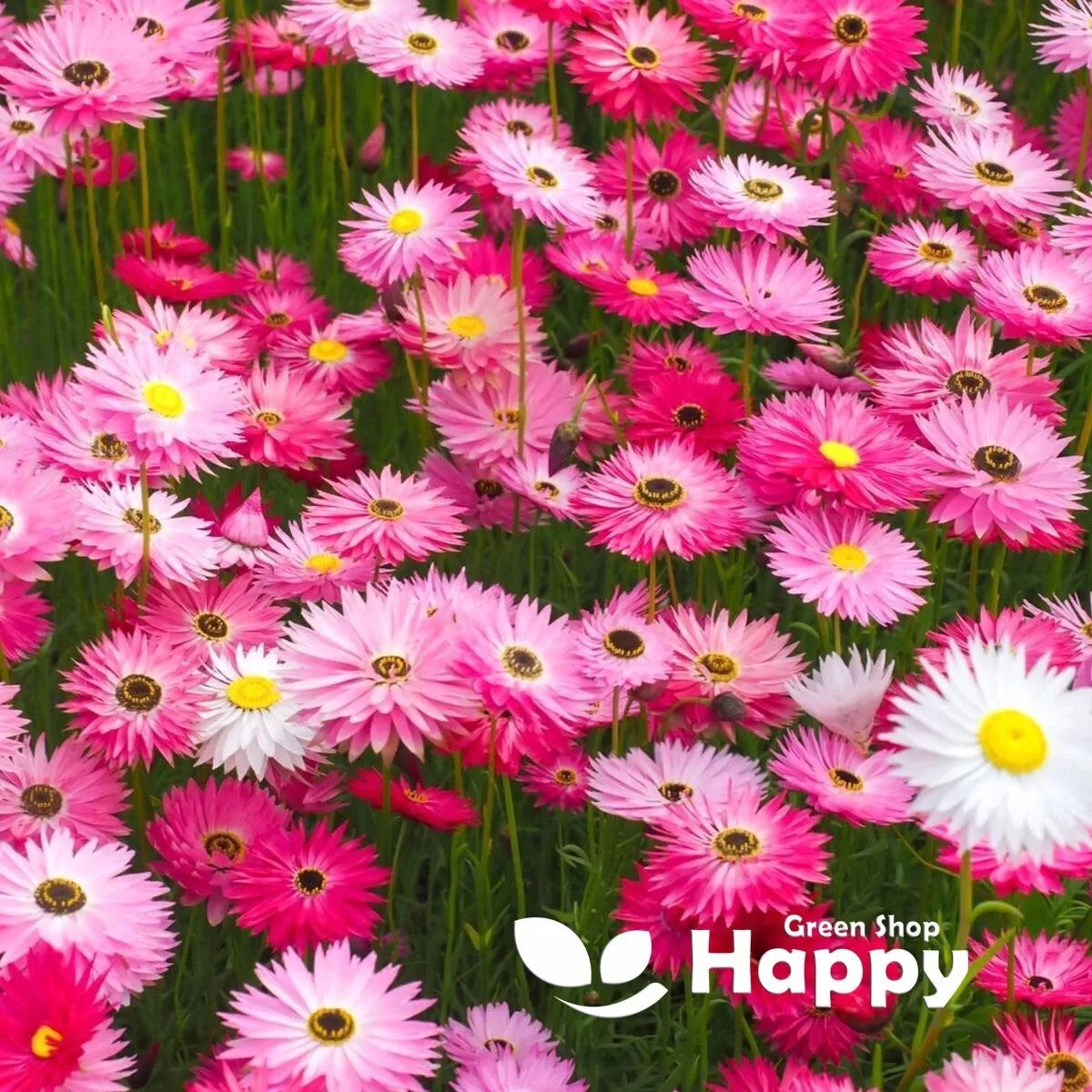
Paper Daisy Everlasting Giant-Flowered Mixture Seeds
The Paper Daisy Everlasting produces large, vibrant, daisy-like blooms that retain their color and shape when dried. This easy-to-grow annual is perfect for fresh-cut arrangements, dried flower crafts, or adding bold, long-lasting color to garden beds and borders. Its mounding habit and sturdy stems make it a versatile addition to any garden.
What Makes It Special
-
Large, colorful daisy-like blooms with excellent longevity
-
Flowers dry naturally, perfect for everlasting arrangements
-
Easy-to-grow, hardy, and low-maintenance
-
Attracts bees and butterflies while adding bold color to borders
Key Features
-
Botanical name: Helichrysum / Xerochrysum bracteatum
-
Variety: Giant-flowered mixture
-
Seed count: Approx. seeds per pack
-
Height/Spread: 40–60 cm tall, 25–35 cm spread
-
Position: Full sun; well-drained soil
-
Flowering period: June–October
Ideal For
-
Fresh-cut or dried flower arrangements
-
Borders, beds, and cottage gardens
-
Pollinator-friendly gardens
-
Container displays and floral crafts
Sowing Instructions
-
When to sow: March–May indoors; April–June outdoors
-
How to sow:
-
Sow seeds on the surface of moist seed compost and press lightly; do not cover too deeply
-
Keep at 18–22°C; germination occurs in 10–14 days
-
-
Transplanting: Prick out seedlings when large enough; plant outside after frost
-
Care: Water regularly and remove faded flowers to encourage continuous blooming
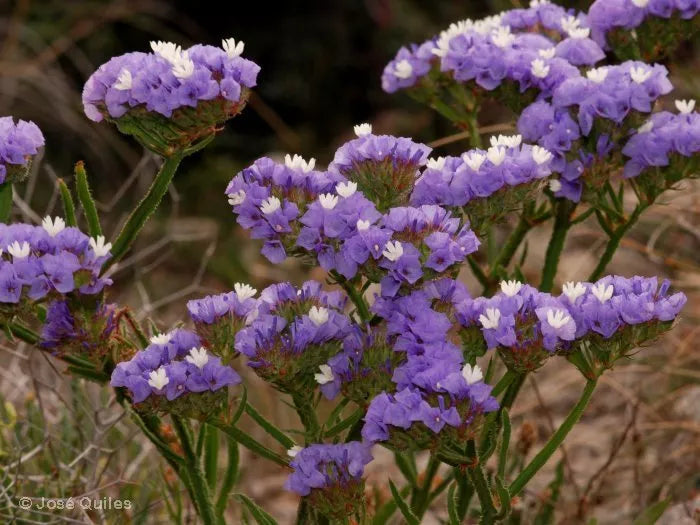
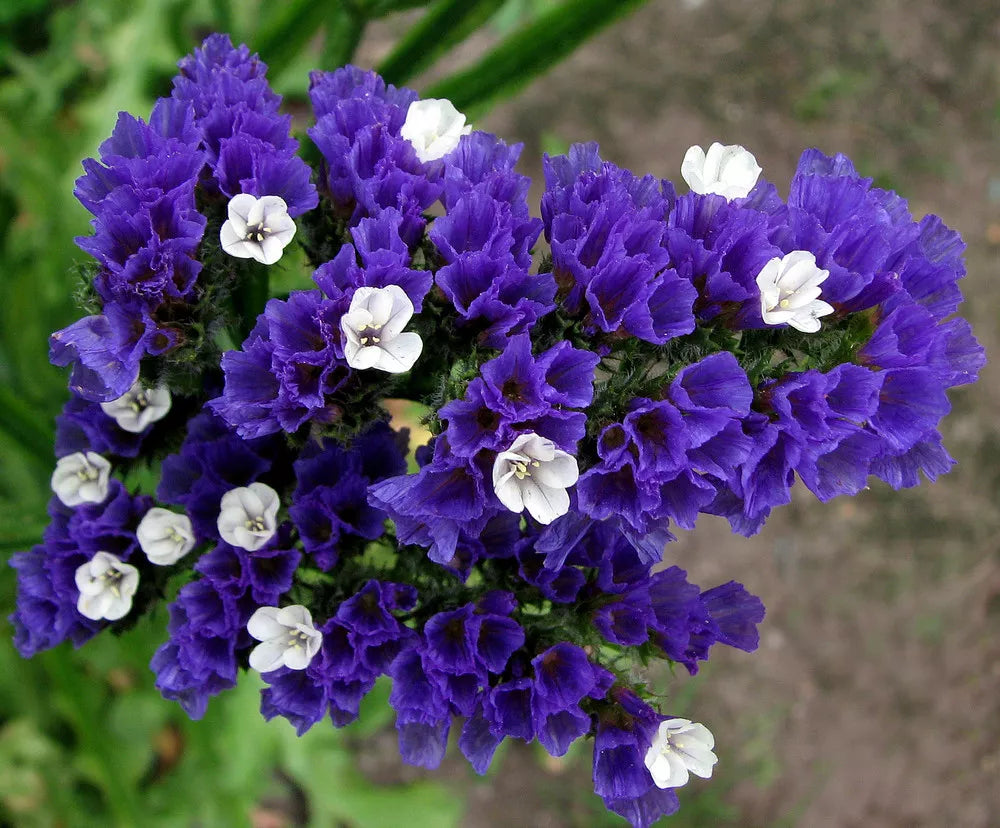
Statice Blue Seeds (Limonium sinuatum)
Statice Blue is a classic everlasting flower, cherished for its vibrant blue papery blooms that retain their color beautifully both fresh and dried. Known for its durability and striking display, this hardy annual is a favorite for cut flower gardens, dried arrangements, and border plantings. With long stems and vivid color, it adds elegance to bouquets and flower beds alike.
What Makes It Special
-
Striking deep blue blooms that hold color when dried
-
Excellent for fresh bouquets and everlasting arrangements
-
Drought-tolerant and low maintenance
-
Long-lasting cut flower with a professional florist’s touch
Key Features
-
Botanical name: Limonium sinuatum
-
Variety: Blue
-
Seed count: Approx. seeds per pack
-
Height/Spread: 60–75 cm tall, 25–30 cm spread
-
Position: Full sun; well-drained, sandy/light soil
-
Flowering period: July–September
Ideal For
-
Fresh cut and dried flower arrangements
-
Cottage gardens and summer borders
-
Drought-tolerant and coastal gardens
-
Pollinator-friendly planting schemes
Sowing Instructions
-
When to sow: February–April indoors; or outdoors after frost has passed
-
How to sow:
-
Sow on the surface of moist compost, cover lightly with vermiculite
-
Keep at 18–20°C; germination in 10–20 days
-
-
Transplanting: Prick out seedlings and grow on; plant 25–30 cm apart once frost-free
-
Care: Prefers light soil and sunny conditions; water sparingly
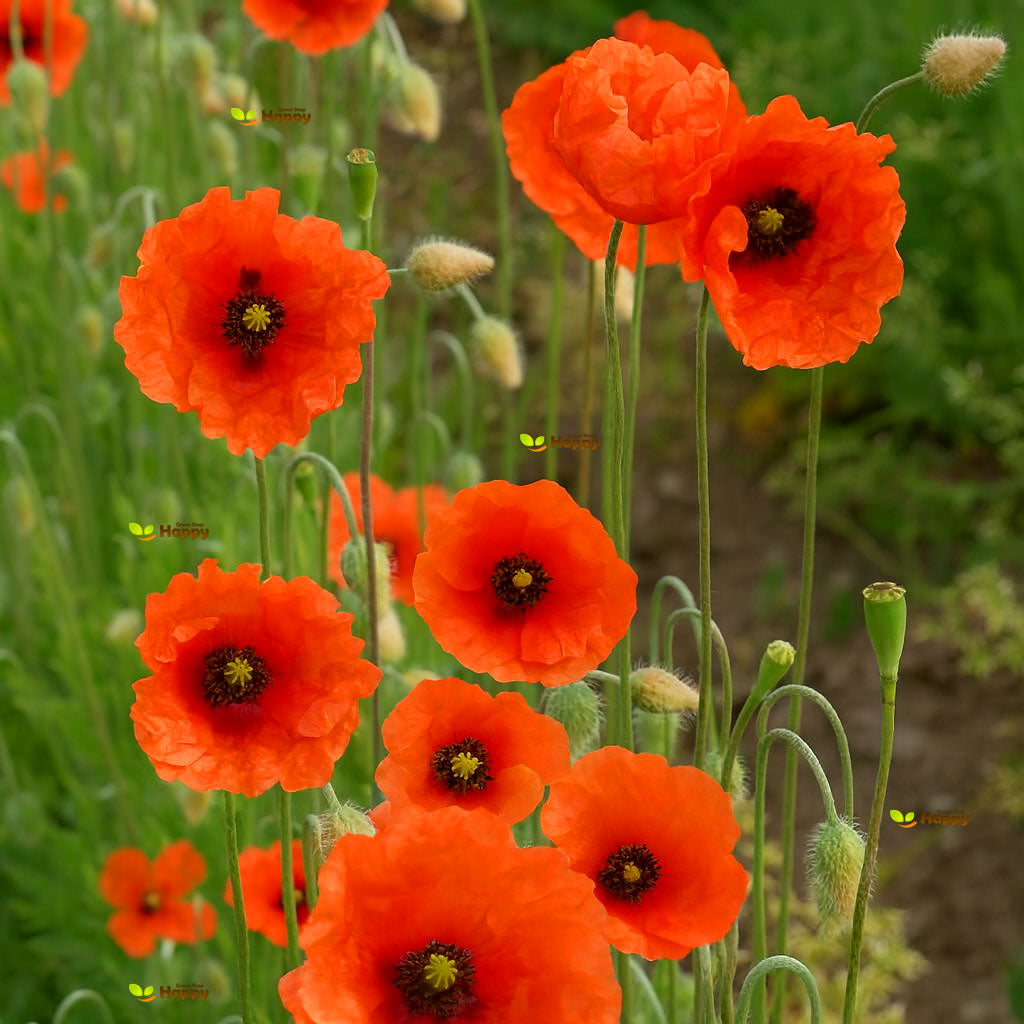
“Blindeyes” Poppy – Seeds (Papaver dobium)
Description:
Add delicate charm to your garden with “Blindeyes” Poppy (Papaver dobium). This striking annual produces elegant, cup-shaped blooms in shades of white or pale pink with a dark central “eye,” giving it its distinctive name. Perfect for borders, cottage gardens, and wildflower meadows, these poppies attract pollinators and bring a soft, whimsical touch to any garden. Easy to grow from seed and long-flowering, they are ideal for both naturalistic and formal plantings.
Key Features
-
Elegant cup-shaped blooms with a dark central “eye”
-
Annual variety, easy to grow from seed
-
Long-lasting blooms from late spring to summer
-
Attracts bees and pollinators
-
Adds delicate charm to borders and meadows
Ideal For
-
Borders and mixed flower beds
-
Cottage and wildflower gardens
-
Pollinator-friendly plantings
-
Naturalistic or whimsical garden displays
Sowing & Growing
-
Sow Outdoors: March–April
-
Germination: 7–14 days at 15–20°C
-
Height: 40–50 cm
-
Spacing: 20–25 cm apart
-
Light: Full sun
-
Soil: Well-drained, moderately fertile
Care Tips
-
Water lightly until seedlings establish
-
Deadhead faded flowers to encourage prolonged blooming
-
Avoid overwatering to prevent root rot
-
Allow some self-seeding for future seasons

Poached Egg Plant – 460 Seeds (Limnanthes douglasii)
Brighten your garden with Poached Egg Plant, featuring charming white flowers with golden centers that resemble tiny poached eggs. Ideal for borders, rock gardens, and pollinator-friendly spaces.
What Makes It Special
-
Distinctive white-and-yellow blooms
-
Compact and bushy growth habit
-
Attracts bees and beneficial insects
Key Features
-
Height: 20–30 cm
-
Full sun to partial shade
-
Annual, blooms late spring to early summer
Ideal For
-
Garden borders and rockeries
-
Pollinator-friendly gardens
-
Containers and cottage-style gardens
Sowing
-
Sow directly outdoors in spring after frost
-
Germination: 10–14 days
-
Thin seedlings to 15–20 cm apart
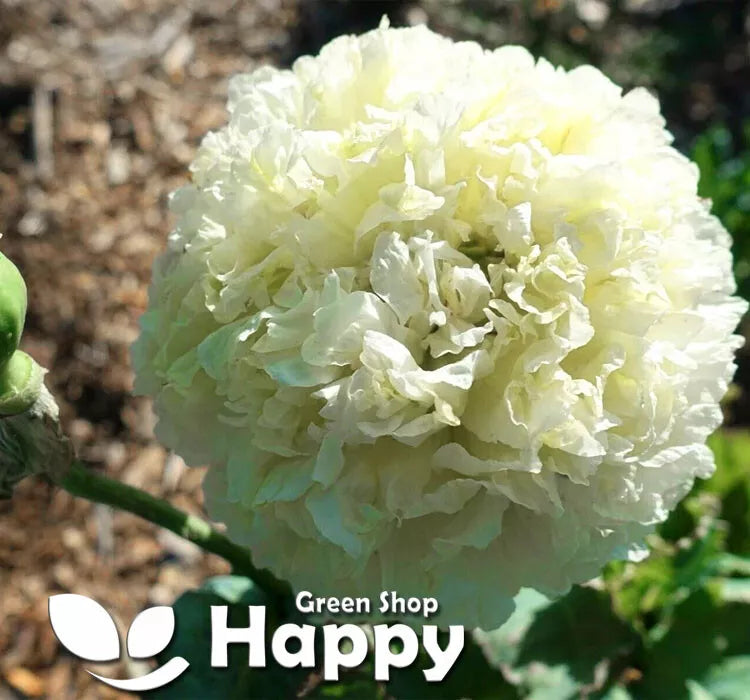
Cream Peony Poppy – Seeds
(Papaver paeoniflorum)
The Cream Peony Poppy is an elegant annual variety producing large, fully double, peony-like blooms in a soft cream shade. These striking flowers add a touch of sophistication to any garden display and make a stunning addition to borders, cottage gardens, and cut flower arrangements. Easy to grow and highly ornamental, they will bloom through summer, creating a spectacular display.
Key Features
-
Type: Hardy annual
-
Height: 80–100 cm
-
Spread: 30–40 cm
-
Flowering: June–August
-
Position: Full sun
-
Soil: Well-drained, moderately fertile
Ideal For
-
Cottage gardens and wildflower plantings
-
Cut flower arrangements
-
Adding height and drama to summer borders
-
Naturalistic planting schemes
Sowing & Growing
-
Sow outdoors: March–May or September (direct into soil)
-
Sow depth: Surface sow, lightly cover with fine soil
-
Spacing: Thin seedlings to 25–30 cm apart
-
Care: Prefers poor soil and little feeding; deadhead to prolong flowering or leave seed heads for structure
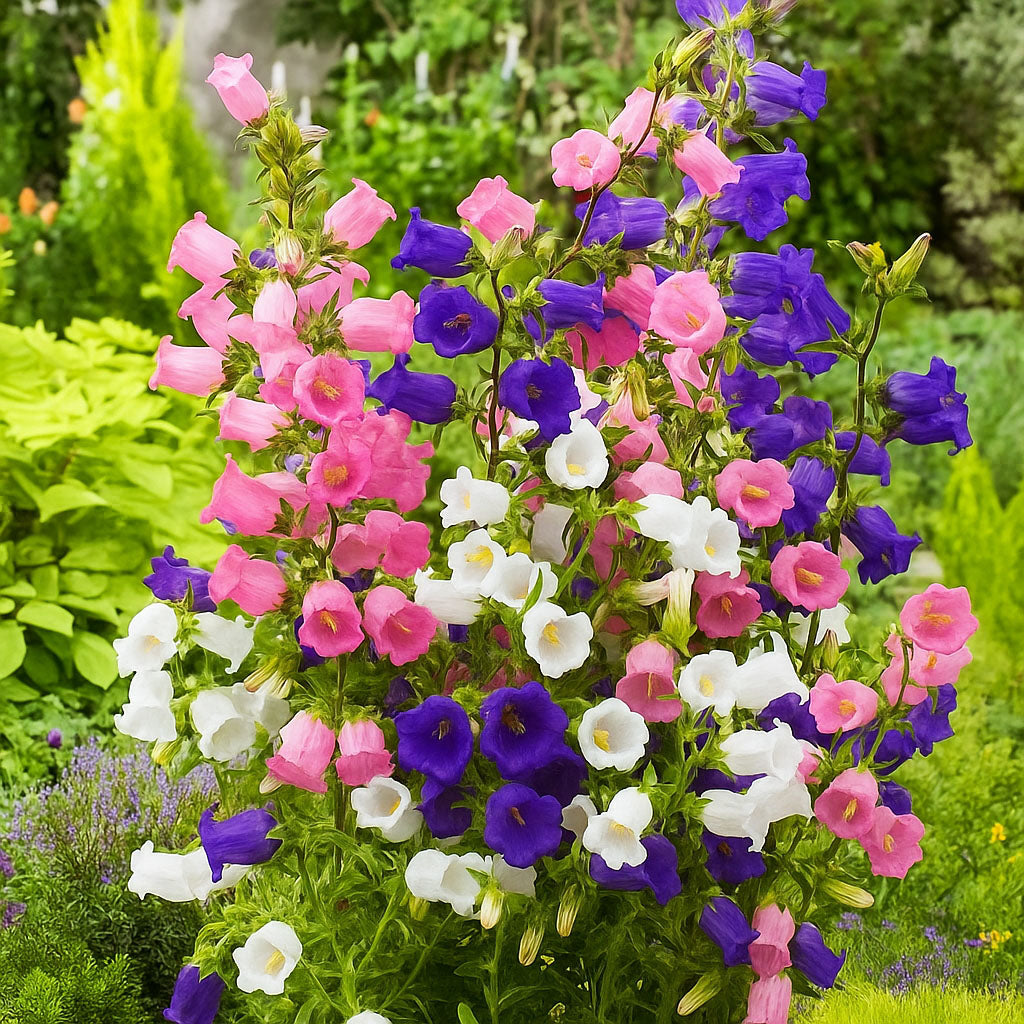
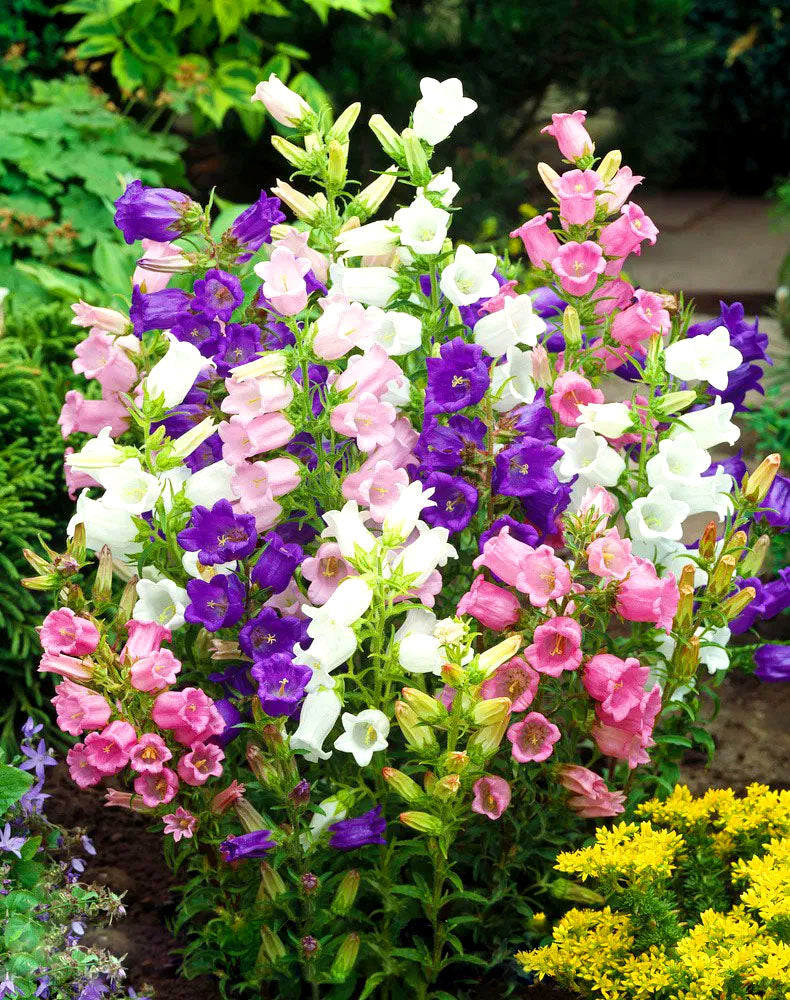
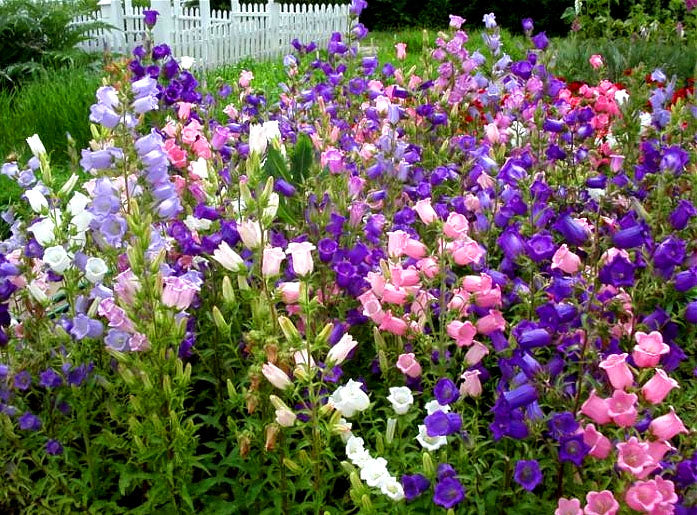
Canterbury Bells Mix Seeds (Campanula medium)
Canterbury Bells are classic biennial flowers cherished for their bell-shaped blooms in a range of vibrant colors. This mix produces tall, elegant stems covered in large, showy flowers that brighten borders, cottage gardens, and cut flower arrangements. With their long-lasting blooms and architectural form, they are perfect for adding vertical interest and charm to any garden.
What Makes It Special
-
Produces bell-shaped flowers in multiple colors
-
Tall, upright growth adds vertical structure to borders
-
Excellent for cut flowers with a long vase life
-
Biennial: flowers in the second year for a reliable display
Key Features
-
Botanical name: Campanula medium
-
Common name: Canterbury Bells
-
Seed count: Approx. seeds per pack
-
Height/Spread: 60–90 cm tall, 25–30 cm spread
-
Position: Full sun to partial shade, well-drained soil
-
Flowering period: Second year; early to mid-summer
-
Lifespan: Biennial
Ideal For
-
Borders and cottage-style gardens
-
Cut flower arrangements
-
Mixed flower beds
-
Pollinator-friendly gardens
Sowing Instructions
-
When to sow:
-
Indoors: February–March for transplanting
-
Outdoors: April–May in well-prepared soil
-
-
How to sow:
-
Sow seeds thinly on surface and lightly press into soil
-
Keep soil moist until germination (10–20 days)
-
-
Transplant/Thin: Space seedlings 25–30 cm apart
-
Care: Protect young plants from frost; stake taller varieties if needed

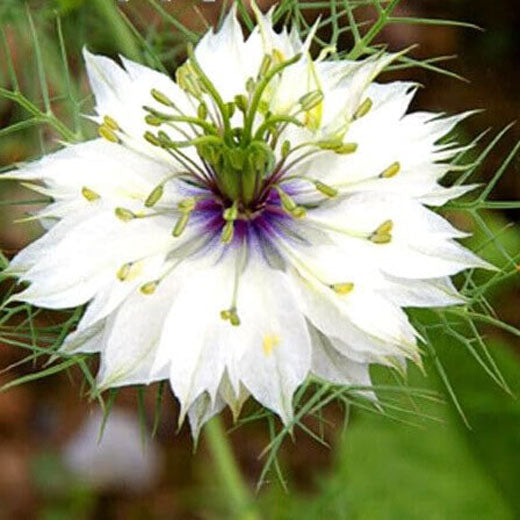
Love-in-a-Mist 'African Bride' – Seeds (Nigella damascena)
Grace your garden with the delicate beauty of Love-in-a-Mist 'African Bride'. This unique variety produces pure white blooms accented by dark, contrasting centers and fine, feathery foliage. Elegant and easy to grow, it’s perfect for borders, cutting, and drying.
Why Grow 'African Bride'
-
Pure white blooms with striking dark centers
-
Long-lasting as cut or dried flowers
-
Easy to grow with airy, fern-like foliage
-
Attracts pollinators
Key Features
-
Type: Hardy annual (Nigella damascena)
-
Height: 45–60 cm
-
Flowering: June–September
-
Position: Full sun
-
Uses: Borders, cut flowers, dried arrangements
Ideal For
-
Cottage gardens and wildflower borders
-
Summer bouquets and wedding flowers
-
Adding soft texture to plantings
-
Wildlife-friendly gardens
Sowing & Growing
-
Sow outdoors: March–May or August–September
-
Direct sow into prepared soil, thin as needed
-
Germination: 10–20 days
-
Space plants 15–20 cm apart
-
Prefers well-drained soil in full sun

Cornflower ‘Red Ball’ Seeds (Centaurea cyanus) – 500 Seeds
Bring bold color to your garden with Cornflower ‘Red Ball’ (Centaurea cyanus). This annual produces striking, deep red, pom-pom-like blooms that add a dramatic touch to borders, meadows, and cutting gardens. Easy to grow and long-flowering, it’s perfect for gardeners seeking vibrant color and pollinator-friendly planting.
How to Grow
-
Sow directly outdoors in spring or autumn.
-
Use well-drained soil in full sun.
-
Scatter seeds thinly and cover lightly with soil.
-
Keep soil moist until germination (7–14 days).
-
Thin seedlings to 20–25 cm apart once established.
-
Deadhead regularly to encourage continuous blooming.
Key Features
-
Striking deep red, pom-pom-like blooms
-
Hardy annual, easy to grow and long-flowering
-
Ideal for borders, meadows, and cutting gardens
-
Attracts bees, butterflies, and other pollinators
-
Bold, eye-catching color for garden displays
Ideal For
-
Flower borders and cottage gardens
-
Meadow-style plantings and naturalized areas
-
Cutting gardens for fresh bouquets
-
Pollinator-friendly landscapes
Sowing
-
Best time: Spring or autumn directly outdoors
-
Germination: 7–14 days
-
Sow thinly, cover lightly, and keep soil moist
-
Prefers full sun and well-drained soil
Quick Tip
-
Sow in drifts or clusters to maximize visual impact and create a bold color display.
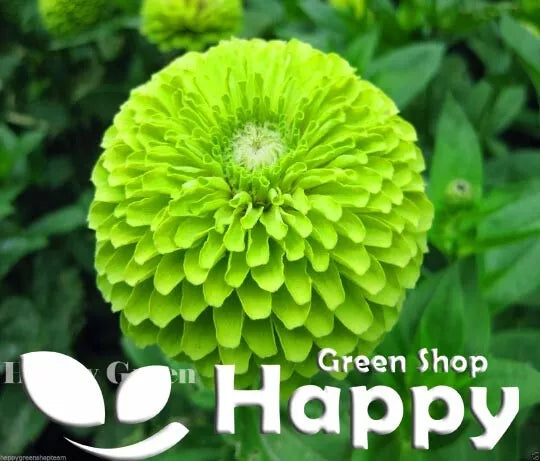
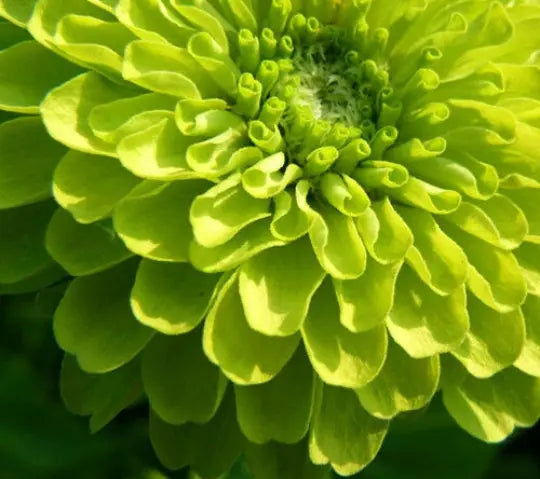
Zinnia Dahlia ‘Envy’ Lime – Striking Green Blooms for Unique Displays
Zinnia Dahlia ‘Envy’ Lime is a truly unique variety producing large, dahlia-type blooms in an unusual chartreuse-lime green. These striking flowers stand out in borders, bouquets, and mixed plantings, adding a fresh and sophisticated touch. Long-lasting and heat-tolerant, they bloom continuously from summer to frost.
What Makes It Special
-
Rare lime-green blooms not often seen in gardens
-
Large, fully double dahlia-type flowers
-
Long vase life – perfect for cutting
-
Heat- and drought-tolerant for easy care
-
Blooms all summer until frost
Key Features
-
Height: 75–90 cm – ideal for middle or back borders
-
Unique color that complements bright or pastel flowers
-
Excellent for fresh and dried arrangements
-
Attracts bees, butterflies, and pollinators
-
Sturdy stems hold up well in bouquets
Ideal For
-
Cutting gardens and floral arrangements
-
Mixed borders and cottage gardens
-
Adding contrast to colorful plantings
-
Late-summer wedding bouquets
Sowing
-
Sow indoors 4–6 weeks before last frost or direct sow after frost danger has passed
-
Cover seeds lightly with fine soil
-
Germination: 5–10 days at 21–24°C
-
Space plants 30–40 cm apart
-
Prefers full sun and well-drained soil
Showing 54/260


