
Cut Flower Seeds

Sort by:
143 products
143 products

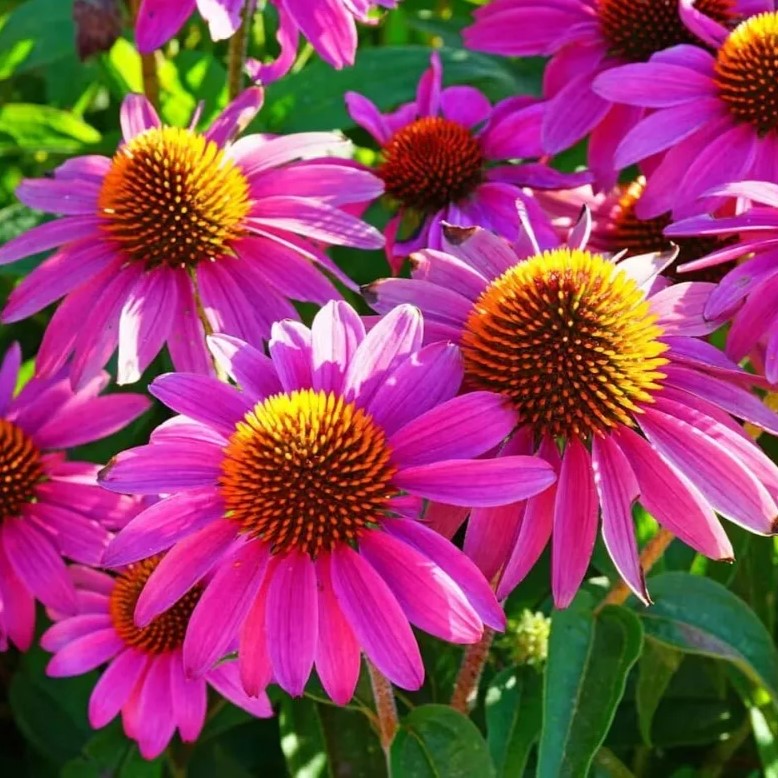
Coneflower Purple 'Ruby Star' Seeds (Echinacea purpurea)
Coneflower ‘Ruby Star’ is a robust perennial with large, daisy-like blooms in vivid purple-red, centered with coppery cones. Strong stems hold the flowers upright, making them excellent for cutting while also drawing in bees, butterflies, and other pollinators. Hardy and low-maintenance, it’s a summer garden essential.
What Makes It Special
-
Bold ruby-purple blooms with copper centers
-
Loved by pollinators and birds (seed heads in autumn)
-
Drought-tolerant and long-lasting perennial
Key Features
-
Botanical name: Echinacea purpurea
-
Hardy perennial
-
Height: 80–100 cm
-
Bloom time: Summer to early autumn
Ideal For
-
Borders and prairie-style gardens
-
Pollinator-friendly plantings
-
Cut flowers and naturalized areas
Sowing
-
Sow indoors Feb–Apr or outdoors Apr–Jun
-
Lightly cover seeds with soil
-
Germination: 14–28 days at 18–22°C
-
Transplant 40–50 cm apart
-
Flowers from the second year onward
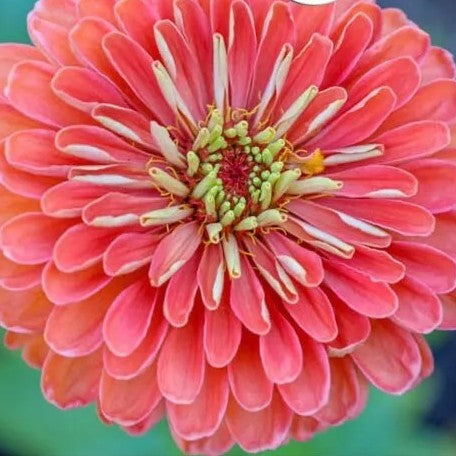
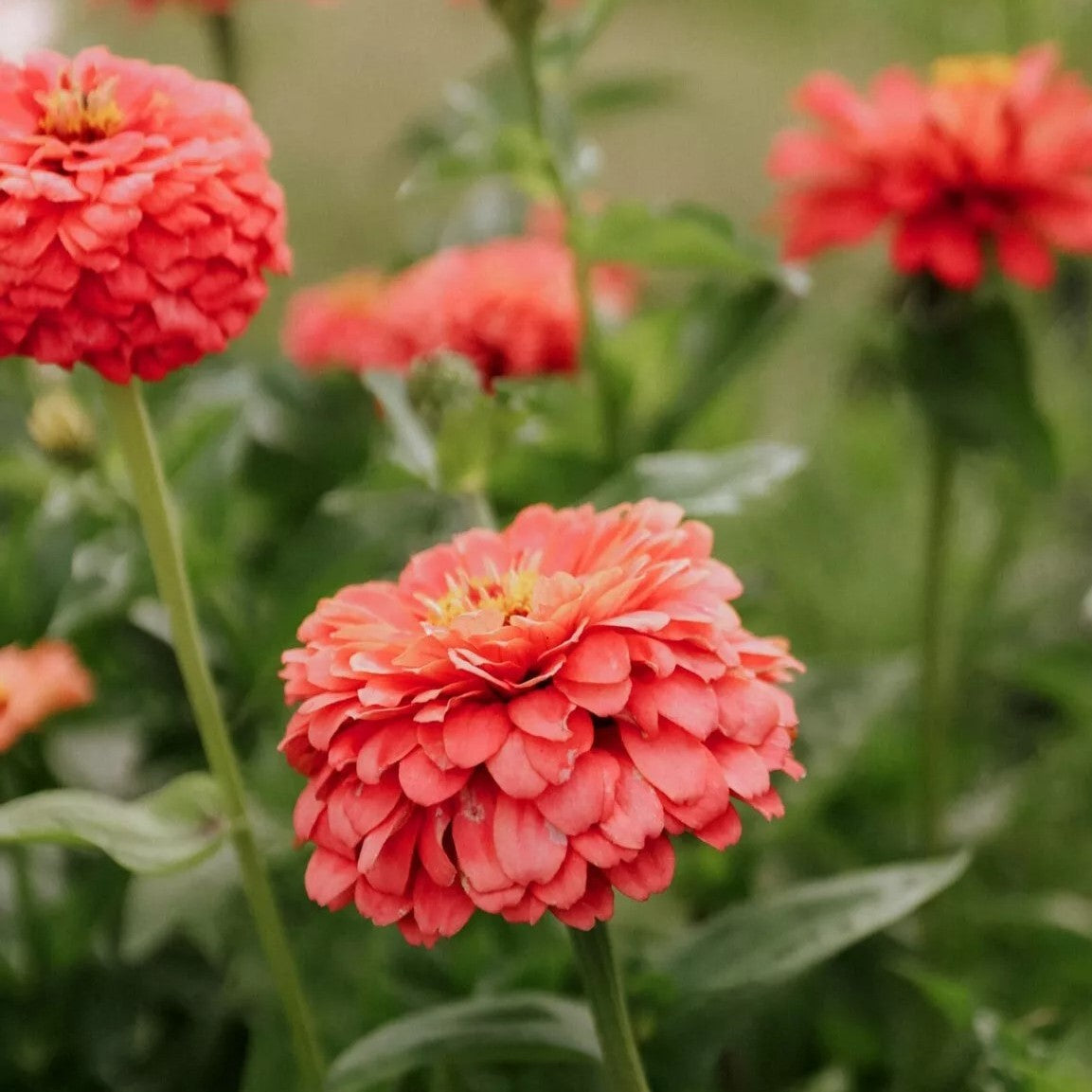
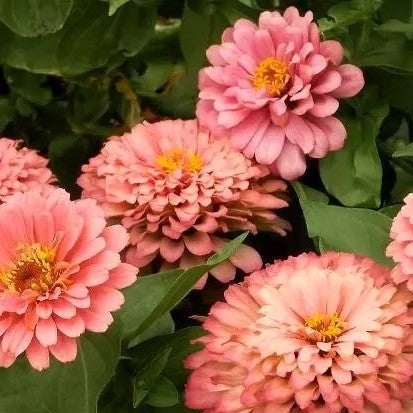
Zinnia Dahliaflowered ‘Salamon Queen’ Seeds (Zinnia elegans)
Bring bold color and classic charm to your garden with Zinnia Dahliaflowered ‘Salamon Queen’ (Zinnia elegans). This annual produces large, dahlia-like blooms in rich pink shades, adding vibrant flair to borders, beds, and containers. Easy to grow and long-flowering, it’s perfect for brightening your garden from summer to autumn and for cut flower arrangements.
How to Grow
-
Sow indoors in early spring or directly outdoors after the last frost.
-
Use well-drained soil in a sunny location.
-
Lightly cover seeds with soil and keep moist until germination (7–14 days).
-
Thin seedlings to 20–25 cm apart to ensure healthy growth.
-
Water regularly, avoiding waterlogging.
-
Deadhead spent flowers to encourage continuous blooms.
Key Features
-
Large, dahlia-like blooms in vibrant pink shades
-
Long-flowering annual, summer through autumn
-
Easy to grow and maintain, ideal for beginners
-
Excellent for fresh cut flowers and bouquets
-
Attracts pollinators including bees and butterflies
Ideal For
-
Flower beds and borders
-
Containers, patio planters, and window boxes
-
Cutting gardens for fresh bouquets
-
Pollinator-friendly landscapes
Sowing
-
Best time: Early spring indoors or after frost outdoors
-
Germination: 7–14 days
-
Sow thinly, cover lightly, and keep soil moist
-
Prefers full sun and well-drained soil
Quick Tip
-
Deadhead regularly to prolong flowering and maintain vibrant blooms throughout the season.


Zinnia Dahlia ‘Super Yoga’ – Giant, Fully Double Blooms for Maximum Impact
Zinnia Dahlia ‘Super Yoga’ produces huge, fully double blooms in brilliant, bold colors, making it a showpiece for borders and cutting gardens. These tall, vigorous plants thrive in full sun and summer heat, delivering long-lasting flowers that are perfect for arrangements and garden displays from summer right through to frost.
What Makes It Special
-
Giant dahlia-type blooms in vibrant mixed shades
-
Excellent for high-impact borders and large bouquets
-
Long stems and strong structure for cutting
-
Heat- and sun-loving with season-long blooms
-
Perfect for gardeners seeking bold, statement flowers
Key Features
-
Height: 75–90 cm – tall, sturdy plants
-
Excellent vase life
-
Attracts bees, butterflies, and pollinators
-
Easy to grow from seed
-
Perfect for showy summer arrangements
Ideal For
-
Cutting gardens and large floral arrangements
-
Tall mixed borders
-
Pollinator-friendly garden designs
-
Summer-long colorful displays
Sowing
-
Sow indoors 4–6 weeks before last frost or direct sow after frost danger has passed
-
Cover seeds lightly with fine soil
-
Germination: 5–10 days at 21–24°C
-
Space plants 30–40 cm apart
-
Prefers full sun and well-drained soil
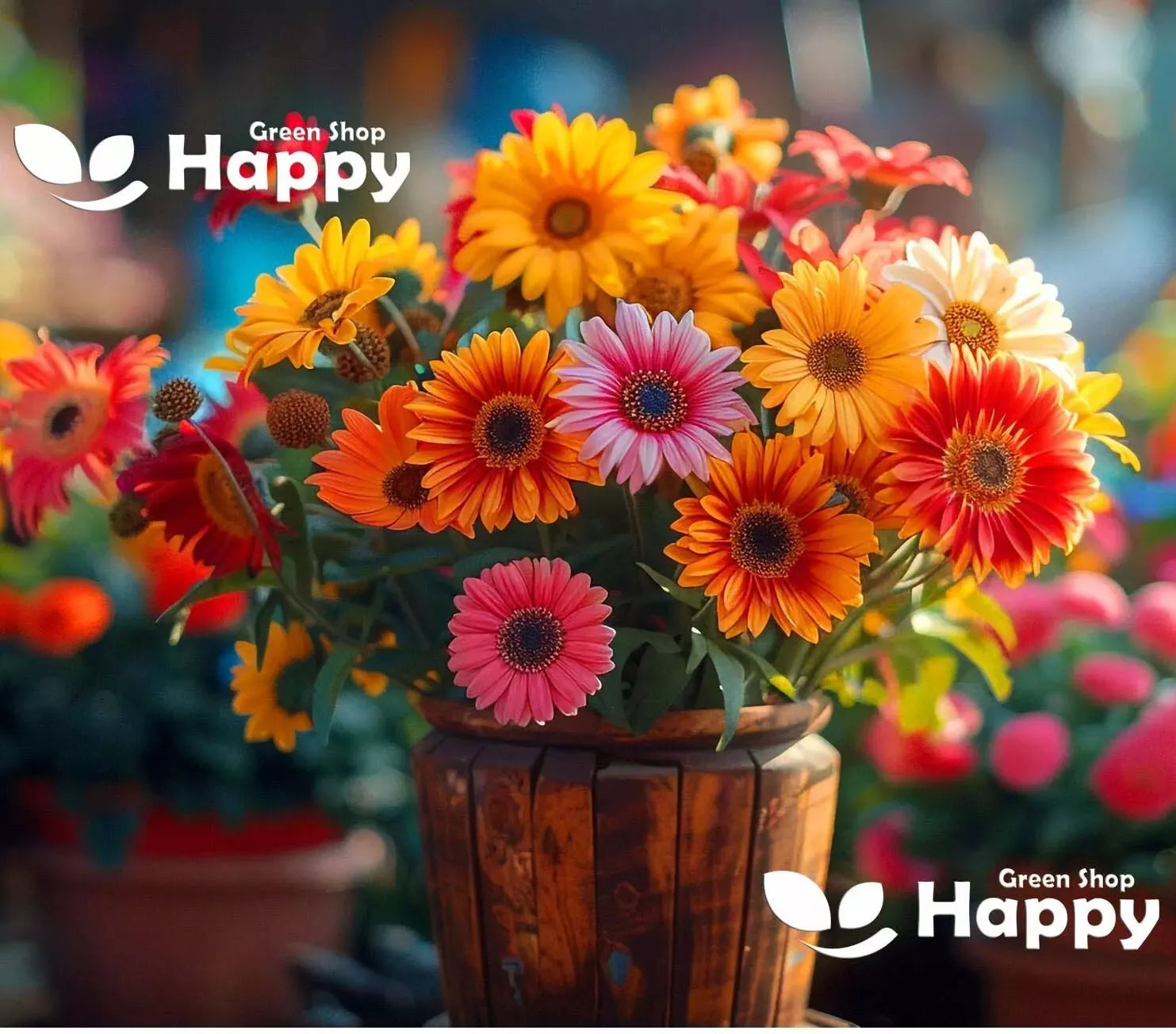
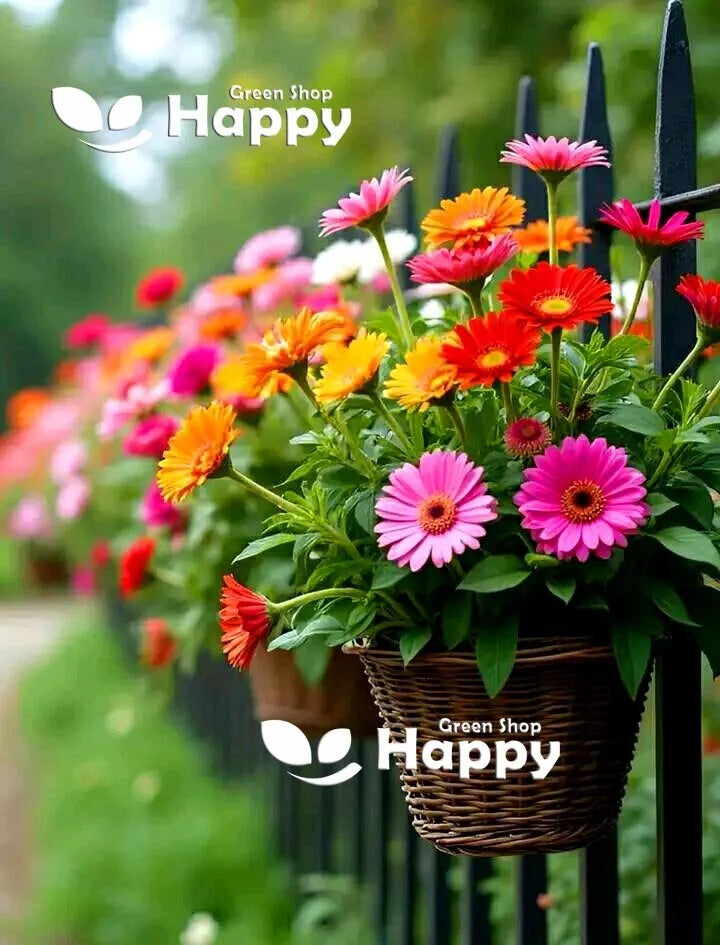
Gerbera Hybrids Mix – Seeds (Gerbera jamesonii)
Gerbera Hybrids Mix produces large, daisy-like flowers in a brilliant range of colors, from rich reds and oranges to soft pinks, yellows, and whites. A florist favorite, these blooms are long-lasting both in the garden and as cut flowers. With their bold, cheerful faces, Gerberas bring vibrant color to borders, beds, containers, and bouquets.
Why Grow "Gerbera Hybrids Mix"
-
Large, showy flowers in a wide range of colors
-
Long-lasting blooms, perfect for cutting
-
Compact plants ideal for pots and borders
-
Adds bold color to any garden setting
Key Features
-
Type: Tender perennial (Gerbera jamesonii, often grown as annual)
-
Height: 25–40 cm
-
Flowering: Summer to early autumn
-
Position: Full sun to partial shade
-
Uses: Borders, beds, patio containers, cut flowers
Ideal For
-
Adding brilliant color to borders and beds
-
Patio and balcony pots
-
Cutting for vibrant floral arrangements
-
Gardeners seeking bright, easy-to-grow flowers
Sowing & Growing
-
Sow indoors: Early spring at 20–25°C
-
Germination: 14–30 days
-
Transplant outdoors after last frost, spacing 25–30 cm apart
-
Prefers well-drained soil and regular feeding for best blooms
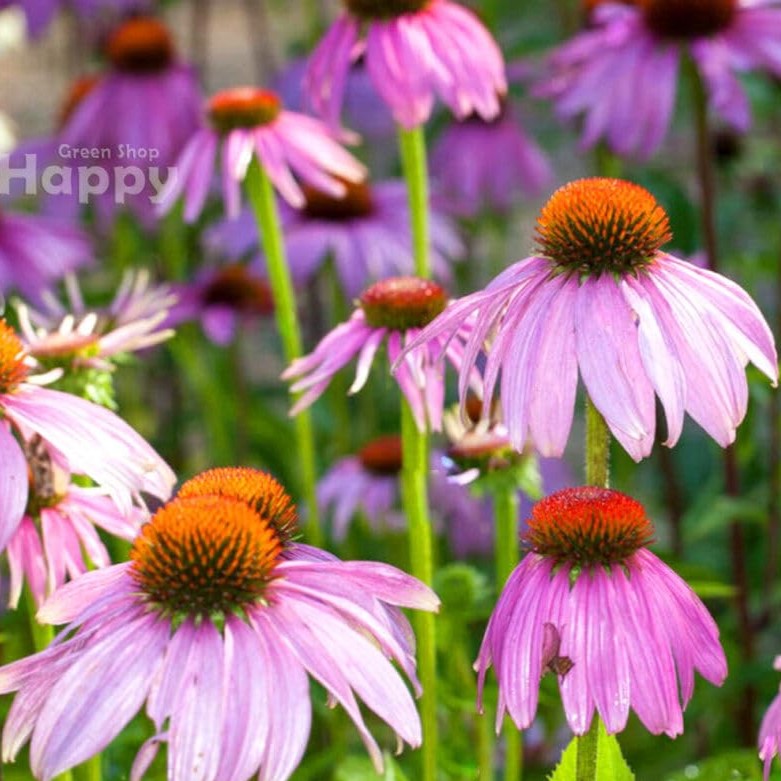
Purple Coneflower 'Starlight' – Seeds
(Echinacea purpurea)
Purple Coneflower 'Starlight' is a hardy perennial known for its striking lavender-purple petals surrounding a prominent orange-brown central cone. Its long-lasting blooms attract pollinators like bees and butterflies, while its robust, upright growth makes it a standout in borders, wildflower meadows, and perennial gardens. This variety is low-maintenance and drought-tolerant, perfect for sustainable planting.
Key Features
-
Type: Perennial
-
Height: 60–90 cm
-
Spread: 40–50 cm
-
Flowering: July–September
-
Position: Full sun to partial shade
-
Soil: Well-drained, moderately fertile
Ideal For
-
Perennial borders and cottage gardens
-
Pollinator-friendly planting
-
Cut flower arrangements
-
Naturalized or meadow-style gardens
Sowing & Growing
-
Sow indoors: February–April at 18–22°C
-
Sow outdoors: April–May, directly in soil
-
Germination: 14–21 days
-
Thin seedlings to 40–50 cm apart
-
Mulch and water moderately; low-maintenance once established
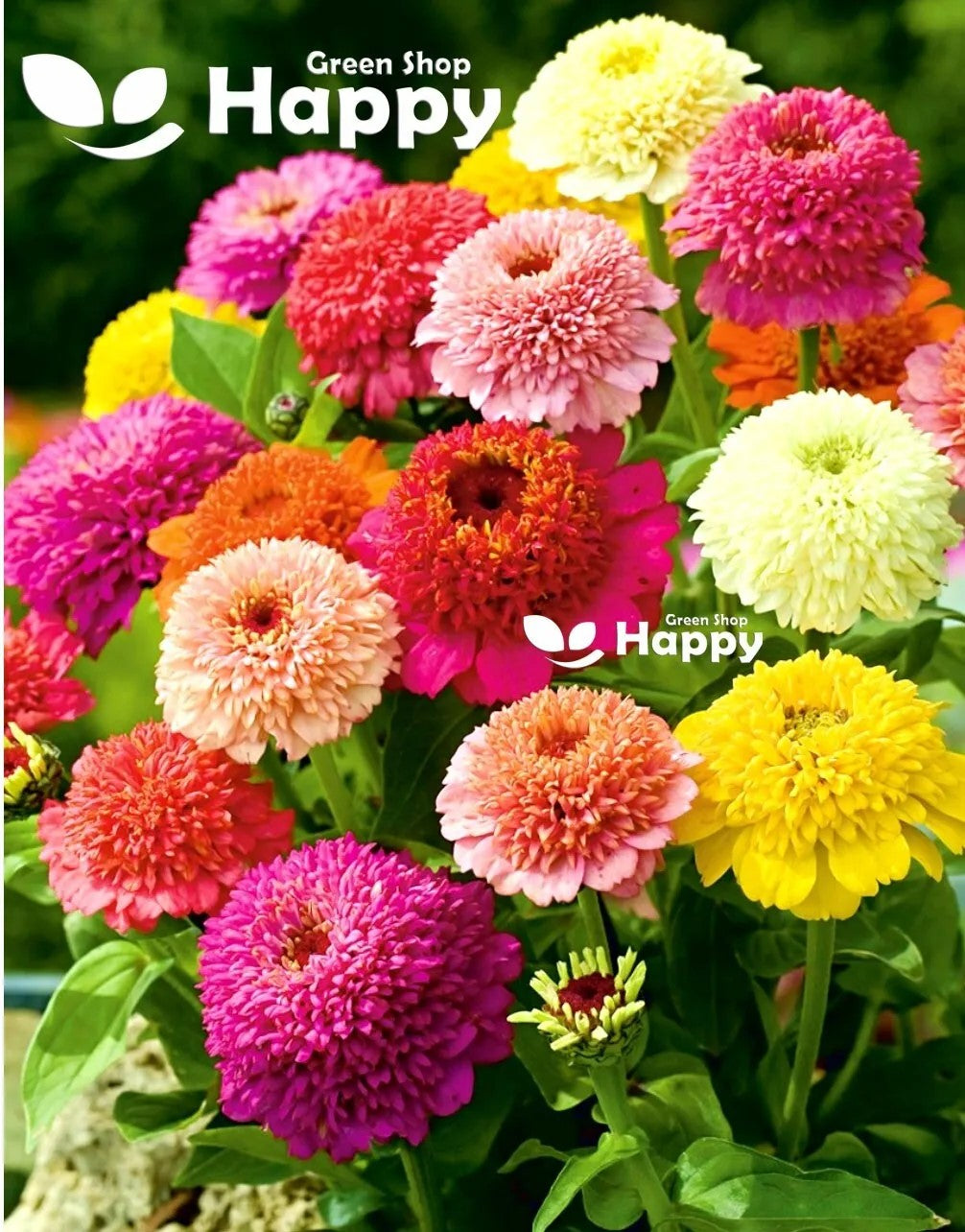
Zinnia Scabiosa Flowered Mix – Unique Textured Blooms in Vibrant Colors
Zinnia Scabiosa Flowered Mix offers a striking twist on classic zinnias, with unique pincushion-style blooms in vivid shades of pink, red, orange, yellow, and white. These eye-catching flowers add texture, color, and charm to borders, cutting gardens, and bouquets, blooming from summer right through to frost.
What Makes It Special
-
Distinctive scabiosa-style blooms for unique displays
-
Vibrant mix of bright and pastel shades
-
Long-lasting flowers perfect for cutting
-
Heat- and drought-tolerant
-
Blooms all summer until frost
Key Features
-
Height: 60–75 cm – ideal for borders and cutting gardens
-
Excellent vase life and floral texture
-
Attracts bees, butterflies, and pollinators
-
Easy to grow in sunny locations
-
Adds variety to mixed bouquets
Ideal For
-
Cutting gardens and floral arrangements
-
Mixed borders and cottage gardens
-
Pollinator-friendly spaces
-
Summer color from a unique bloom shape
Sowing
-
Sow indoors 4–6 weeks before last frost or direct sow after frost danger has passed
-
Cover seeds lightly with fine soil
-
Germination: 5–10 days at 21–24°C
-
Space plants 30–40 cm apart
-
Requires full sun and well-drained soil

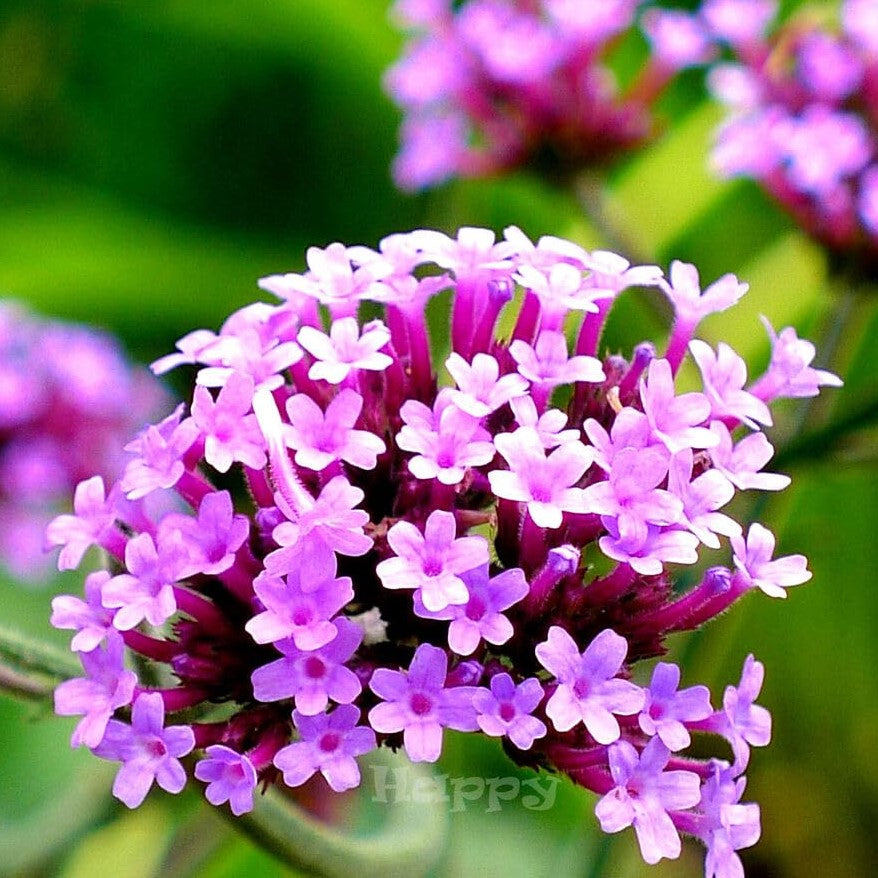

Purpletop Vervain – Seeds
(Verbena bonariensis)
Purpletop Vervain is a tall, airy perennial that produces clusters of vibrant purple flowers atop slender stems. Its long flowering period and graceful form make it ideal for borders, cottage gardens, and pollinator-friendly landscapes. Loved by butterflies and bees, it adds height, color, and elegance to any garden.
Why Grow Purpletop Vervain?
-
Clusters of vibrant purple flowers on tall stems
-
Long-flowering perennial, easy to grow
-
Attracts butterflies and bees
-
Adds height and elegance to borders and cottage gardens
Key Features
-
Type: Perennial
-
Height: 90–150 cm
-
Flowers: Summer to autumn
-
Position: Full sun
-
Soil: Well-drained, moderately fertile
Ideal For
-
Cottage and mixed borders
-
Pollinator-friendly gardens
-
Cut flowers and floral displays
-
Adding height and color to flower beds
Sowing & Growing
-
Sow indoors: February–April in seed trays
-
Sow outdoors: April–May directly in prepared soil
-
Germination: 10–20 days at 18–20°C
-
Spacing: 30–40 cm apart
-
Care: Low maintenance; deadhead to prolong flowering
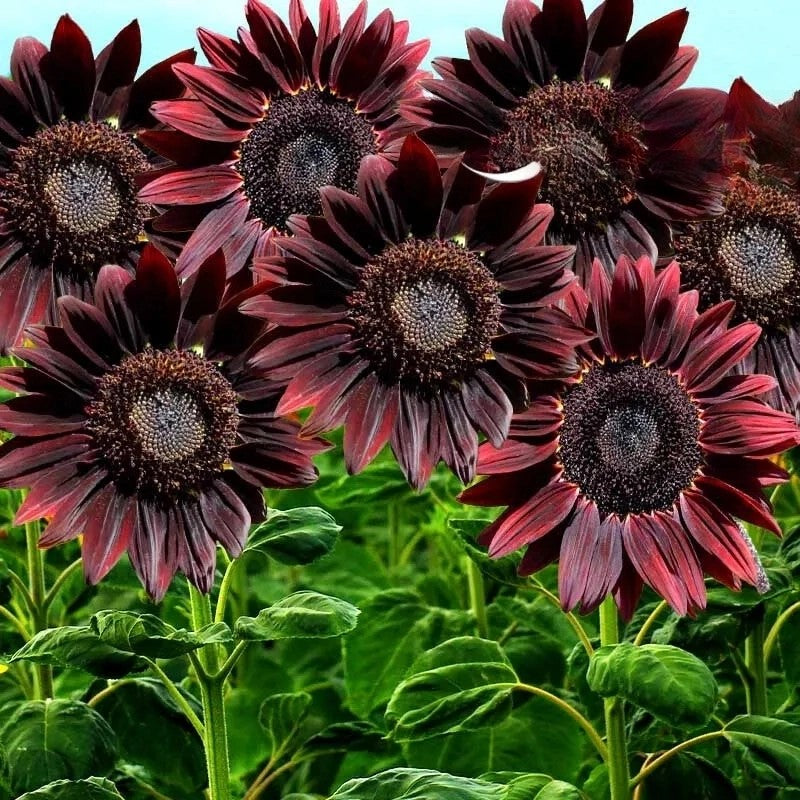
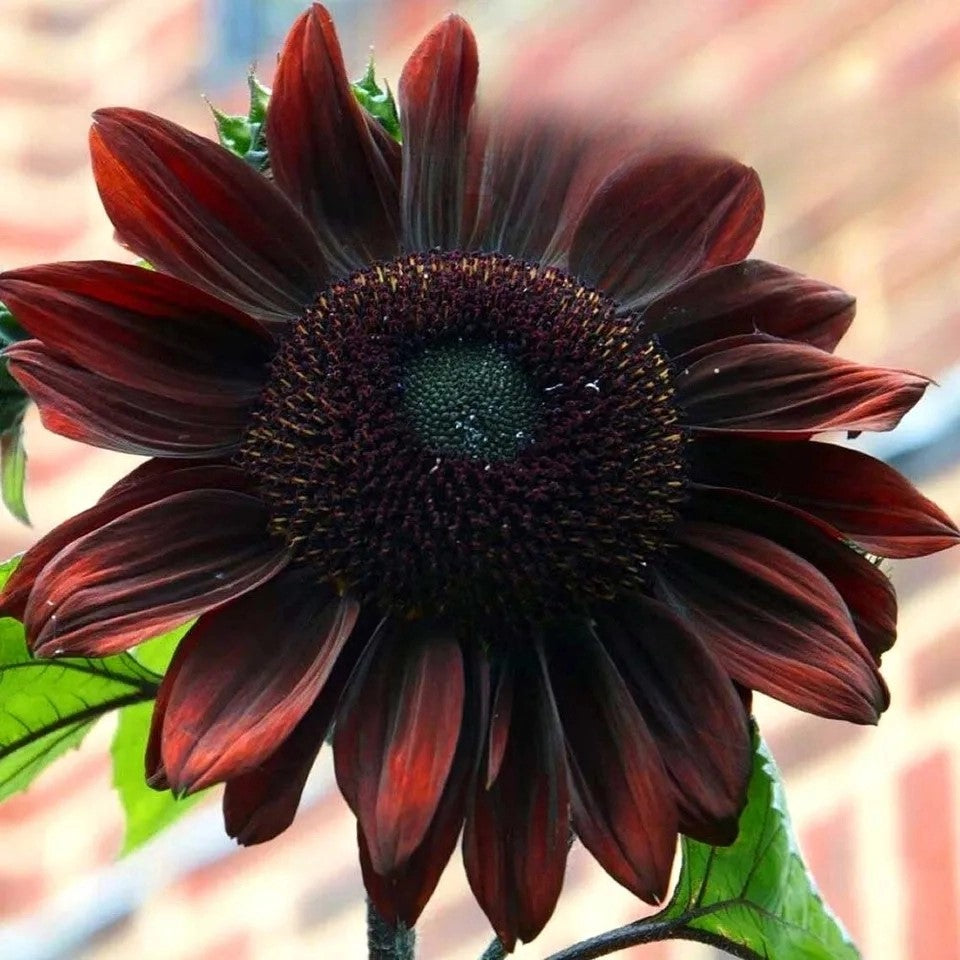
Sunflower ‘Chocolate’ Seeds (Helianthus annuus)
Sunflower ‘Chocolate’ is a striking annual with rich, dark brown to chocolate-colored blooms. Blooming from mid-summer to early autumn, it adds dramatic contrast and height to borders, flower beds, and cut-flower gardens. Hardy, easy to grow, and pollinator-friendly, it’s perfect for creating bold garden statements.
What Makes It Special
-
Unique chocolate-brown flower heads
-
Tall, striking stems ideal for borders and cut flowers
-
Hardy, low-maintenance, and attracts bees and pollinators
Key Features
-
Botanical name: Helianthus annuus
-
Annual
-
Height: 120–180 cm
-
Bloom time: Mid-summer to early autumn
Ideal For
-
Borders, flower beds, and cut-flower gardens
-
Pollinator-friendly plantings
-
Bold garden accents and visual interest
Sowing
-
Sow indoors Mar–Apr or outdoors after last frost
-
Cover seeds lightly with soil
-
Germination: 7–14 days at 18–22°C
-
Space seedlings 30–50 cm apart
-
Flowers the same year


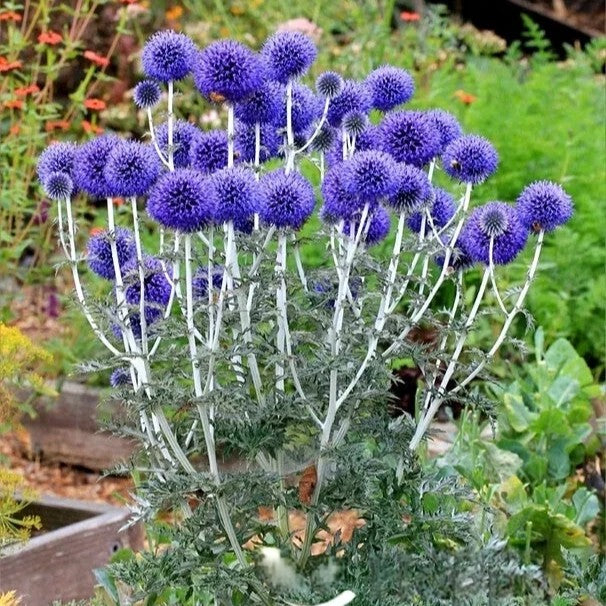
Blue Globe Thistle Seeds (Echinops ritro)
The Blue Globe Thistle is a striking perennial featuring spiky, metallic-blue globe-shaped flowers atop silvery-green foliage. Its architectural form adds drama to borders, cottage gardens, and wildflower plantings, while also serving as an excellent cut or dried flower. Hardy and drought-tolerant, it attracts bees, butterflies, and other pollinators.
What Makes It Special
-
Unique metallic-blue, spherical flower heads
-
Hardy, drought-tolerant, and long-lasting perennial
-
Excellent for fresh or dried flower arrangements
Key Features
-
Botanical name: Echinops ritro
-
Hardy perennial
-
Height: 60–90 cm (24–36 in)
-
Bloom time: Mid to late summer
Ideal For
-
Architectural accents in borders and cottage gardens
-
Wildflower and pollinator-friendly plantings
-
Fresh and dried cut flower arrangements
Sowing
-
Sow indoors Feb–Apr or outdoors May–Jun
-
Mix seeds with moist compost and refrigerate 2–4 weeks for stratification
-
Germination: 14–35 days at 18–22°C after cold treatment
-
Thin seedlings 40 cm apart
-
Flowers from the second year after sowing
Showing 18/143


