
Sort by:
21 products
21 products
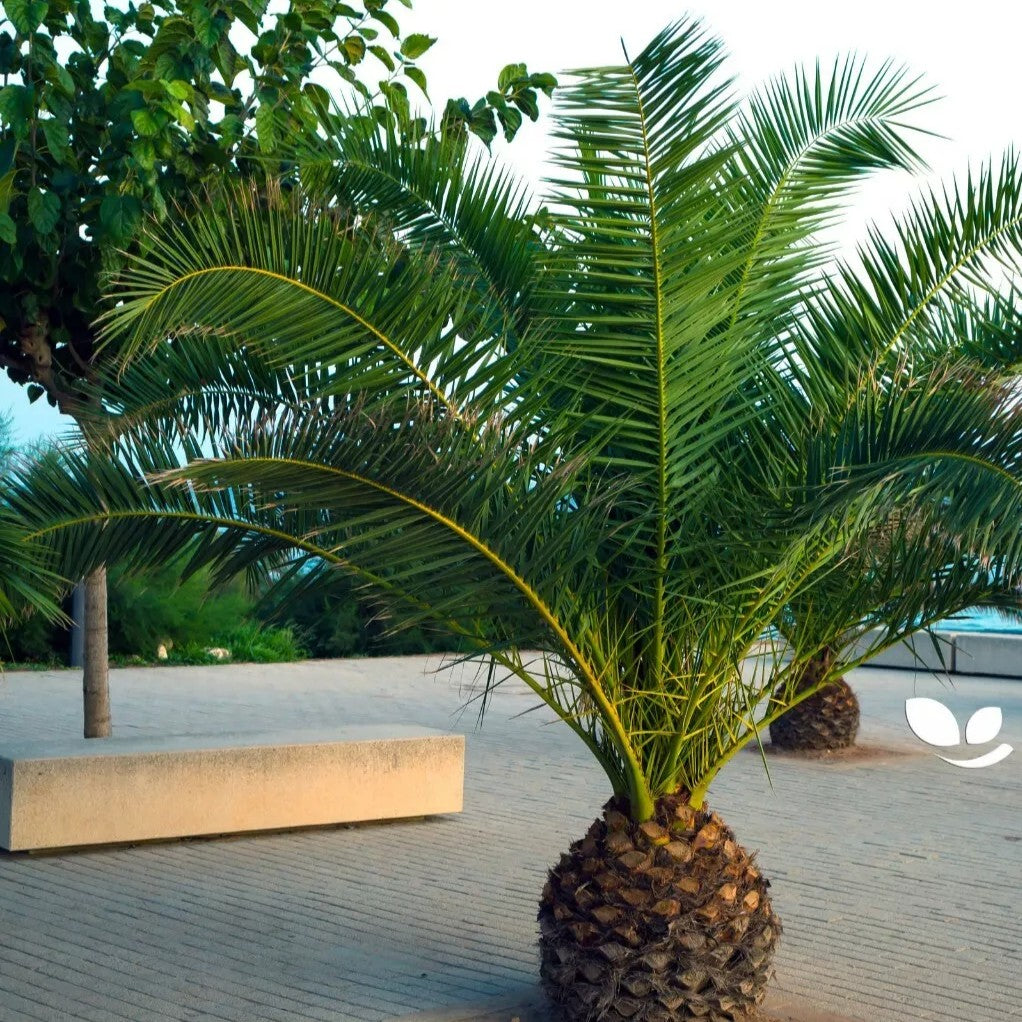
Canary Island Palm – Seeds (Phoenix canariensis)
The Canary Island Palm (Phoenix canariensis) is a striking ornamental palm admired for its bold, arching fronds and robust trunk. Native to the Canary Islands, this slow-growing palm makes an impressive specimen in large containers or gardens in warm climates. In cooler regions, it can be grown indoors or in conservatories for an exotic, tropical look.
Why Grow "Canary Island Palm"
-
Majestic palm with dramatic, feathery fronds
-
Slow-growing, long-lived specimen plant
-
Perfect for containers, patios, and conservatories
-
Creates an instant tropical atmosphere
Key Features
-
Type: Evergreen palm (Phoenix canariensis)
-
Height: Up to 10–20 m in warm climates; smaller in pots
-
Growth: Slow, forming a stout trunk
-
Position: Full sun
-
Uses: Containers, specimen planting, conservatories, exotic gardens
Ideal For
-
Tropical or Mediterranean-style gardens
-
Patios and large containers
-
Conservatories and bright indoor spaces
-
Statement landscaping plant
Sowing & Growing
-
Soak seeds in warm water for 24–48 hours before sowing
-
Sow indoors: Year-round in warm conditions
-
Germination: 6–12 weeks at 22–28°C
-
Use free-draining compost, keep moist
-
Transplant seedlings into larger pots as they grow
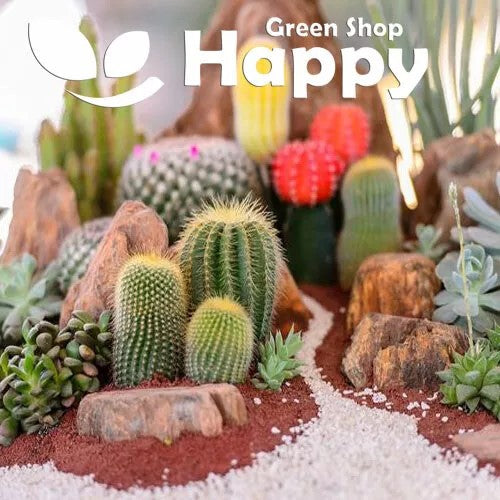
Mixed Cacti – Seeds
Mixed Cacti is a collection of hardy, slow-growing succulent plants perfect for indoor or outdoor rockeries, terrariums, and container gardens. These unique plants feature a variety of shapes, sizes, and textures, adding exotic charm to any collection. Ideal for hobby gardeners, collectors, and low-maintenance garden enthusiasts.
Why Grow Mixed Cacti?
-
Variety of unique shapes, sizes, and textures
-
Low-maintenance and drought-tolerant
-
Perfect for indoor, outdoor, or container planting
-
Adds exotic appeal to any garden or collection
Key Features
-
Type: Succulent / Cacti
-
Height: Varies by species
-
Flowers: Seasonal (species-dependent)
-
Position: Full sun to partial shade
-
Soil: Well-drained, sandy or cactus mix
Ideal For
-
Terrariums, rockeries, and container gardens
-
Indoor and outdoor succulent collections
-
Low-maintenance and drought-tolerant plantings
-
Gardeners and collectors seeking variety
Sowing & Growing
-
Sow indoors: February–April in seed trays
-
Sow outdoors: April–May in well-drained soil
-
Germination: 2–6 weeks, depending on species
-
Spacing: Plant according to mature size
-
Care: Minimal watering; avoid overwatering
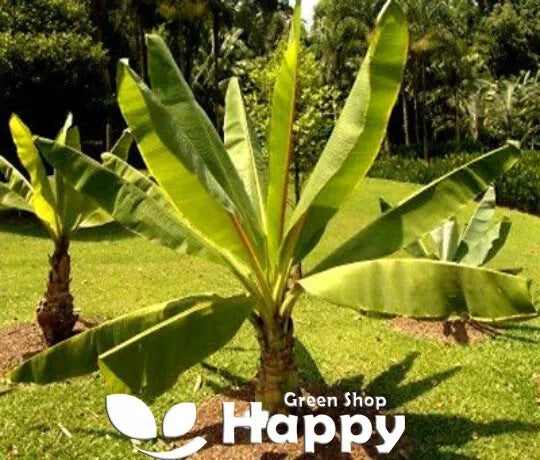
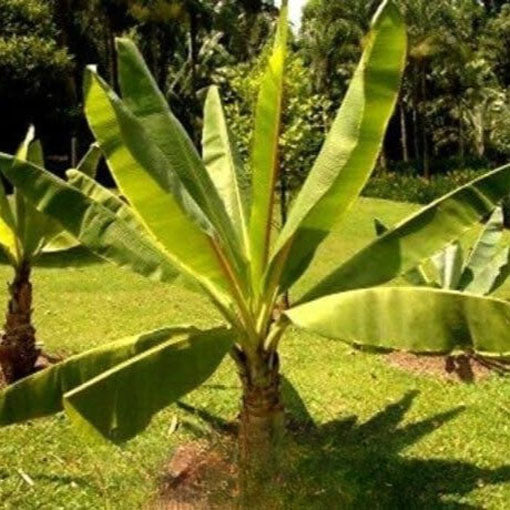
Ethiopian Banana Plant – Seeds (Ensete ventricosum)
The Ethiopian Banana (Ensete ventricosum) is a striking tropical plant known for its massive, upright leaves and dramatic architectural presence. Unlike edible bananas, it is grown primarily as an ornamental for gardens, patios, and large containers. Slow-growing but hardy in warm climates, it brings a lush, tropical feel wherever it is planted.
Why Grow "Ethiopian Banana Plant"
-
Large, bold, tropical foliage
-
Dramatic architectural feature for gardens and patios
-
Hardy and long-lived in warm climates
-
Adds an exotic, tropical atmosphere
Key Features
-
Type: Tender perennial (Ensete ventricosum)
-
Height: 2–4 m (indoors/pots smaller)
-
Growth: Upright, clumping habit
-
Position: Full sun to partial shade
-
Uses: Specimen plant, tropical gardens, large pots/containers
Ideal For
-
Tropical and exotic garden themes
-
Large containers and patios
-
Conservatories and greenhouses
-
Statement landscaping plant
Sowing & Growing
-
Soak seeds for 24–48 hours before sowing
-
Sow indoors: Year-round in warm conditions
-
Germination: 4–12 weeks at 22–28°C
-
Use rich, free-draining compost and keep soil moist
-
Transplant into large containers as seedlings grow
Showing 21/21


