
Sort by:
15 products
15 products
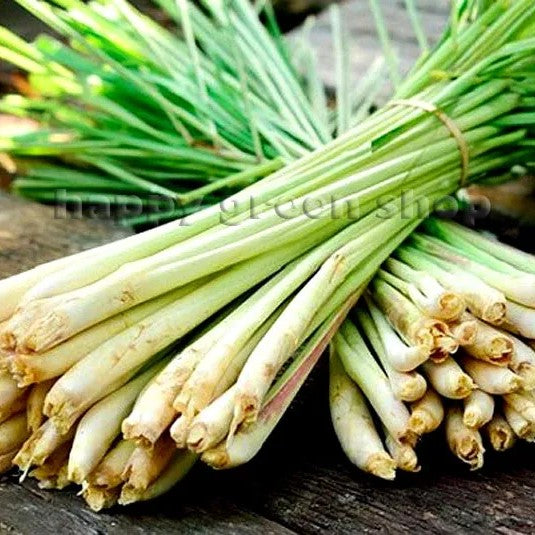
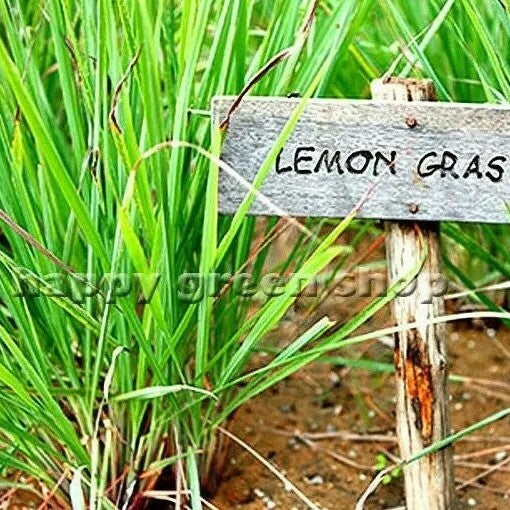
Lemongrass – Seeds (Cymbopogon flexuosus)
Lemongrass is a wonderfully fragrant herb, widely used in Asian cuisine for its fresh citrus flavor. This versatile plant can be grown in containers, kitchen gardens, or even indoors on a sunny windowsill. Both the leaves and stems are edible, perfect for curries, teas, marinades, and stir-fries. An attractive, clump-forming grass, it also adds a decorative touch to herb borders.
How to Grow
-
Sow indoors: February – April in trays or pots of seed compost with gentle heat.
-
Transplant: When seedlings are large enough, pot on or plant outdoors after the last frost.
-
Soil: Fertile, free-draining soil in full sun.
-
Spacing: 30–40 cm apart.
-
Keep soil moist and protect from cold.
Key Features
-
Fragrant herb with citrus aroma
-
Essential for Asian cooking
-
Edible stems and leaves
-
Can be grown in pots, containers, or beds
-
Attractive clump-forming grass
Ideal For
-
Asian-inspired dishes, teas, and marinades
-
Herb gardens, borders, and container growing
-
Indoor growing on sunny windowsills
Sowing & Harvest
-
Sow: February – April
-
Harvest: July – October (leaves and stems when mature)
Quick Tip
For a continuous harvest, cut stalks at the base while leaving the plant to regrow. In cooler climates, grow in pots and overwinter indoors.
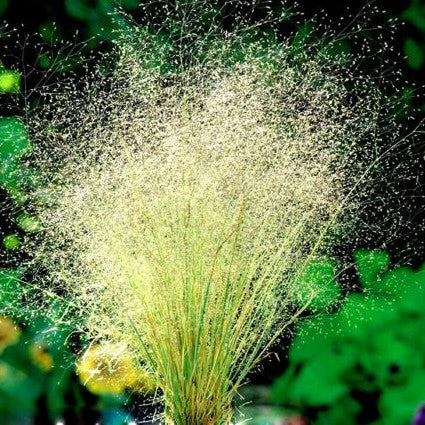
Cloud Grass Seeds (Agrostis nubelosa)
A graceful ornamental grass, Cloud Grass produces airy, feathery plumes that sway elegantly in the breeze. Hardy and low-maintenance, it adds movement, texture, and a soft, cloud-like appearance to borders, rock gardens, and naturalistic plantings throughout the growing season.
What Makes It Special
-
Light, airy plumes for a soft, cloud-like effect
-
Hardy and drought-tolerant with minimal maintenance
-
Adds texture, movement, and elegance to garden designs
Key Features
-
Botanical name: Agrostis nubelosa
-
Hardy perennial
-
Height: 30–60 cm (12–24 in)
-
Bloom time: Summer
Ideal For
-
Borders, rock gardens, and naturalistic plantings
-
Containers and low-maintenance garden designs
-
Adding movement and texture to mixed plantings
Sowing
-
Sow indoors Feb–Apr or outdoors Mar–May
-
Cover lightly with soil and keep moist
-
Germination: 14–21 days at 15–20°C
-
Thin seedlings 15–20 cm apart
-
Flowers the first or second season after sowing
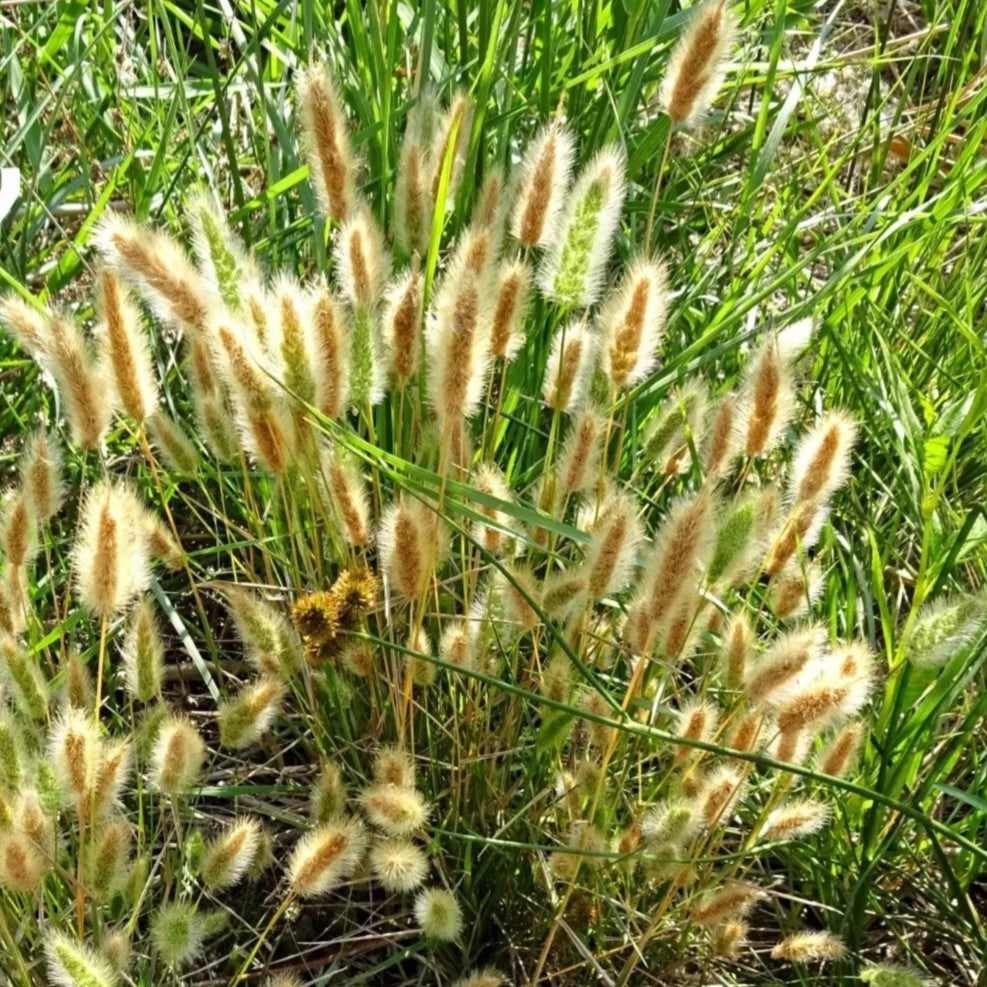
Rabbit’s Foot Grass Seeds – Polypogon monspeliensis
Add a touch of softness and movement to your garden with Rabbit’s Foot Grass (Polypogon monspeliensis). This annual ornamental grass produces charming, fluffy flower heads resembling rabbit’s feet, swaying gracefully in the breeze. Perfect for borders, containers, or dried arrangements, it’s a unique addition to any garden design.
How to Grow
-
Sow directly outdoors in spring after the last frost or start indoors earlier.
-
Use well-drained soil in a sunny to partially shaded location.
-
Lightly press seeds into the soil without covering deeply.
-
Keep soil moist until germination, usually within 7–14 days.
-
Thin seedlings as they grow to allow good air circulation.
-
Harvest flower heads for drying when they are fully developed.
Key Features
-
Produces fluffy, rabbit-foot-like flower heads
-
Adds movement and texture to gardens and containers
-
Annual grass, fast and easy to grow
-
Excellent for dried flower arrangements and crafts
-
Attracts interest as a decorative garden accent
Ideal For
-
Cottage gardens and naturalistic plantings
-
Borders and flower beds
-
Containers and pots
-
Dried floral arrangements and bouquets
Sowing
-
Best time: Spring after frost
-
Germination time: 7–14 days
-
Sow thinly, lightly cover, and keep soil moist
-
Prefers full sun to partial shade
Quick Tip
-
For longer-lasting dried arrangements, cut flower heads just before they fully open and hang them upside down to dry.
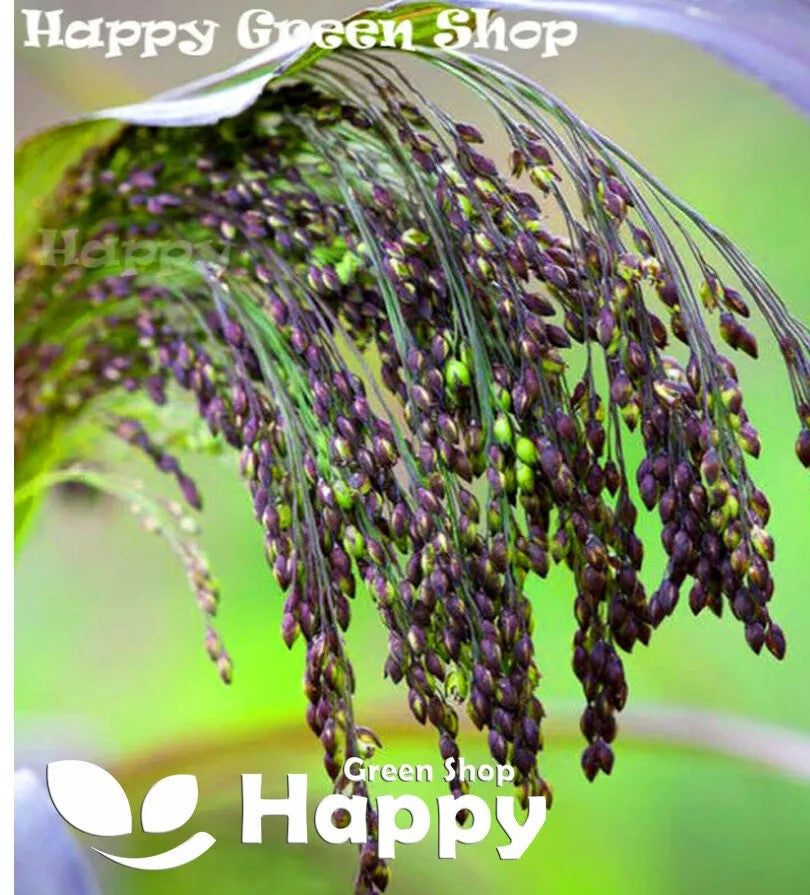
Panic Grass / Violet Millet Seeds (Panicum violaceum)
Panic Grass, also known as Violet Millet, is a stunning ornamental grass with a strong, upright habit and arching leaves tipped with violet tones. The plant produces dark purple seed heads that add bold color, structure, and movement to borders and mixed plantings. Highly versatile, it can be used as a striking centerpiece in containers, or as a cut-and-dry feature for floral arrangements.
What Makes It Special
-
Striking violet-purple flower spikes
-
Strong, upright growth habit – adds height and structure
-
Excellent for cut and dried arrangements
-
Easy to grow and quick to mature
Key Features
-
Botanical name: Panicum violaceum
-
Common names: Panic Grass, Violet Millet
-
Seed count: Approx. seeds per pack
-
Height/Spread: 60–120 cm tall, 30–50 cm spread
-
Position: Full sun; tolerates a wide range of soils
-
Flowering period: Summer to early autumn
-
Lifespan: Annual grass
Ideal For
-
Borders and background planting
-
Containers and patio pots
-
Adding contrast in mixed plantings
-
Cut flowers and dried arrangements
-
Ornamental grass displays
Sowing Instructions
-
When to sow: March–May indoors, or April–June outdoors after frost danger has passed
-
How to sow:
-
Sow thinly in trays or directly outdoors in finely prepared soil
-
Cover lightly with soil (seeds need some light for germination)
-
Keep moist until seedlings appear (10–21 days)
-
-
Transplant/Thin: Space plants 30–40 cm apart
-
Care: Thrives in sun and well-drained soil; minimal maintenance needed


Pampas Grass Pink Seeds (Cortaderia selloana)
Pampas Grass in soft pink shades is a spectacular ornamental grass, perfect for creating a bold yet elegant focal point in any garden. The tall plumes add height, texture, and movement to borders, while their delicate blush tones make them highly sought-after for floral arrangements and home décor.
What Makes It Special
-
Stunning pink-tinged plumes for a unique twist on the classic Pampas
-
Adds drama and structure to landscapes and garden borders
-
Drought-tolerant and hardy once established
-
Excellent for cutting, drying, and modern interior decoration
Key Features
-
Botanical name: Cortaderia selloana
-
Common name: Pampas Grass (Pink)
-
Seed count: Approx. seeds per pack
-
Height/Spread: Up to 2–2.5 m tall, 1.5–2 m spread
-
Position: Full sun; fertile, well-drained soil
-
Flowering period: Late summer to autumn
-
Lifespan: Hardy perennial
Ideal For
-
Dramatic garden focal points
-
Architectural and modern garden design
-
Coastal and drought-tolerant landscapes
-
Cutting and drying for long-lasting pink arrangements
-
Large borders, backdrops, or statement plantings
Sowing Instructions
-
When to sow: February–April indoors, or May–June outdoors after frost
-
How to sow:
-
Sow seeds on the surface of moist compost, do not cover (light needed for germination)
-
Maintain 18–22°C; germination in 2–4 weeks
-
-
Transplant: Pot on seedlings when large enough to handle
-
Planting out: Harden off before planting in a sunny, sheltered position with space to grow
-
Care: Water young plants well; once mature, Pampas Grass becomes drought-tolerant. Cut back old foliage in late winter to encourage fresh growth.

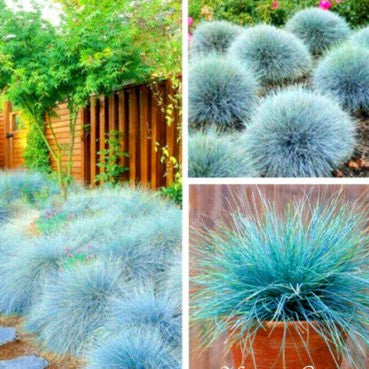
Blue Fescue Grass Seeds (Festuca glauca)
Blue Fescue is a compact, clump-forming ornamental grass prized for its striking silvery-blue foliage and neat rounded habit. It provides year-round interest and a beautiful contrast to flowering plants, rock gardens, or modern landscapes. Easy to grow and low-maintenance, this grass is a top choice for adding texture and color to gardens.
What Makes It Special
-
Stunning steel-blue foliage that keeps its color year-round
-
Compact, tufted shape – perfect for edging or groundcover
-
Extremely hardy and drought-tolerant once established
-
Low-maintenance and versatile in garden design
Key Features
-
Botanical name: Festuca glauca
-
Common name: Blue Fescue
-
Seed count: Approx. seeds per pack
-
Height/Spread: 20–30 cm tall, 25–30 cm spread
-
Position: Full sun; well-drained soil (thrives in poor, dry soils)
-
Flowering period: Summer (produces delicate flower spikes)
-
Lifespan: Hardy perennial
Ideal For
-
Rock gardens and alpine displays
-
Borders and edging along paths
-
Containers and modern minimalist gardens
-
Drought-tolerant or low-maintenance landscapes
-
Adding color contrast to mixed plantings
Sowing Instructions
-
When to sow: February–April indoors or May–June outdoors
-
How to sow:
-
Sow thinly on the surface of moist, well-draining compost
-
Press seeds lightly into the soil, do not cover deeply (light aids germination)
-
Keep at 15–20°C; germination in 14–28 days
-
-
Transplant: When seedlings are large enough, prick out and grow in pots before planting out
-
Planting out: Choose a sunny spot with free-draining soil; avoid overly wet conditions
-
Care: Minimal maintenance required. Cut back old leaves in early spring to encourage fresh growth.
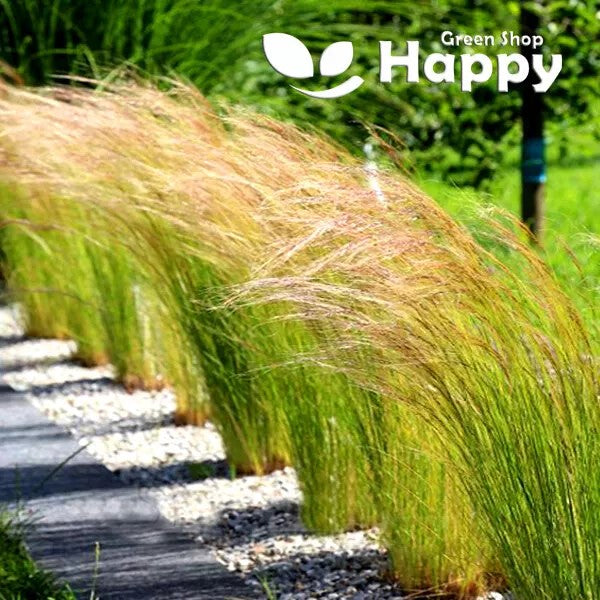
Mexican Feather Grass Seeds (Stipa tenuissima)
Mexican Feather Grass is a delicate and elegant ornamental grass known for its fine, wispy foliage and soft, flowing plumes. Its graceful movement in the wind and silvery-green foliage makes it a standout in borders, rock gardens, or naturalistic landscapes. This low-maintenance grass also works beautifully in cut and dried flower arrangements.
What Makes It Special
-
Ultra-fine, feathery foliage that sways with the breeze
-
Creates a soft, flowing texture in gardens and containers
-
Adds a naturalistic, meadow-like effect
-
Excellent for fresh or dried floral arrangements
Key Features
-
Botanical name: Stipa tenuissima
-
Common name: Mexican Feather Grass
-
Seed count: Approx. seeds per pack
-
Height/Spread: 30–60 cm tall, 20–40 cm spread
-
Position: Full sun, well-drained soil
-
Flowering period: Summer
-
Lifespan: Annual or short-lived perennial in mild climates
Ideal For
-
Ornamental borders and rock gardens
-
Containers and patio pots
-
Naturalistic or meadow-style plantings
-
Cut flowers and dried arrangements
-
Low-maintenance gardens with texture and movement
Sowing Instructions
-
When to sow: March–May outdoors after frost, or indoors 4–6 weeks earlier
-
How to sow:
-
Scatter seeds on prepared soil and press lightly
-
Do not cover too deeply; seeds need light for germination
-
Keep soil lightly moist until seedlings appear (14–21 days)
-
-
Spacing: Thin seedlings to 20–30 cm apart
-
Care: Very low-maintenance; tolerates dry, poor soils and full sun
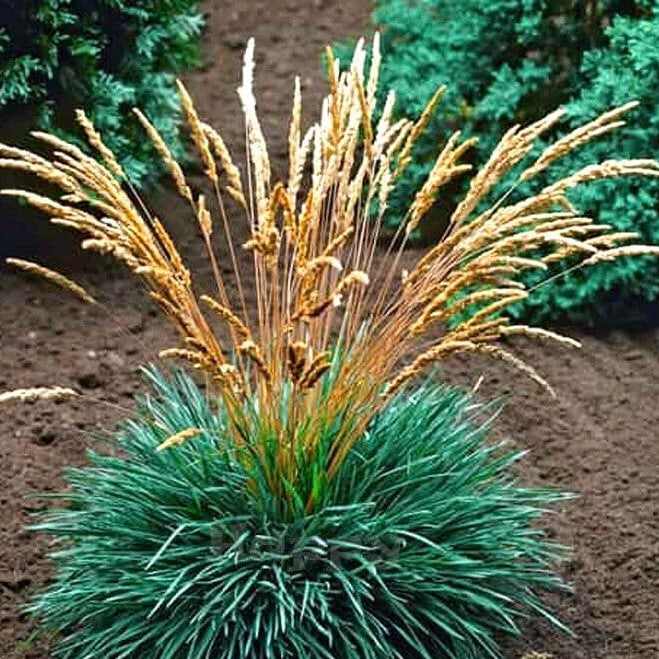
Blue Hair Grass – 300 Seeds (Koeleria glauca)
Add elegant texture and cool-toned color to your garden with Blue Hair Grass (Koeleria glauca). This compact, ornamental grass forms neat clumps of fine, silvery-blue foliage, topped with delicate seed heads in early summer. Its striking appearance makes it ideal for rock gardens, borders, containers, or as a soft contrast among colorful flowers. Hardy and drought-tolerant, it’s a reliable choice for low-maintenance landscapes.
Why Grow Blue Hair Grass?
-
Attractive silvery-blue foliage year-round
-
Airy seed heads add movement and lightness
-
Compact and low-growing, perfect for edging or containers
-
Tolerant of poor, sandy, or dry soils
-
Low-maintenance and hardy perennial
Key Features
-
Type: Perennial ornamental grass
-
Height: 30–40 cm
-
Spread: 25–30 cm
-
Position: Full sun; well-drained soil
-
Uses: Rock gardens, borders, containers, ground cover, naturalistic plantings
Ideal For
-
Adding texture and color contrast to mixed plantings
-
Drought-tolerant, low-care gardens
-
Coastal and gravel gardens
-
Stylish modern landscaping
Sowing & Growing
-
Sow indoors: February–April in trays of moist compost, lightly covering the seed
-
Germination: 14–28 days at 18–22°C
-
Transplant seedlings when large enough to handle
-
Plant out after frost, spacing 25 cm apart
-
Flowers and produces seed heads in early summer
Ornamental Rice ‘Black Madras’ – Seeds (Oryza sativa)
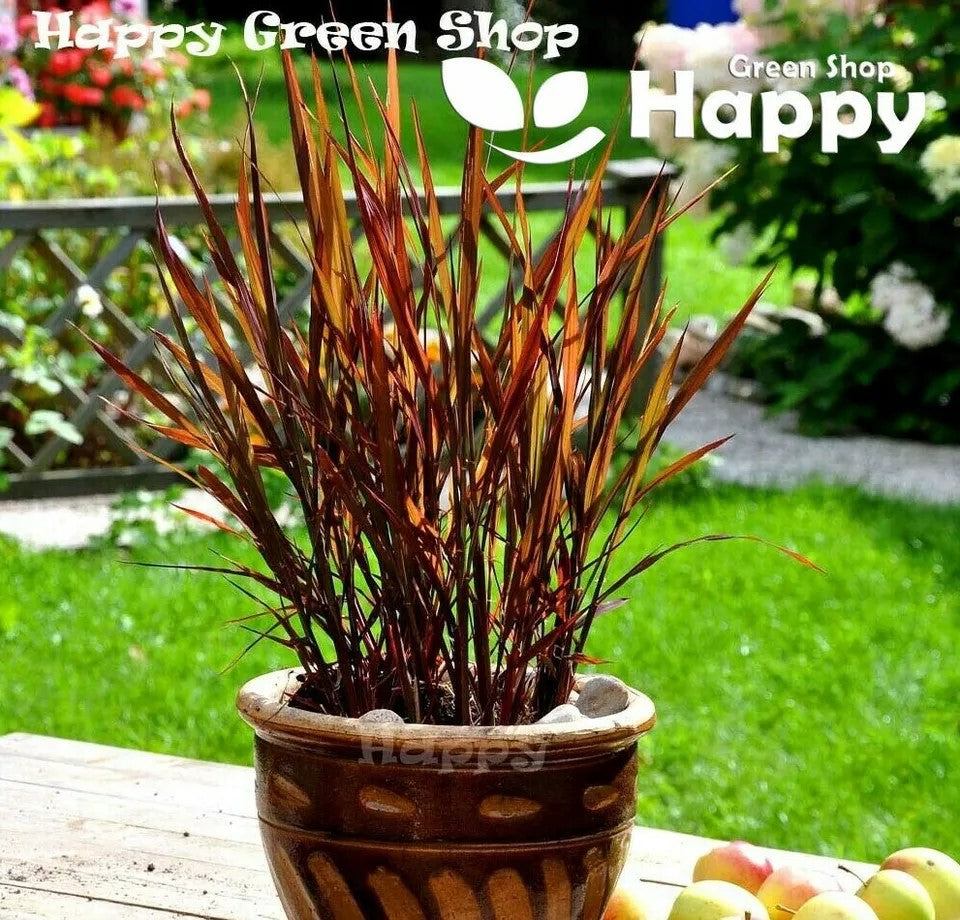
Add striking contrast to your garden with Ornamental Rice ‘Black Madras’, a unique variety prized for its deep purple-black foliage and upright, grass-like habit. Its dramatic color makes it an excellent accent in borders, containers, and water gardens. While not grown for grain, this ornamental rice provides bold texture and contrast to flowering plants.
Why Grow ‘Black Madras’?
-
Unique dark purple-black leaves
-
Upright, grass-like growth habit
-
Stunning contrast in borders and pots
-
Low-maintenance and fast-growing
Key Features
-
Type: Ornamental grass (annual in cool climates)
-
Height: 40–50 cm
-
Foliage: Deep purple-black
-
Position: Full sun, moist soil
-
Use: Containers, mixed borders, water garden edges
Ideal For
-
Modern and tropical-style gardens
-
Containers and patio pots
-
Borders needing strong foliage contrast
-
Water garden or pond margins
Sowing & Growing
-
Sow indoors: March–April in warmth (20–25°C)
-
Germination: 14–21 days
-
Transplant outdoors after frost into moist soil or pots
-
Keep soil consistently damp for best foliage color
Tip: Plant in groups for maximum impact and combine with light-colored flowers for dramatic contrast.
Showing 9/15


