
Sort by:
15 products
15 products
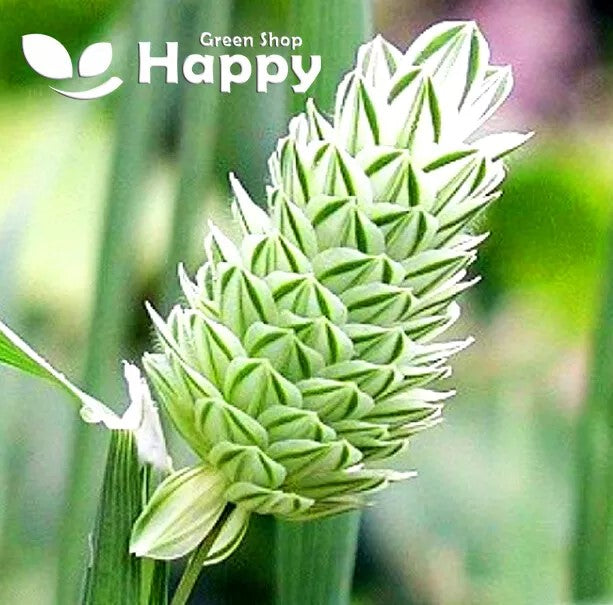
Canary Grass Seeds (Phalaris canariensis)
Canary Grass is a fast-growing annual grass valued both as an ornamental plant and as a seed source for cage birds such as canaries, finches, and budgerigars. With its upright stems and dense, oval-shaped seed heads, it adds texture to gardens and is especially popular for wildlife plots and dried floral arrangements.
What Makes It Special
-
Produces dense, oval-shaped seed heads attractive in borders and dried bouquets
-
Seeds are highly nutritious, making it an excellent choice for bird feed
-
Quick and easy to grow, even for beginners
-
Thrives in most soils with minimal care
Key Features
-
Botanical name: Phalaris canariensis
-
Common name: Canary Grass
-
Seed count: Approx. seeds per pack
-
Height/Spread: 60–120 cm tall, 20–40 cm spread
-
Position: Full sun, well-drained soil
-
Flowering/Seeding period: Summer to early autumn
-
Lifespan: Annual grass
Ideal For
-
Bird seed production (canaries, finches, budgerigars)
-
Ornamental borders
-
Fresh and dried floral arrangements
-
Wildlife-friendly gardens
-
Agricultural use as a grain crop
Sowing Instructions
-
When to sow: March–May outdoors after frost, or under cover earlier for transplanting
-
How to sow:
-
Sow directly into prepared soil in a sunny location
-
Cover lightly with soil (0.5–1 cm deep)
-
Water gently to keep soil moist until germination (7–14 days)
-
-
Spacing: Thin or transplant seedlings 20–30 cm apart
-
Care: Requires little maintenance; thrives in sun and tolerates a range of soils
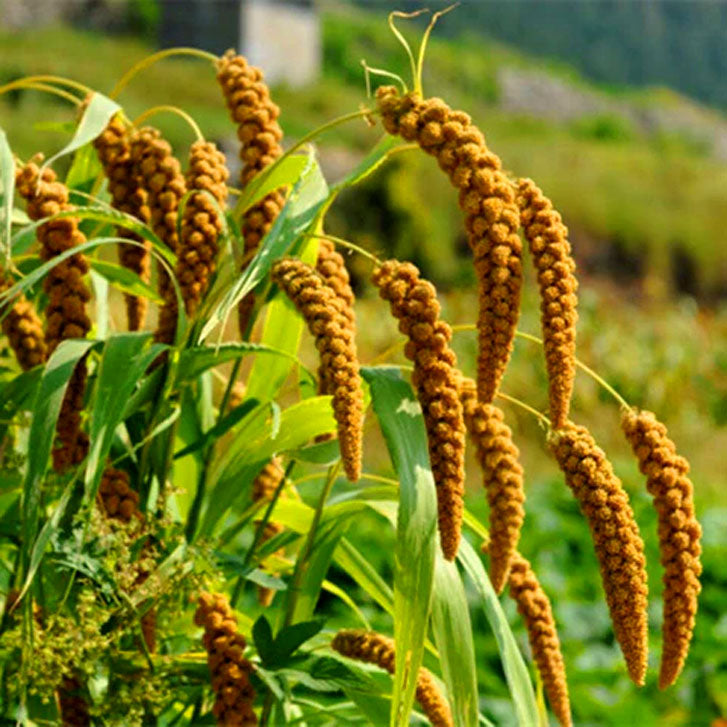
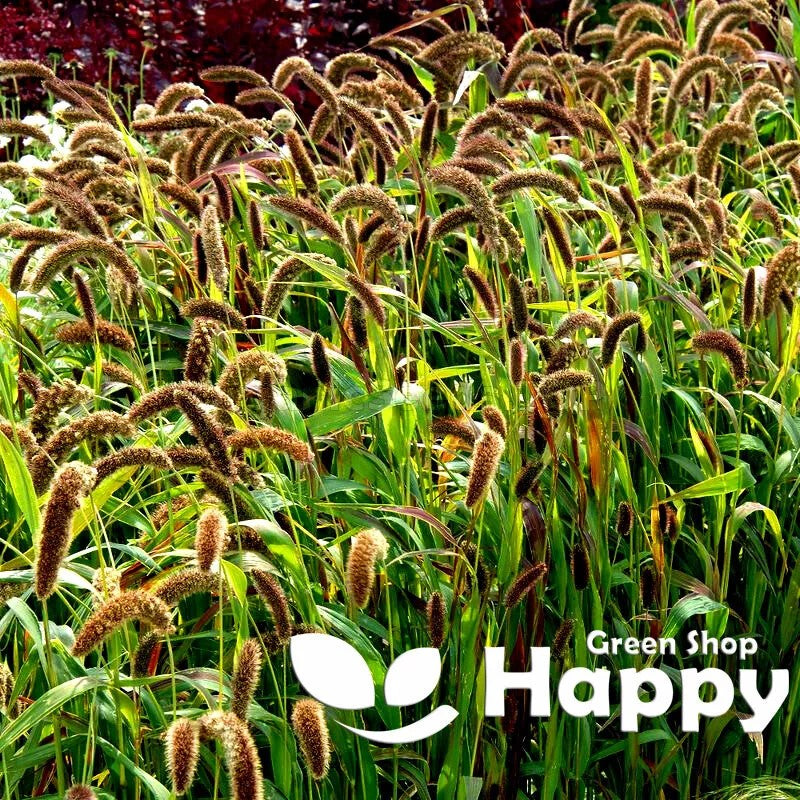
Foxtail Millet Seeds (Setaria italica)
Foxtail Millet is an ornamental and agricultural grass grown for its distinctive bushy, bottlebrush-like seed heads that resemble a fox’s tail. It is valued for both decorative use in floral arrangements and as a grain crop for food, birdseed, and forage. Its tall, upright stems and graceful flower spikes add structure and texture to garden borders, wildlife plots, and dried bouquets.
What Makes It Special
-
Produces attractive foxtail-like seed heads
-
Versatile: grown for ornamental, edible, and forage uses
-
Excellent for dried or fresh floral arrangements
-
Easy to grow, drought-tolerant and hardy
Key Features
-
Botanical name: Setaria italica
-
Common name: Foxtail Millet
-
Seed count: Approx. seeds per pack
-
Height/Spread: 90–150 cm tall, 30–50 cm spread
-
Position: Full sun, well-drained soil
-
Flowering period: Summer to autumn
-
Lifespan: Annual grass
Ideal For
-
Ornamental borders
-
Fresh and dried floral arrangements
-
Wildlife gardens (birds love the seed heads)
-
Grain production and forage
-
Naturalistic or prairie-style planting
Sowing Instructions
-
When to sow: April–June outdoors after frost, or start indoors 4–6 weeks earlier
-
How to sow:
-
Sow directly into well-drained soil in a sunny spot
-
Cover lightly with soil (depth 0.5–1 cm)
-
Keep moist until germination (7–14 days)
-
-
Spacing: Thin or transplant to 30–40 cm apart
-
Care: Low maintenance; thrives in heat and tolerates dry soil once established

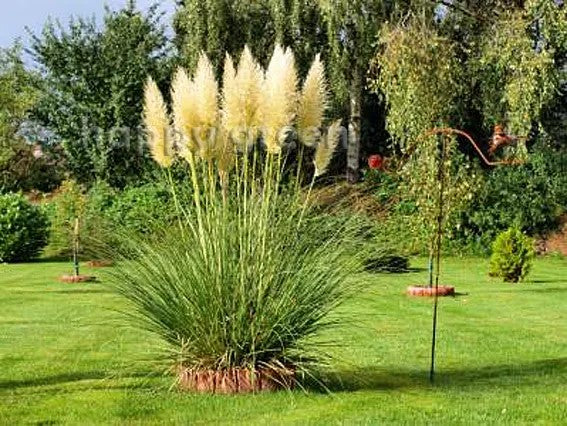
Pampas Grass Seeds (Cortaderia selloana)
Pampas Grass is one of the most iconic ornamental grasses, valued for its dramatic height, lush foliage, and striking feathery plumes that sway elegantly in the wind. A real statement plant, it is perfect as a focal point in gardens, borders, or large containers. Its plumes can also be dried and used in floral arrangements, wreaths, and modern interior décor.
What Makes It Special
-
Tall, architectural grass with stunning feathery plumes
-
Creates dramatic structure and movement in the garden
-
Drought-tolerant and hardy once established
-
Plumes can be cut and dried for long-lasting indoor decoration
Key Features
-
Botanical name: Cortaderia selloana
-
Common name: Pampas Grass
-
Seed count: Approx. seeds per pack
-
Height/Spread: Up to 2.5 m tall, 1.5–2 m spread
-
Position: Full sun; fertile, well-drained soil
-
Flowering period: Late summer to autumn
-
Lifespan: Hardy perennial grass
Ideal For
-
Garden focal points and landscaping
-
Large borders and wildlife-friendly planting
-
Coastal gardens (tolerates wind and salt)
-
Architectural garden design
-
Cutting and drying for indoor decoration
Sowing Instructions
-
When to sow: February–April indoors, or May–June outdoors after frost
-
How to sow:
-
Sow on the surface of moist seed compost – do not cover (needs light to germinate)
-
Keep at 18–22°C, germination may take 2–4 weeks
-
-
Transplant: Move seedlings to individual pots when large enough to handle
-
Planting out: Harden off and plant outdoors in a sunny, sheltered spot with space to grow
-
Care: Water young plants well. Once established, Pampas Grass is drought-tolerant. Cut back old foliage in late winter to make way for fresh growth.
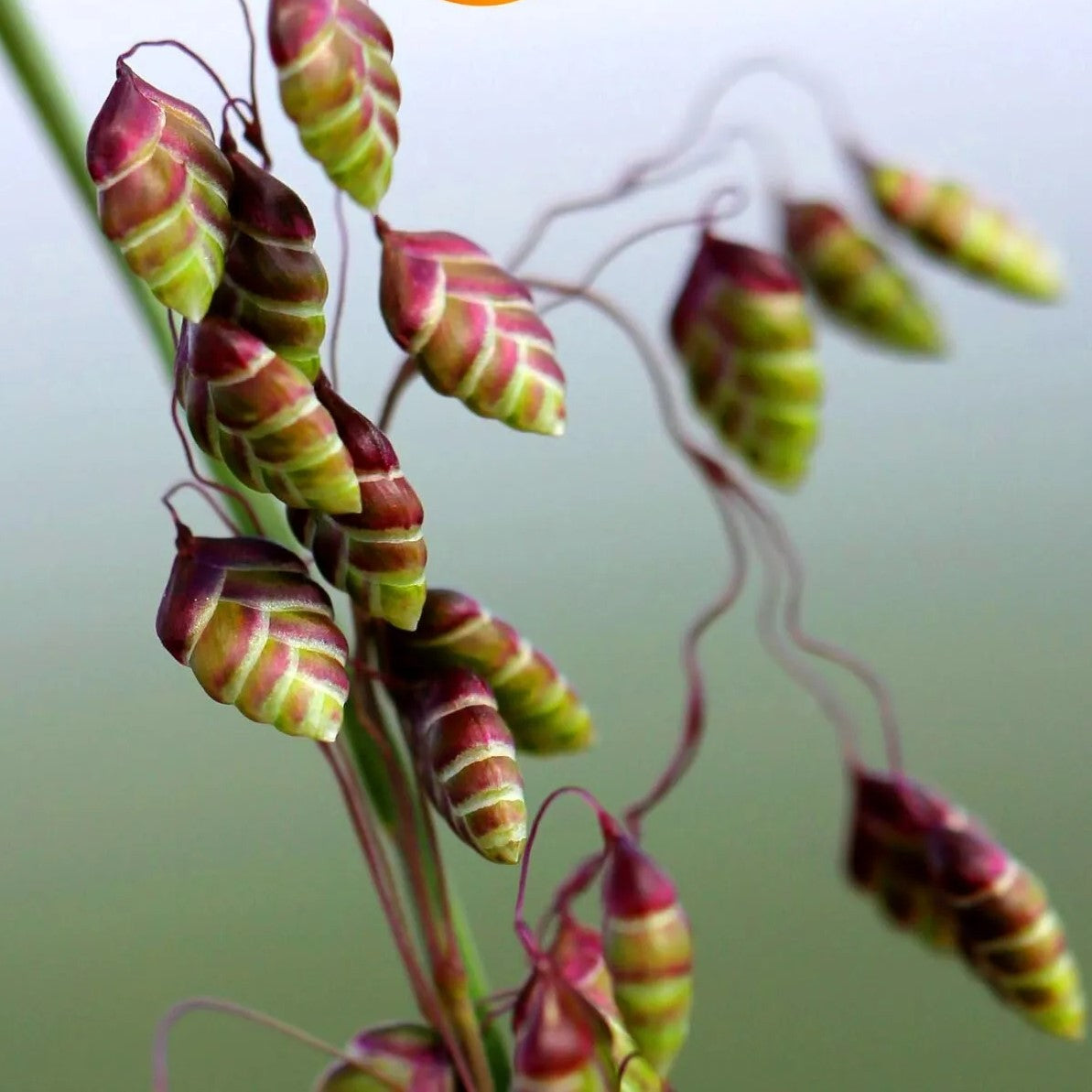
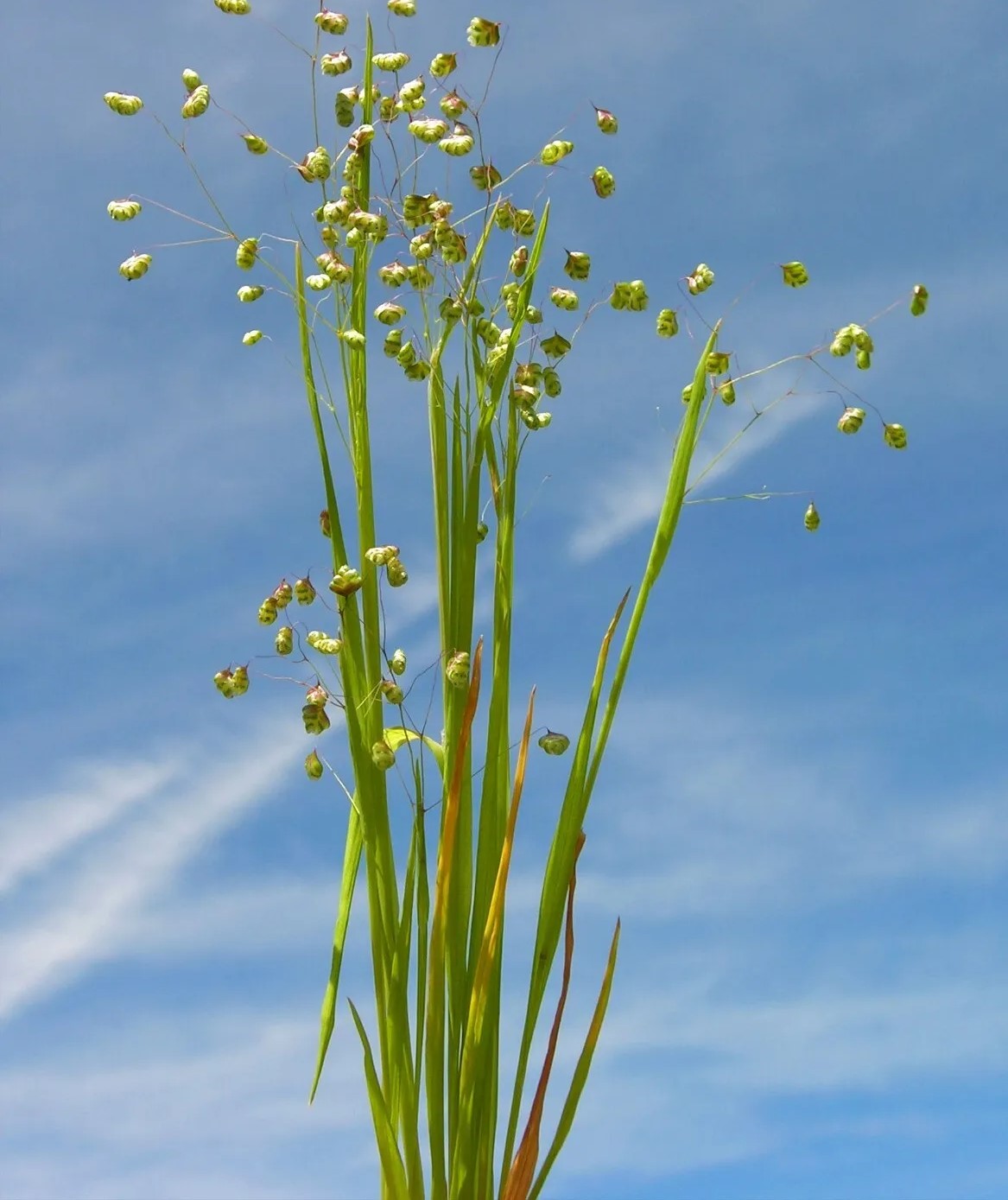
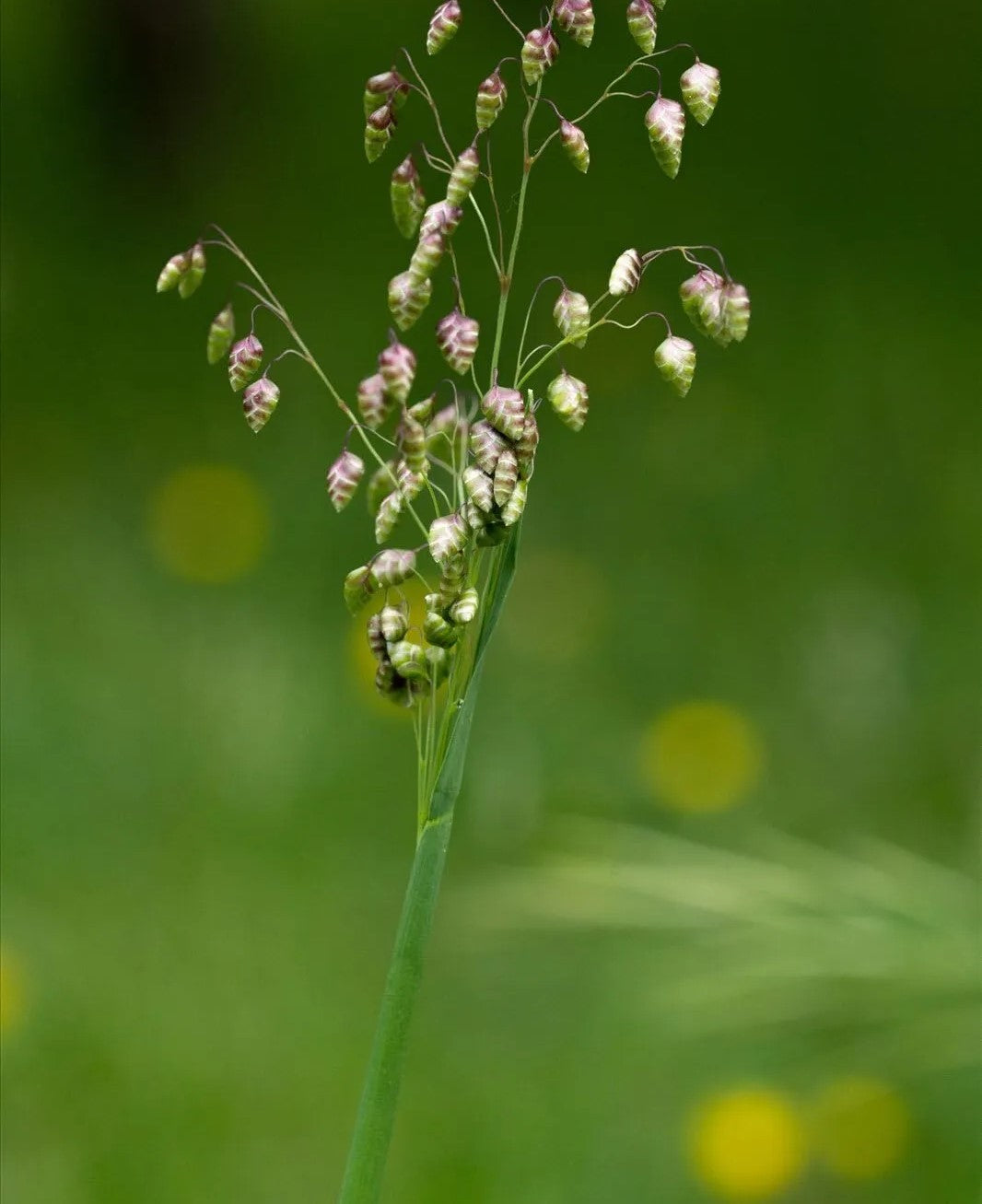
Quaking Grass Seeds (Briza minor)
Quaking Grass is a delicate, annual ornamental grass with airy, heart-shaped seed heads that tremble and shimmer in the breeze. Its fine texture and graceful movement add charm to borders, wildflower meadows, and container plantings. Easy to grow, it also makes attractive cut or dried arrangements.
What Makes It Special
-
Light, quivering heart-shaped seed heads
-
Adds texture and movement to gardens
-
Excellent for cut flowers and dried arrangements
Key Features
-
Botanical name: Briza minor
-
Hardy annual
-
Height: 30–50 cm (12–20 in)
-
Bloom time: Summer
Ideal For
-
Cottage gardens, borders, and wildflower meadows
-
Containers and pots
-
Fresh or dried flower arrangements
Sowing
-
Sow outdoors Mar–May or Sep–Oct
-
Lightly press seeds into soil; do not cover heavily
-
Germination: 10–21 days at 15–20°C
-
Thin seedlings 15–20 cm apart
-
Flowers in the same year
Love Grass – Ornamental Grass Seeds
(Eragrostis elegans)
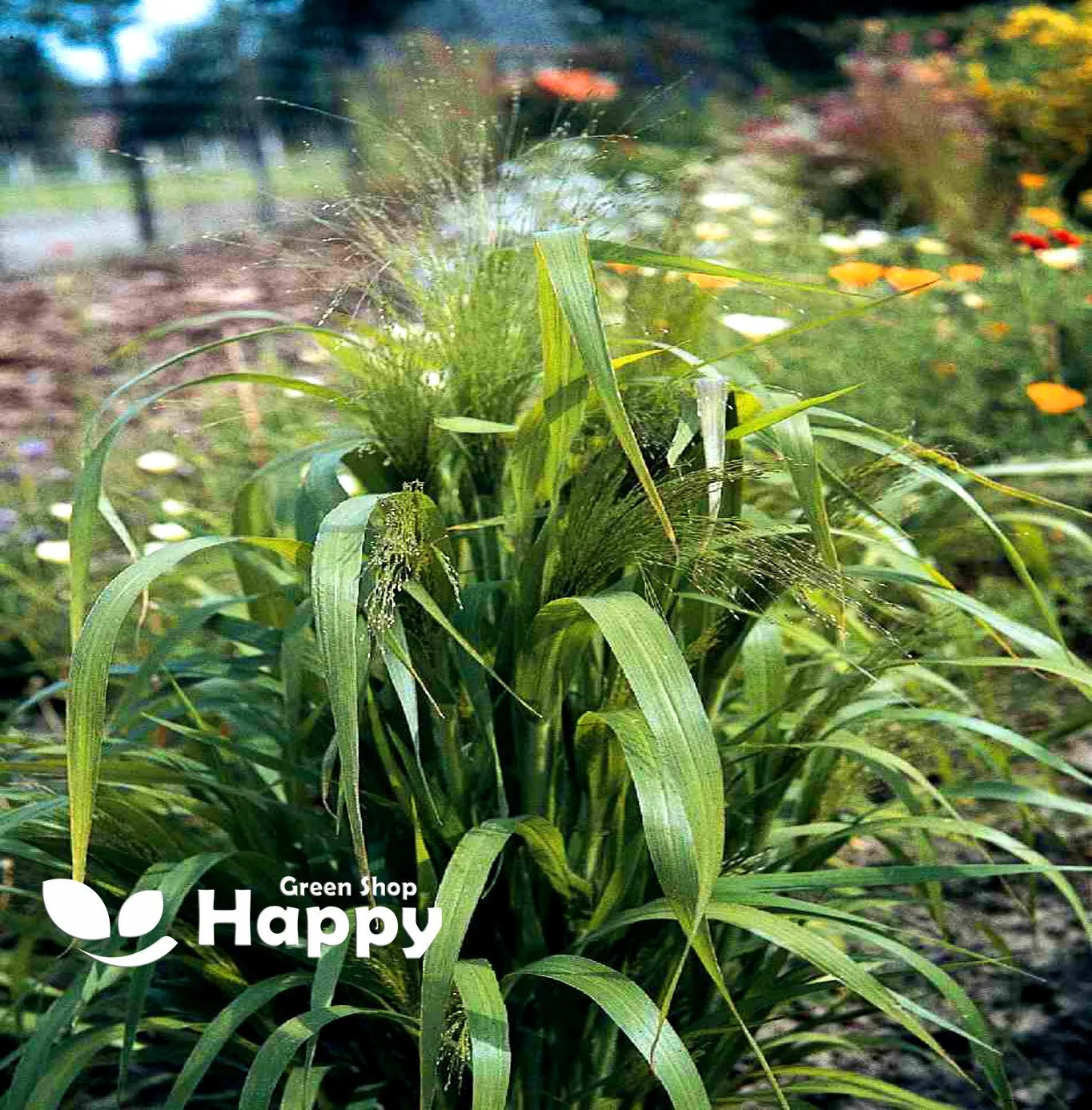
The Love Grass (Eragrostis elegans) is a graceful, airy ornamental grass valued for its fine, delicate seed heads that shimmer in the breeze. Its soft, cloud-like sprays add a romantic, light texture to borders, wildflower gardens, and floral arrangements. Easy to grow and quick to establish, this annual grass also makes a beautiful addition to bouquets and dried flower crafts.
Key Features
-
Type: Annual ornamental grass
-
Height: 50–70 cm
-
Spread: 25–30 cm
-
Flowering/seed heads: July–October
-
Position: Full sun
-
Soil: Light, well-drained
Ideal For
-
Adding texture to borders and beds
-
Wildflower-style plantings
-
Cut flower arrangements (fresh or dried)
-
Naturalistic and prairie-style gardens
Sowing & Growing
-
Sow indoors: March–April (in trays or pots, lightly covered)
-
Sow outdoors: April–May (direct in prepared soil)
-
Sow depth: Lightly cover – fine seeds need minimal soil cover
-
Spacing: Thin to 20–25 cm apart
-
Care: Low-maintenance; thrives in poor soil and tolerates drought once established
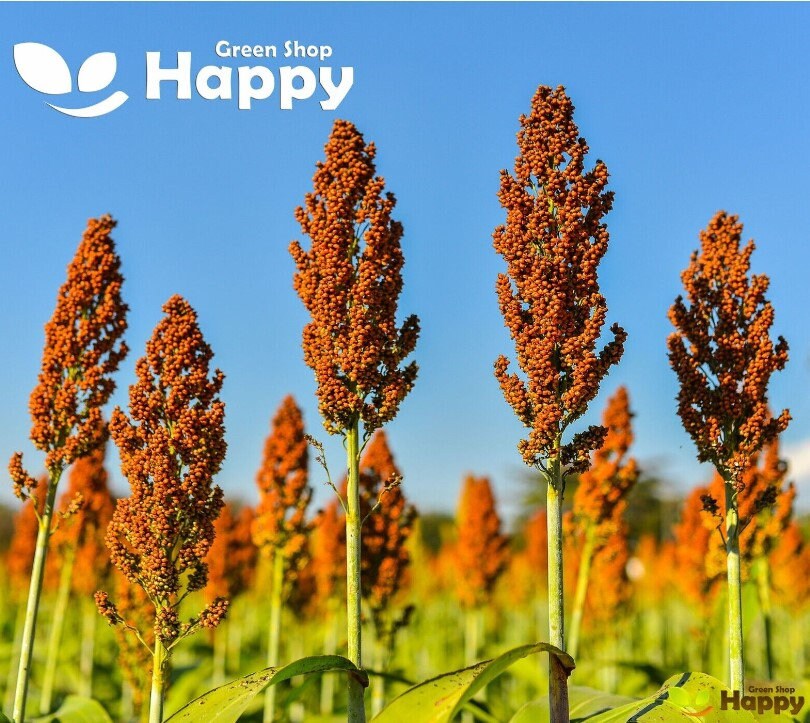
Black Millet Grass – Striking Seed Heads & Elegant Garden Texture
Bring dramatic elegance to your garden or floral designs with Black Millet Grass (Sorghum nigrum) – an ornamental grass prized for its tall, sturdy stems and deep purple-black seed heads. A favourite in both fresh and dried arrangements, Black Millet also attracts birds and beneficial insects, making it a stunning and functional addition to your outdoor space.
What Makes It Special
-
Rich, dark seed heads that stand out in borders and arrangements
-
Adds height, structure, and movement to the garden
-
Long-lasting in both fresh and dried floral designs
-
Attracts birds and pollinators
-
Heat and drought tolerant – thrives in summer conditions
Key Features
-
Height: 90–150 cm – adds vertical drama to plantings
-
Dark, glossy seed heads for striking contrast
-
Low-maintenance and easy to grow from seed
-
Excellent cut flower and dried material
-
Bird-friendly and pollinator-attracting
Ideal For
-
Borders & Backdrops – Adds height and texture to mixed plantings
-
Cut & Dried Flower Arrangements – Stylish and long-lasting
-
Wildlife Gardens – Provides food for birds
-
Modern Landscapes – Perfect for adding bold contrast to lighter blooms
Sowing
-
When to Sow: Spring, after the last frost, or start indoors 4–6 weeks earlier.
-
How to Sow: Sow seeds 0.5–1 cm deep in well-draining soil.
-
Germination Time: 7–14 days at 18–24°C.
-
Spacing: 25–30 cm apart to allow for mature growth.
-
Sunlight: Full sun for strongest color and tallest growth.
Grow Black Millet Grass for a garden that’s both sophisticated and wildlife-friendly!
Showing 15/15


