
Sort by:
161 products
161 products

Cape Daisy Mix Seeds (Venidium fastuosum)
Add long-lasting summer color with Cape Daisy Mix (Venidium fastuosum). This hardy annual produces vibrant daisy-like blooms in shades of yellow, orange, and gold, bringing brightness to borders, beds, and containers. Easy to grow and drought-tolerant once established, it attracts pollinators and provides a cheerful display throughout the season.
How to Grow
-
Sow seeds directly outdoors in spring after the last frost or indoors 4–6 weeks earlier.
-
Use well-drained soil in full sun.
-
Scatter seeds thinly and cover lightly with soil.
-
Keep soil moist until germination (10–14 days).
-
Thin seedlings to 25–30 cm apart once established.
-
Deadhead spent flowers regularly to encourage continuous blooming.
Key Features
-
Vibrant daisy-like blooms in yellow, orange, and gold shades
-
Long-flowering, hardy annual
-
Easy to grow and drought-tolerant
-
Ideal for borders, beds, and containers
-
Attracts bees, butterflies, and other pollinators
Ideal For
-
Flower beds and borders
-
Containers, patio planters, and window boxes
-
Pollinator-friendly gardens
-
Cottage and naturalized garden styles
Sowing
-
Best time: Spring outdoors or 4–6 weeks earlier indoors
-
Germination: 10–14 days
-
Sow thinly, cover lightly, and keep soil moist
-
Prefers full sun and well-drained soil
Quick Tip
-
Deadhead regularly to maintain vibrant blooms and encourage prolonged flowering.

Butterfly Wildflower Mix – 1g Seeds
Bring your garden to life with the Butterfly Wildflower Mix, specially selected to attract butterflies and other pollinators. This colorful blend combines hardy annuals and perennials that provide nectar-rich flowers from early summer through autumn. Easy to sow and low-maintenance, it creates a vibrant, wildlife-friendly display that supports biodiversity.
Why Grow Butterfly Wildflower Mix?
-
Specially formulated to attract butterflies
-
Long season of nectar-rich blooms
-
Easy to sow directly outdoors
-
Supports pollinators and biodiversity
Key Features
-
Type: Annuals and perennials mix
-
Height: 30–90 cm
-
Flowering: June–October
-
Position: Full sun
-
Coverage: 1 g covers approx. 1–2 m²
Ideal For
-
Wildlife and pollinator gardens
-
Naturalized areas and meadows
-
Cottage gardens and borders
-
Low-maintenance landscapes
Sowing & Growing
-
Sow outdoors: March–June or September
-
Rake soil to a fine tilth, scatter seeds evenly, cover lightly
-
Water gently until established
-
Thin seedlings where necessary
-
Allow some plants to self-seed for following years
Tip: For best results, sow in a sunny spot with poor to moderately fertile soil.

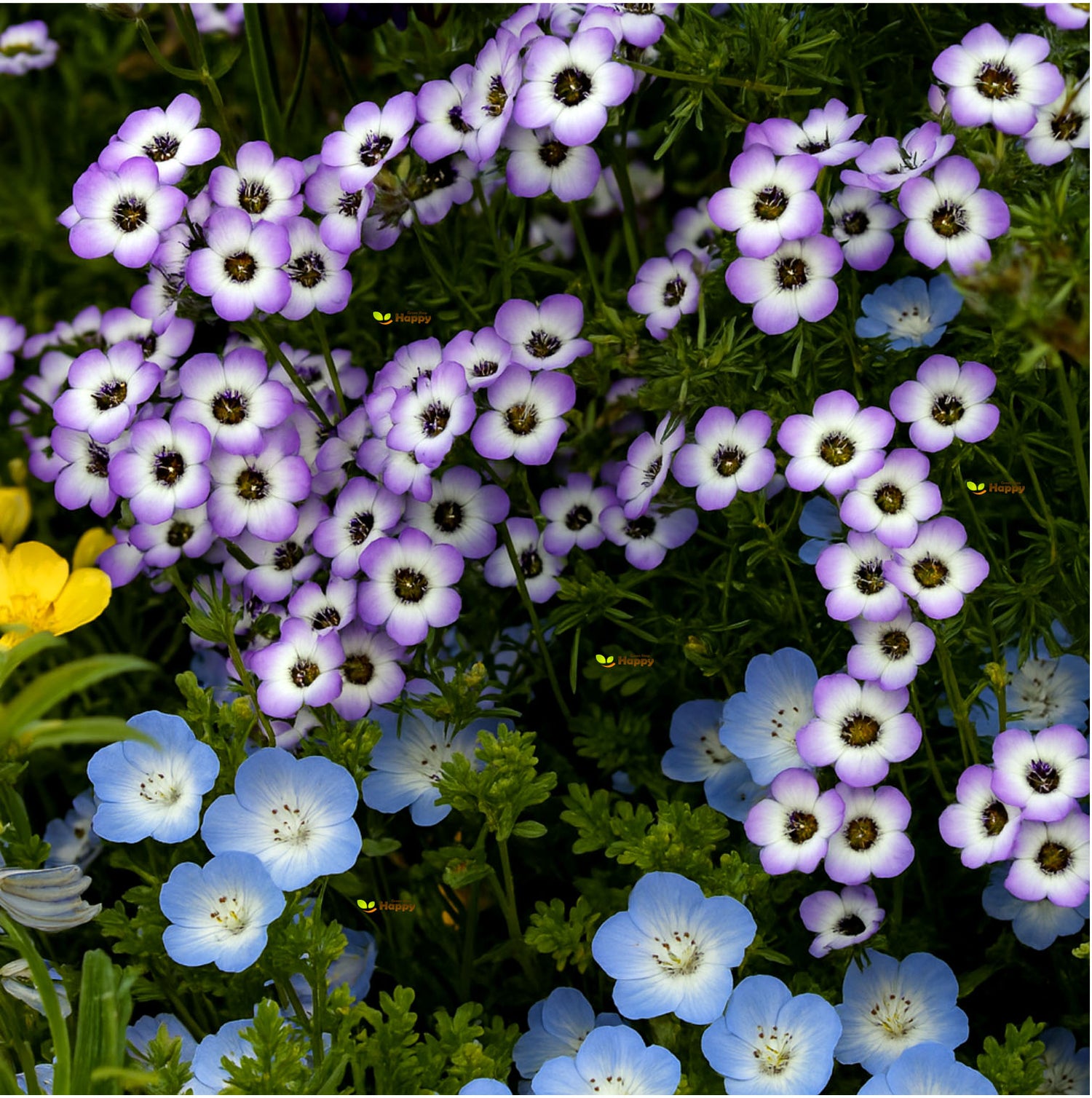
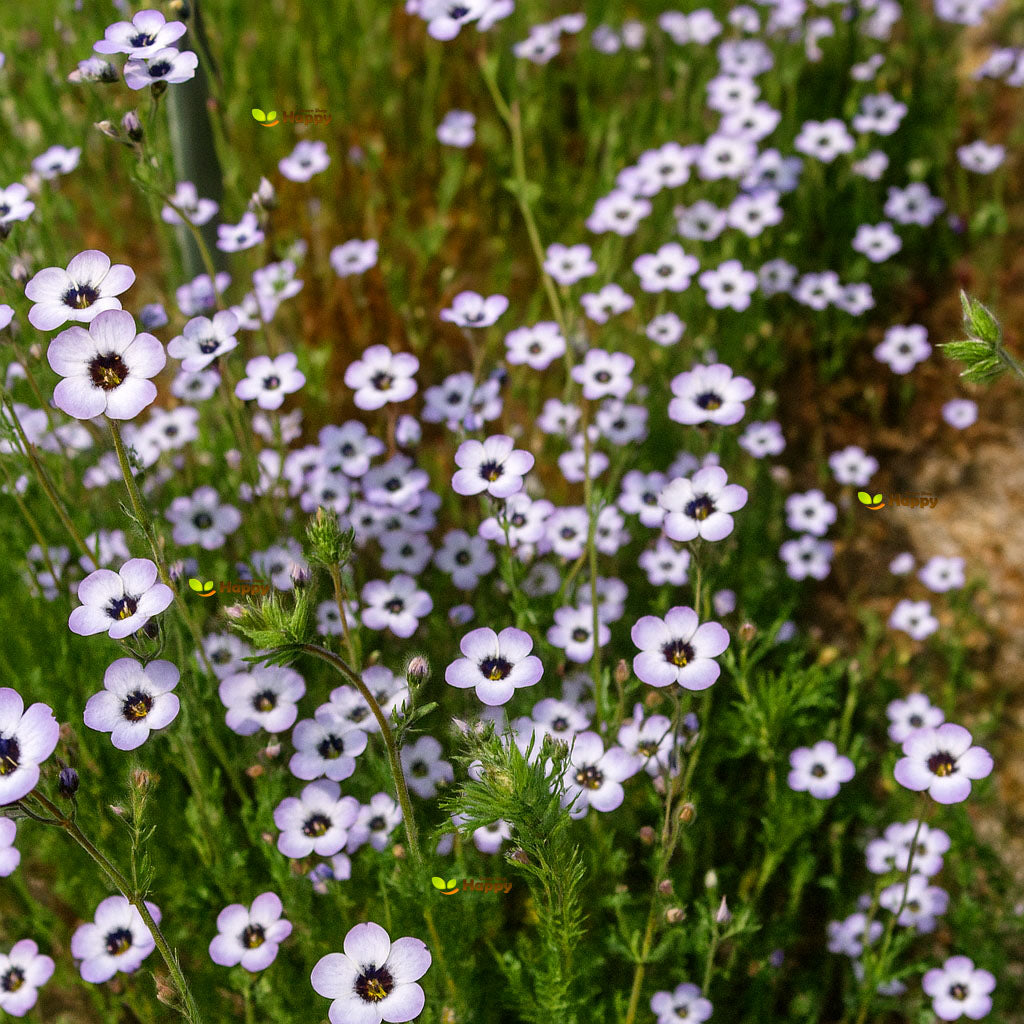
Bird’s Eyes – Seeds
(Gilia tricolor)
Bird’s Eyes (Gilia tricolor) is a delightful annual wildflower producing masses of small, trumpet-shaped blooms in shades of purple, lavender, and cream with golden throats. Compact and bushy, this variety creates cheerful, nectar-rich displays that attract bees and butterflies, perfect for naturalistic plantings and wildflower gardens.
Why Grow Bird’s Eyes?
-
Charming pastel blooms with golden centers
-
Compact and easy to grow annual
-
Excellent for pollinators
-
Long flowering season for summer color
Key Features
-
Type: Hardy annual
-
Height: 20–40 cm
-
Flowers: Late spring to summer
-
Position: Full sun
-
Soil: Light, sandy, well-drained
Ideal For
-
Wildflower gardens and meadows
-
Cottage garden borders
-
Pollinator-friendly planting
-
Containers and small garden spaces
Sowing & Growing
-
Sow outdoors: March–May or in autumn where they are to flower
-
Germination: 14–21 days at 15–20°C
-
Thin seedlings to 15–20 cm apart
-
Care: Prefers poor soils, minimal feeding required
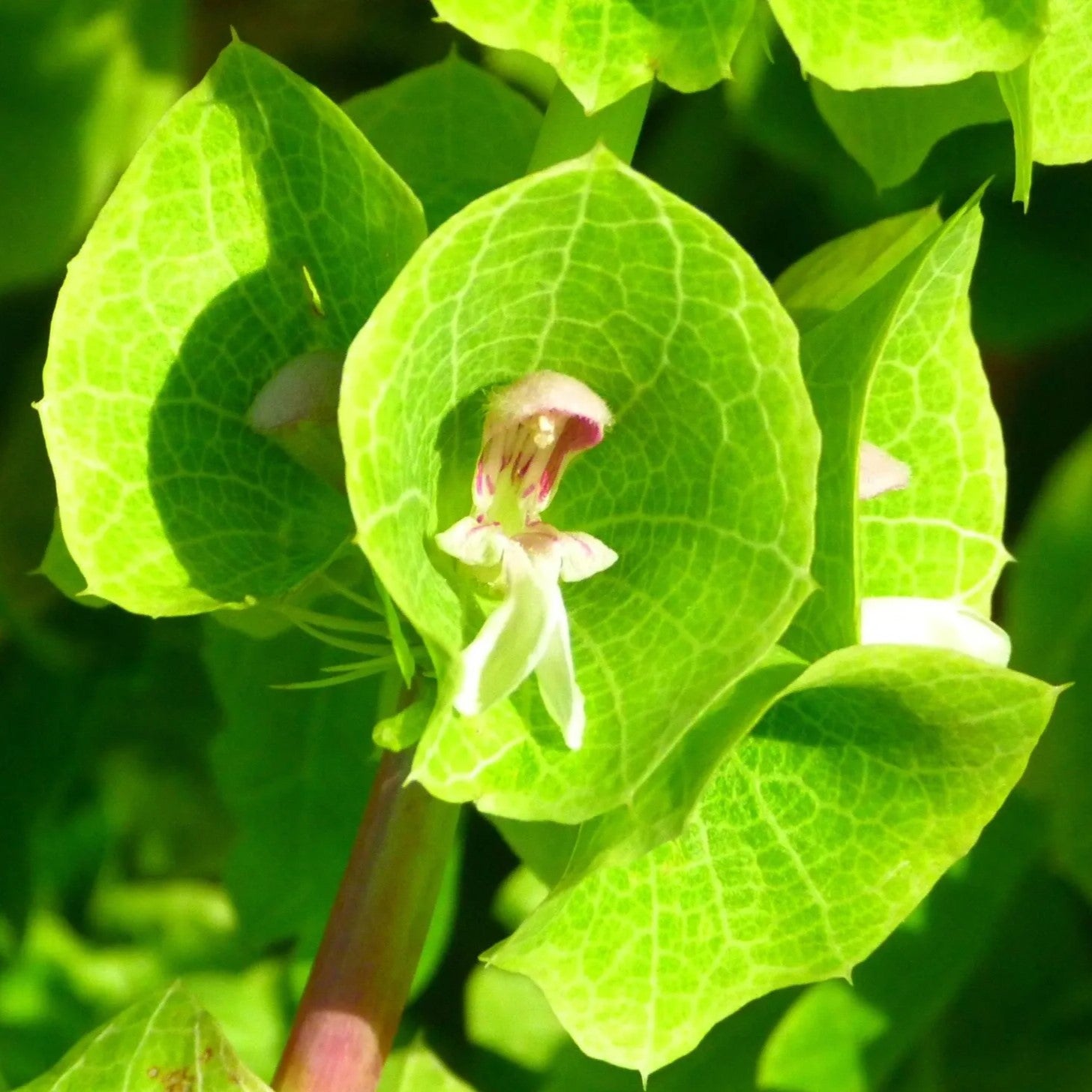
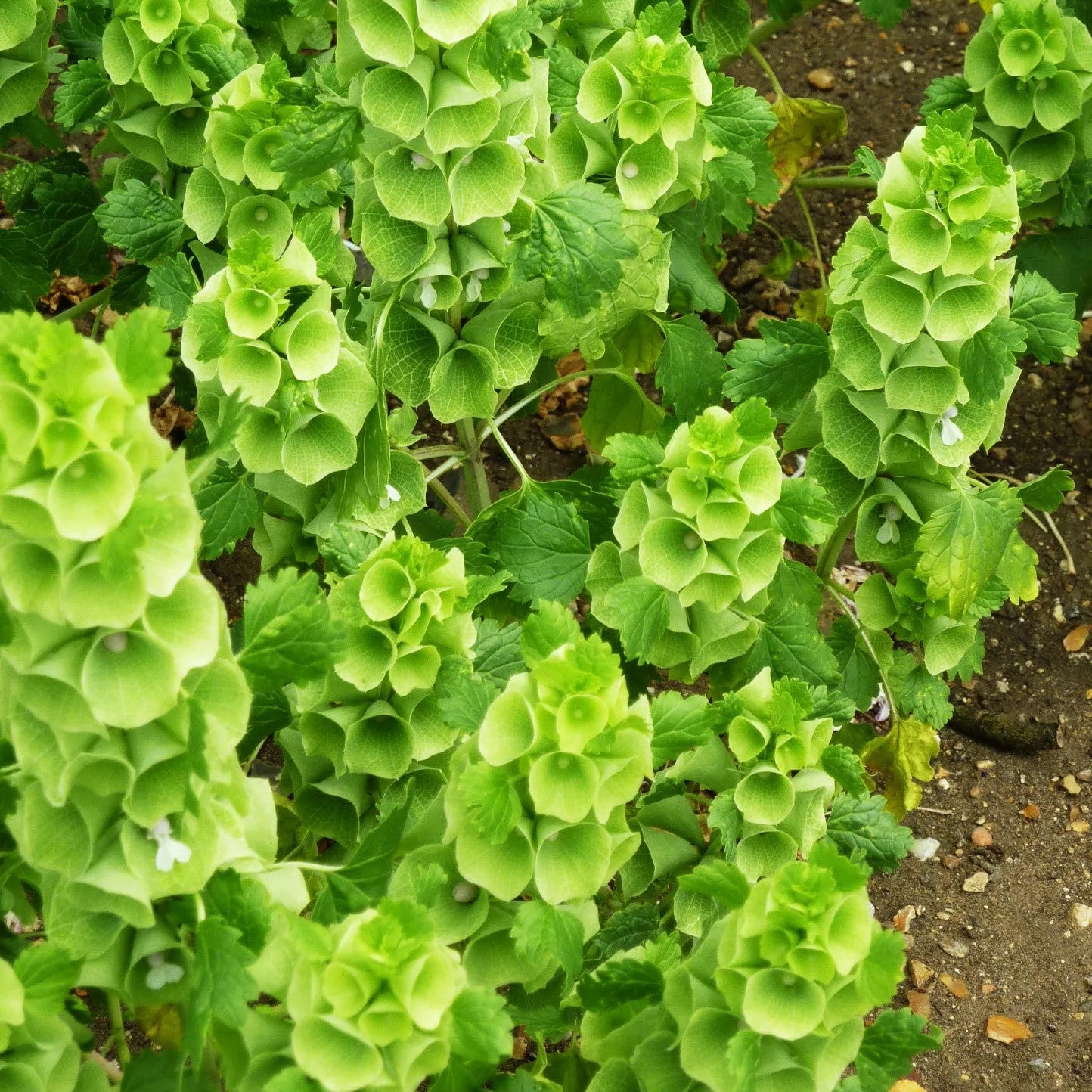
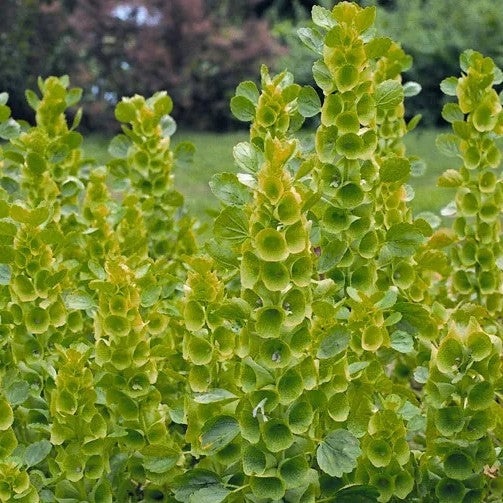
Bells of Ireland – Striking Green Spires for Garden and Bouquets
Bells of Ireland (Molucella laevis) produces tall, elegant green spires adorned with cup-shaped calyces, perfect for adding vertical interest to garden beds or floral arrangements. These hardy annuals are easy to grow and provide a unique, fresh green accent that lasts in bouquets.
What Makes It Special
-
Tall, elegant green spires
-
Unique cup-shaped calyces
-
Long-lasting in fresh or dried arrangements
-
Adds vertical interest to gardens and floral displays
Key Features
-
Hardy annual
-
Grows 60–90 cm tall
-
Blooms in mid to late summer
-
Thrives in full sun with well-drained soil
-
Excellent for cutting and drying
Ideal For
-
Garden borders and beds
-
Cut flowers and bouquets
-
Floral arrangements and decorations
-
Adding unique greenery to landscapes
Sowing
-
Sow indoors 6–8 weeks before last frost or direct outdoors after frost
-
Plant seeds 0.5–1 cm deep
-
Germination: 14–21 days at 18–22°C
-
Space 20–30 cm apart
-
Water moderately and ensure full sun

Trailing Lobelia Blue White Seeds (Lobelia pendula)
A vibrant trailing plant, Trailing Lobelia Blue White produces masses of delicate blue and white flowers all season long. Perfect for hanging baskets, containers, window boxes, and borders, this hardy annual adds cascading color and charm to gardens and patios.
What Makes It Special
-
Striking two-tone blue and white blooms
-
Trailing habit ideal for baskets, containers, and edging
-
Long flowering season, attracting pollinators
Key Features
-
Botanical name: Lobelia pendula
-
Hardy annual
-
Height: 15–20 cm (6–8 in), trailing up to 30–40 cm (12–16 in)
-
Bloom time: Late spring to autumn
Ideal For
-
Hanging baskets, window boxes, and containers
-
Garden borders and edging
-
Adding cascading color to patios and terraces
Sowing
-
Sow indoors Feb–Apr
-
Cover lightly with soil and keep moist
-
Germination: 10–21 days at 18–20°C
-
Transplant seedlings 15–20 cm apart
-
Flowers from late spring through autumn
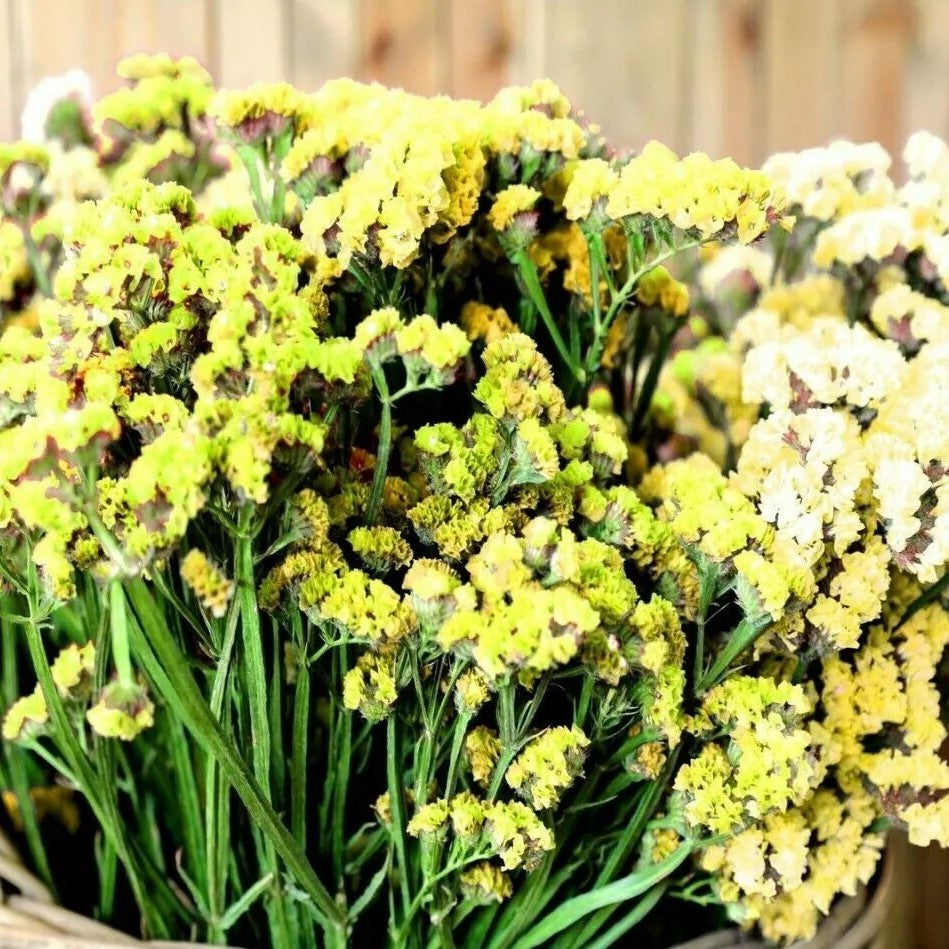
Statice Yellow Seeds (Limonium sinuatum)
Statice Yellow is a radiant everlasting flower, prized for its papery golden-yellow blooms that hold their vibrant color even after drying. A staple in cutting gardens and floristry, this hardy annual is excellent for fresh bouquets as well as long-lasting dried arrangements. With its sun-loving nature and tolerance to drought, Statice Yellow is both beautiful and practical.
What Makes It Special
-
Bright golden-yellow flowers with papery texture
-
One of the best everlasting blooms for drying
-
Long flowering season from summer into autumn
-
Tough, low-maintenance, and drought-resistant
Key Features
-
Botanical name: Limonium sinuatum
-
Variety: Yellow
-
Seed count: Approx. seeds per pack
-
Height/Spread: 60–75 cm tall, 25–30 cm spread
-
Position: Full sun; prefers sandy, well-drained soils
-
Flowering period: July–September
Ideal For
-
Fresh and dried cut flower arrangements
-
Cottage gardens and border displays
-
Florist-quality bouquets
-
Low-maintenance, drought-tolerant gardens
Sowing Instructions
-
When to sow: February–April indoors; outdoors after frost risk has passed
-
How to sow:
-
Sow on surface of moist compost, lightly cover with vermiculite
-
Maintain 18–20°C; germination in 10–20 days
-
-
Transplanting: Prick out seedlings, grow on, and harden off before planting 25–30 cm apart
-
Care: Prefers sunny, well-drained soil; avoid heavy watering
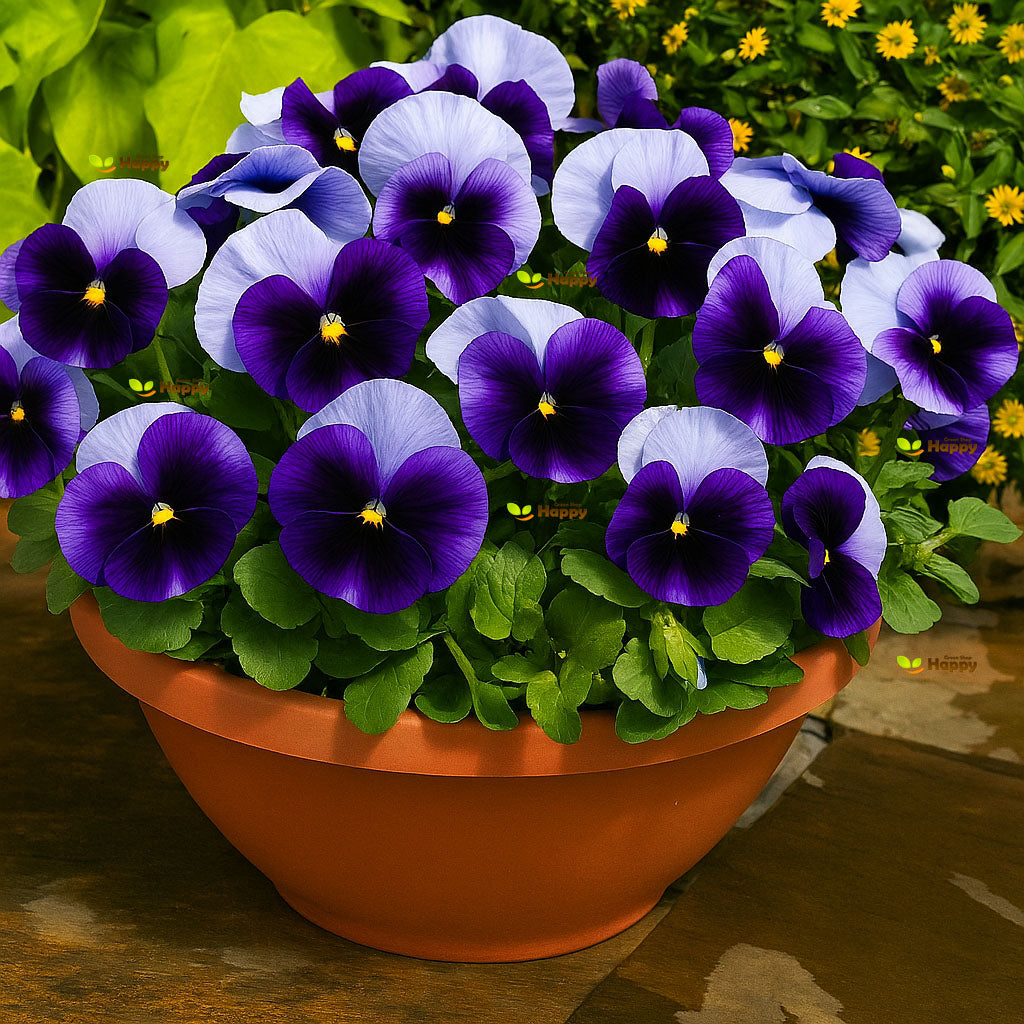
Pansy Swiss Giant ‘Lord Beaconsfield’ – Seeds (Viola wittrockiana)
Pansy Swiss Giant ‘Lord Beaconsfield’ is a hardy, vibrant annual that produces large, bold flowers in striking deep shades of violet, purple, and contrasting faces. Its compact, bushy growth habit makes it perfect for borders, containers, and bedding displays. Long-lasting and easy to grow, these pansies brighten spring and early summer gardens while attracting pollinators.
Why Grow "Lord Beaconsfield"
-
Large, bold flowers in deep violet and purple shades
-
Compact, bushy plants ideal for borders and containers
-
Long-lasting blooms throughout spring and early summer
-
Pollinator-friendly and easy to grow
Key Features
-
Type: Annual (Viola wittrockiana)
-
Height: 20–25 cm
-
Flowering: Spring to early summer
-
Position: Full sun to partial shade
-
Uses: Borders, containers, bedding displays, window boxes
Ideal For
-
Adding bold color to borders and beds
-
Container and patio planting
-
Window boxes and edging displays
-
Gardeners seeking hardy, long-flowering, easy-care plants
Sowing & Growing
-
Sow indoors: January–March at 15–20°C
-
Sow outdoors: After frost danger has passed
-
Germination: 10–14 days
-
Space seedlings: 20–25 cm apart
-
Prefers well-drained soil and full sun to partial shade
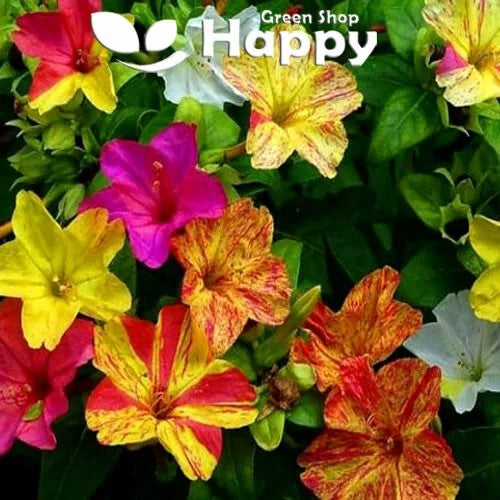
Four O’Clock Flower Mix – Colorful Evening Bloomers
The Four O’Clock Flower (Mirabilis jalapa) produces vibrant, fragrant blooms that open in the late afternoon, adding a splash of color to your garden when the sun starts to set. Easy to grow and low-maintenance, this mix offers a variety of cheerful colors that attract pollinators and delight the senses.
What Makes It Special
-
Blooms open in the late afternoon and evening
-
Fragrant, colorful flowers
-
Low-maintenance and easy to grow
-
Attracts butterflies and pollinators
Key Features
-
Hardy annual
-
Grows 60–90 cm tall
-
Flowers in summer and early autumn
-
Thrives in full sun to partial shade
-
Prefers well-drained soil
Ideal For
-
Garden borders and beds
-
Containers and patio planters
-
Evening garden displays
-
Attracting butterflies and pollinators
Sowing
-
Sow indoors 6–8 weeks before last frost or direct after frost risk passes
-
Plant seeds 1–2 cm deep
-
Germination: 7–14 days at 20–25°C
-
Space 30–40 cm apart
-
Water regularly and ensure full sun to partial shade
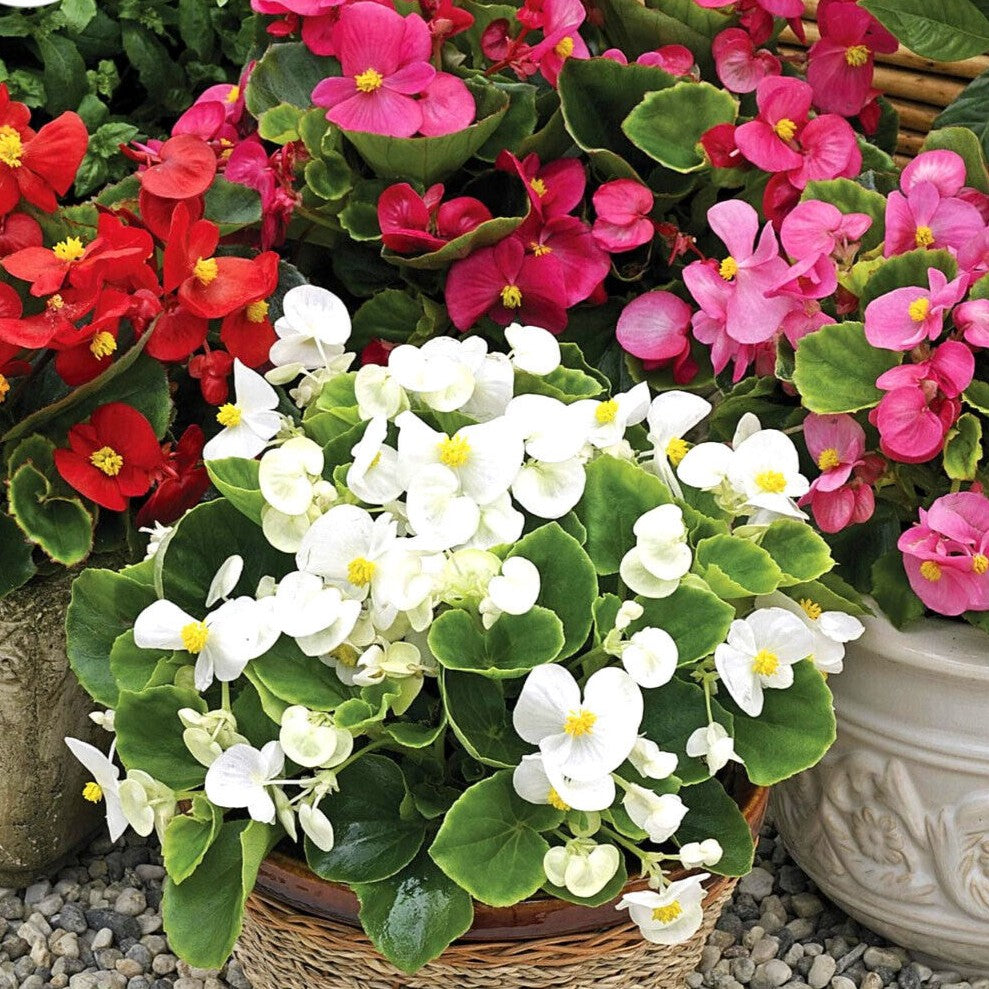
Wax Begonia Dwarf Mix – Seeds (Begonia semperflorens)
Wax Begonia Dwarf Mix is a compact, easy-to-grow annual that delivers masses of blooms in shades of red, pink, and white. With glossy green foliage and long-lasting flowers, it thrives in beds, borders, or containers. Heat- and drought-tolerant, it’s the perfect choice for effortless summer color.
Why Grow "Wax Begonia Dwarf Mix"
-
Continuous blooms in vibrant shades
-
Compact, low-maintenance growth
-
Tolerant of heat and dry conditions
-
Perfect for edging and containers
Key Features
-
Type: Half-hardy annual (Begonia semperflorens)
-
Height: 15–25 cm
-
Flowering: June–October
-
Position: Full sun or partial shade
-
Uses: Bedding, edging, patio pots, containers
Ideal For
-
Borders and edging
-
Patio containers and window boxes
-
Low-maintenance summer planting
-
Adding vibrant color to small spaces
Sowing & Growing
-
Sow indoors: January–March (surface sow, do not cover)
-
Germination: 14–21 days at 20–24°C
-
Transplant seedlings to 20 cm spacing
-
Harden off and plant outdoors after frost
-
Pinch tips to encourage bushy growth
Showing 108/161


