
Sort by:
36 products
36 products
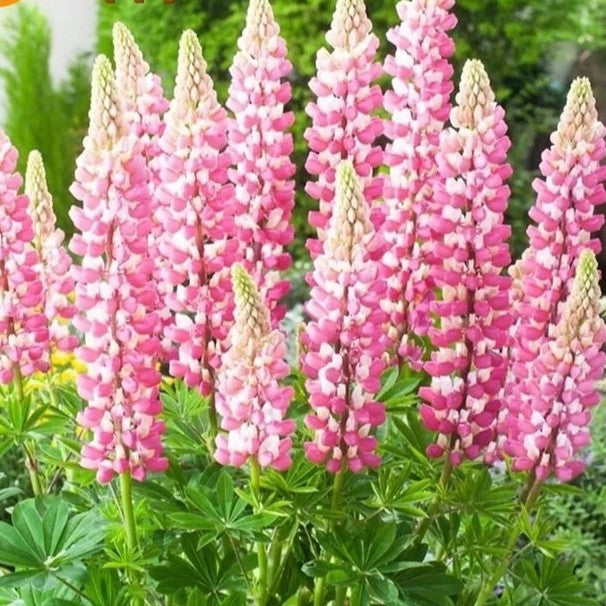
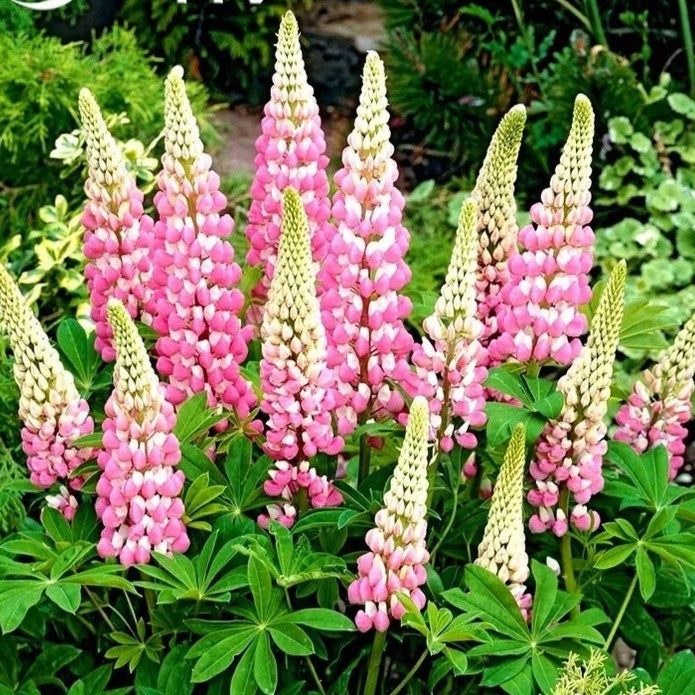
Russell Lupin ‘Chatelaine Pink’ Seeds (Lupinus polyphyllus)
Add romantic charm to your garden with Russell Lupin ‘Chatelaine Pink’ (Lupinus polyphyllus). This hardy perennial produces tall spires of soft pink flowers that rise above lush green foliage, creating a dramatic vertical display. Ideal for borders, cottage gardens, and cut flower arrangements, it blooms from early to mid-summer and attracts pollinators to your garden.
How to Grow
-
Sow indoors in spring or autumn, or directly outdoors after the last frost.
-
Soak seeds in warm water overnight before sowing to improve germination.
-
Use well-drained soil in full sun or partial shade.
-
Cover seeds lightly with soil and keep moist until germination (14–28 days).
-
Transplant seedlings when large enough to handle, spacing 40–50 cm apart.
-
Deadhead spent blooms to encourage a second flowering.
Key Features
-
Tall spires of soft pink blooms for striking vertical accents
-
Hardy perennial, returning year after year
-
Excellent for borders, cottage gardens, and cut flowers
-
Attracts bees, butterflies, and other pollinators
-
Long-flowering, from early to mid-summer
Ideal For
-
Cottage gardens and mixed flower borders
-
Pollinator-friendly landscapes
-
Adding height and structure to garden plantings
-
Fresh cut flower arrangements
Sowing
-
Best time: Spring or autumn
-
Germination: 14–28 days
-
Pre-soak seeds overnight before sowing
-
Prefers sunny, well-drained soil
Quick Tip
-
Avoid disturbing established plants—lupins prefer to remain in place for best performance.
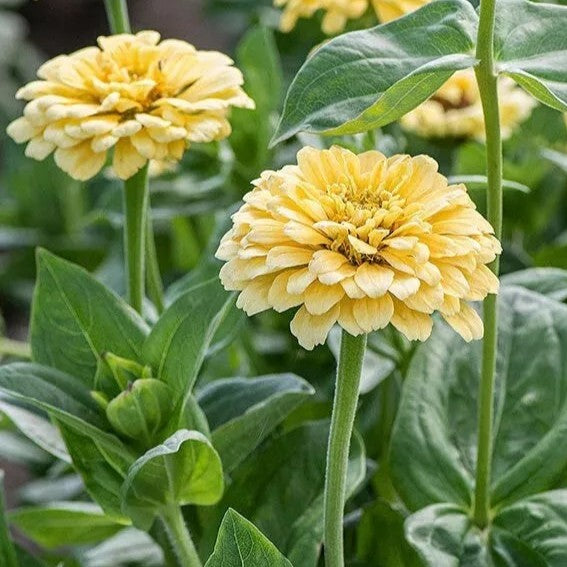
Zinnia Dahliaflowered ‘Isabellina’ Seeds (Zinnia elegans)
Bring soft elegance to your garden with Zinnia Dahliaflowered ‘Isabellina’ (Zinnia elegans). This annual produces large, dahlia-like blooms in delicate pastel shades of cream and soft pink, creating a subtle yet striking display in borders, beds, and containers. Easy to grow and long-flowering, it’s perfect for adding charm and color to summer and autumn gardens.
How to Grow
-
Sow indoors in early spring or directly outdoors after the last frost.
-
Use well-drained soil in a sunny location.
-
Lightly cover seeds with soil and keep moist until germination (7–14 days).
-
Thin seedlings to 20–25 cm apart for healthy growth.
-
Water regularly but avoid waterlogging.
-
Deadhead spent blooms to encourage continuous flowering.
Key Features
-
Large, dahlia-like flowers in soft pastel shades
-
Long-flowering annual, summer through autumn
-
Easy to grow and maintain, ideal for beginners
-
Perfect for fresh cut flowers and bouquets
-
Attracts pollinators including bees and butterflies
Ideal For
-
Flower beds and borders
-
Containers, patio planters, and window boxes
-
Cutting gardens for fresh bouquets
-
Pollinator-friendly gardens
Sowing
-
Best time: Early spring indoors or after frost outdoors
-
Germination: 7–14 days
-
Sow thinly, cover lightly, and keep soil moist
-
Prefers full sun and well-drained soil
Quick Tip
-
Regular deadheading keeps blooms fresh and encourages continuous flowering.

Zinnia 'Super Cactus Redman' - 50 Seeds - Extra Large Flowers (Zinnia elegans)
£1.24
Unit price perZinnia 'Super Cactus Redman' - 50 Seeds - Extra Large Flowers (Zinnia elegans)
£1.24
Unit price perZinnia ‘Super Cactus Redman’ – 50 Seeds (Zinnia elegans)
Make your garden bloom with bold color with Zinnia ‘Super Cactus Redman’ (Zinnia elegans). This annual produces extra-large, fully double cactus-like flowers in striking red shades, perfect for borders, beds, containers, and cutting gardens. Easy to grow and long-flowering, it adds a dramatic splash of color and attracts pollinators.
How to Grow
-
Sow seeds indoors 6–8 weeks before the last frost or directly outdoors after frost risk has passed.
-
Use well-drained, fertile soil in full sun.
-
Lightly cover seeds with soil and keep moist until germination (7–14 days).
-
Thin seedlings to 25–30 cm apart once established.
-
Water regularly but avoid waterlogging.
-
Deadhead spent flowers to encourage continuous blooming.
Key Features
-
Extra-large, fully double cactus-like red blooms
-
Long-flowering annual, easy to grow and maintain
-
Ideal for borders, beds, containers, and cutting gardens
-
Attracts bees, butterflies, and other pollinators
-
Bold and dramatic color for eye-catching garden displays
Ideal For
-
Flower beds and borders
-
Containers, patio planters, and window boxes
-
Cutting gardens for fresh bouquets
-
Pollinator-friendly landscapes
Sowing
-
Best time: 6–8 weeks before last frost indoors or after frost outdoors
-
Germination: 7–14 days
-
Sow thinly, cover lightly, and keep soil moist
-
Prefers full sun and well-drained, fertile soil
Quick Tip
-
Pinch back young seedlings to encourage bushier growth and more abundant large blooms.
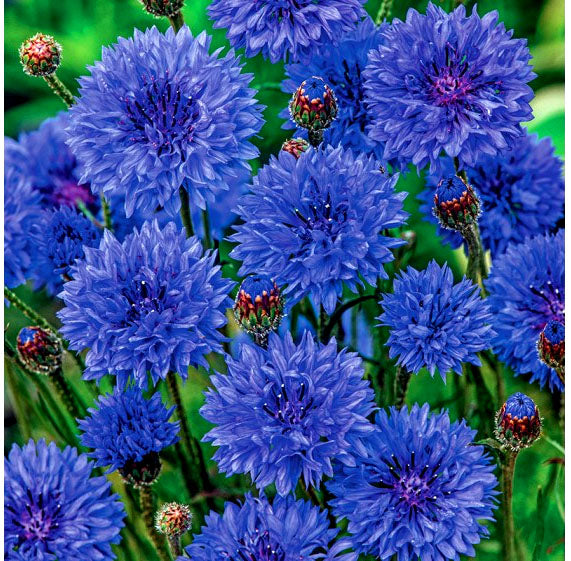
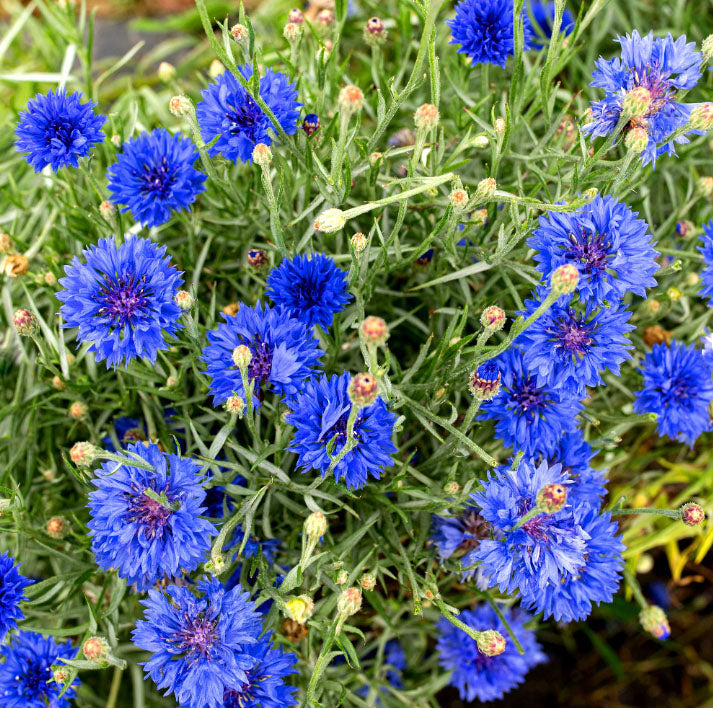
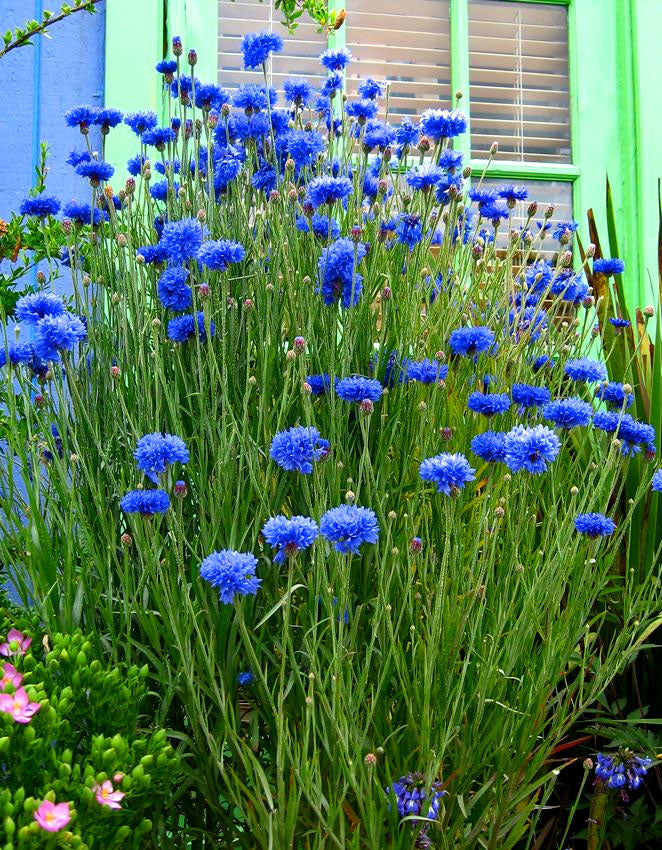
Cornflower ‘Blue Diadem’ Seeds (Centaurea cyanus)
Add classic cottage garden charm with Cornflower ‘Blue Diadem’ (Centaurea cyanus). This annual produces striking deep blue, fringed flowers that bring vibrant color to borders, meadows, and cutting gardens. Easy to grow and long-flowering, it attracts pollinators and creates a timeless, eye-catching display.
How to Grow
-
Sow directly outdoors in spring or autumn.
-
Use well-drained soil in full sun.
-
Scatter seeds thinly and cover lightly with soil.
-
Keep soil moist until germination (7–14 days).
-
Thin seedlings to 20–25 cm apart once established.
-
Deadhead regularly to prolong flowering and maintain plant vigor.
Key Features
-
Striking deep blue, fringed flowers
-
Hardy annual, easy to grow and long-flowering
-
Ideal for borders, meadows, and cutting gardens
-
Attracts bees, butterflies, and other pollinators
-
Classic cottage garden appeal
Ideal For
-
Flower borders and cottage gardens
-
Meadow-style plantings and naturalized areas
-
Cutting gardens for fresh bouquets
-
Pollinator-friendly landscapes
Sowing
-
Best time: Spring or autumn directly outdoors
-
Germination: 7–14 days
-
Sow thinly, cover lightly, and keep soil moist
-
Prefers full sun and well-drained soil
Quick Tip
-
Sow successive batches every 2–3 weeks in spring to extend the flowering season.
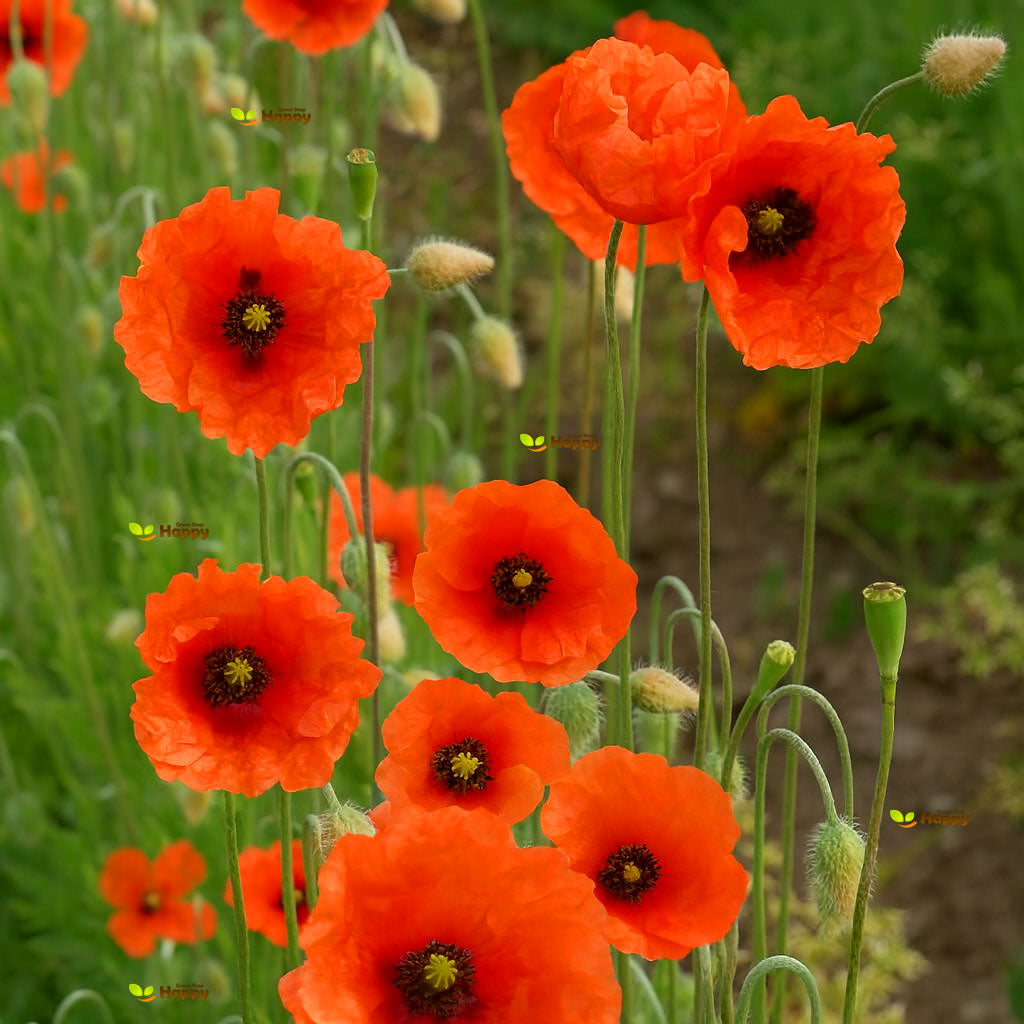
“Blindeyes” Poppy – Seeds (Papaver dobium)
Description:
Add delicate charm to your garden with “Blindeyes” Poppy (Papaver dobium). This striking annual produces elegant, cup-shaped blooms in shades of white or pale pink with a dark central “eye,” giving it its distinctive name. Perfect for borders, cottage gardens, and wildflower meadows, these poppies attract pollinators and bring a soft, whimsical touch to any garden. Easy to grow from seed and long-flowering, they are ideal for both naturalistic and formal plantings.
Key Features
-
Elegant cup-shaped blooms with a dark central “eye”
-
Annual variety, easy to grow from seed
-
Long-lasting blooms from late spring to summer
-
Attracts bees and pollinators
-
Adds delicate charm to borders and meadows
Ideal For
-
Borders and mixed flower beds
-
Cottage and wildflower gardens
-
Pollinator-friendly plantings
-
Naturalistic or whimsical garden displays
Sowing & Growing
-
Sow Outdoors: March–April
-
Germination: 7–14 days at 15–20°C
-
Height: 40–50 cm
-
Spacing: 20–25 cm apart
-
Light: Full sun
-
Soil: Well-drained, moderately fertile
Care Tips
-
Water lightly until seedlings establish
-
Deadhead faded flowers to encourage prolonged blooming
-
Avoid overwatering to prevent root rot
-
Allow some self-seeding for future seasons

Cornflower ‘Red Ball’ Seeds (Centaurea cyanus) – 500 Seeds
Bring bold color to your garden with Cornflower ‘Red Ball’ (Centaurea cyanus). This annual produces striking, deep red, pom-pom-like blooms that add a dramatic touch to borders, meadows, and cutting gardens. Easy to grow and long-flowering, it’s perfect for gardeners seeking vibrant color and pollinator-friendly planting.
How to Grow
-
Sow directly outdoors in spring or autumn.
-
Use well-drained soil in full sun.
-
Scatter seeds thinly and cover lightly with soil.
-
Keep soil moist until germination (7–14 days).
-
Thin seedlings to 20–25 cm apart once established.
-
Deadhead regularly to encourage continuous blooming.
Key Features
-
Striking deep red, pom-pom-like blooms
-
Hardy annual, easy to grow and long-flowering
-
Ideal for borders, meadows, and cutting gardens
-
Attracts bees, butterflies, and other pollinators
-
Bold, eye-catching color for garden displays
Ideal For
-
Flower borders and cottage gardens
-
Meadow-style plantings and naturalized areas
-
Cutting gardens for fresh bouquets
-
Pollinator-friendly landscapes
Sowing
-
Best time: Spring or autumn directly outdoors
-
Germination: 7–14 days
-
Sow thinly, cover lightly, and keep soil moist
-
Prefers full sun and well-drained soil
Quick Tip
-
Sow in drifts or clusters to maximize visual impact and create a bold color display.
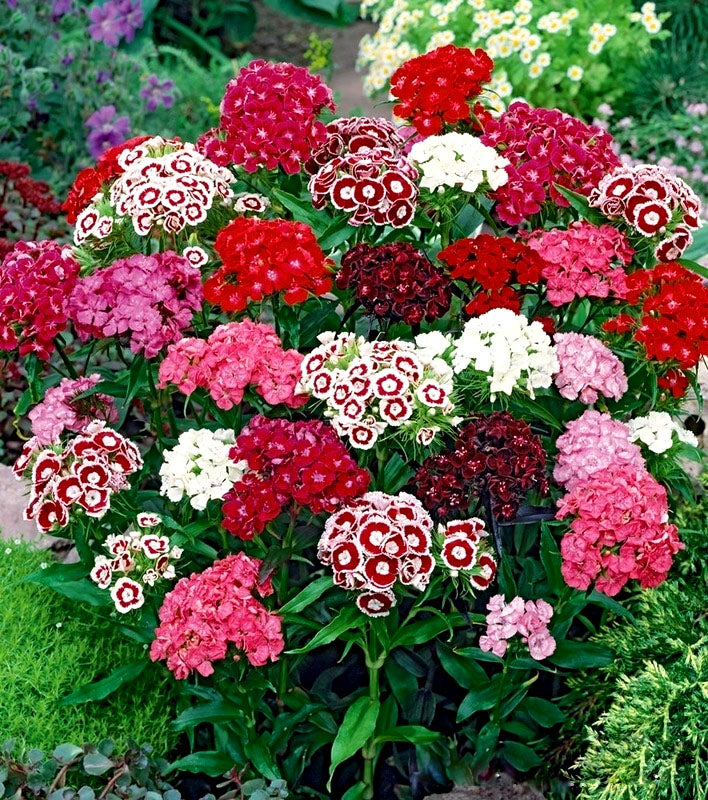
Sweet William Flower Mix "Herald of Spring" - 700 seeds (Dianthus barbatus)
£1.24
Unit price perSweet William Flower Mix "Herald of Spring" - 700 seeds (Dianthus barbatus)
£1.24
Unit price perSweet William Flower Mix ‘Herald of Spring’ Seeds (Dianthus barbatus) – 700 Seeds
Celebrate spring with Sweet William Flower Mix ‘Herald of Spring’ (Dianthus barbatus). This vibrant annual mix produces clusters of fragrant, brightly colored blooms in shades of pink, red, and white. Perfect for borders, cottage gardens, and cutting gardens, it’s easy to grow, long-flowering, and attracts pollinators for a lively garden display.
How to Grow
-
Sow directly outdoors in spring after the last frost or indoors 6–8 weeks earlier.
-
Use well-drained soil in full sun to partial shade.
-
Scatter seeds thinly and cover lightly with soil.
-
Keep soil moist until germination (10–14 days).
-
Thin seedlings to 20–30 cm apart for healthy growth.
-
Deadhead regularly to encourage continuous flowering.
Key Features
-
Clusters of fragrant blooms in pink, red, and white shades
-
Hardy, easy-to-grow annual or biennial depending on climate
-
Long-flowering and attractive to pollinators
-
Ideal for borders, cottage gardens, and cutting gardens
-
Compact growth habit perfect for edging and containers
Ideal For
-
Flower beds, borders, and cottage gardens
-
Cutting gardens for fresh bouquets
-
Pollinator-friendly plantings
-
Containers and patio planters
Sowing
-
Best time: Spring outdoors or 6–8 weeks earlier indoors
-
Germination: 10–14 days
-
Sow thinly, cover lightly, and keep soil moist
-
Prefers full sun and well-drained soil
Quick Tip
-
For a prolonged display, sow successive batches every 2–3 weeks during spring.
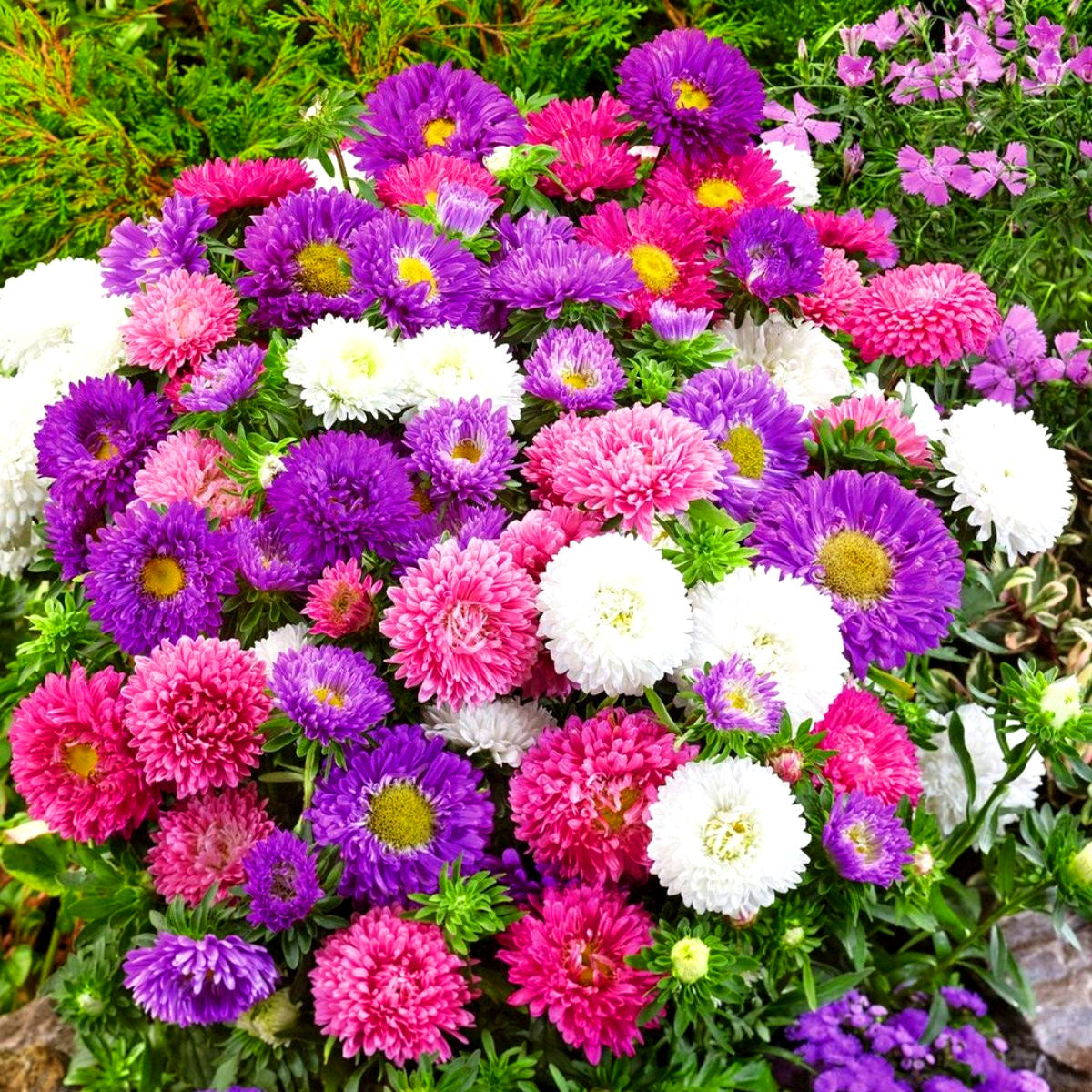
Aster "Color Carpet Mix" – Seeds
(Callistephus chinensis)
Aster "Color Carpet Mix" is a charming dwarf variety that produces a vivid carpet of colorful blooms in late summer and autumn. With compact, bushy growth and daisy-like flowers in shades of pink, purple, red, blue, and white, this mix is perfect for brightening borders, rockeries, and container displays. Long-lasting blooms make them excellent for cutting, bringing cheer indoors as well.
Why Grow Aster "Color Carpet Mix"?
-
Compact, bushy habit with masses of blooms
-
Vibrant mix of summer and autumn colors
-
Long flowering season
-
Great for edging, containers & small gardens
Key Features
-
Type: Half-hardy annual
-
Height: 20–25 cm
-
Blooms: July–October
-
Position: Full sun or partial shade
-
Soil: Well-drained, fertile soil
Ideal For
-
Bedding & edging
-
Rock gardens and low borders
-
Patio containers
-
Cut flower arrangements
Sowing & Growing
-
Sow indoors: February–April, in trays or pots, lightly covering seeds
-
Transplant seedlings outdoors after frost, spacing 20 cm apart
-
Sow outdoors: May, directly where they are to flower
-
Germination: 10–14 days at 18–21°C
-
Remove faded blooms to extend flowering season
Venus’s Navelwort Seeds (Omphalodes linifolia)
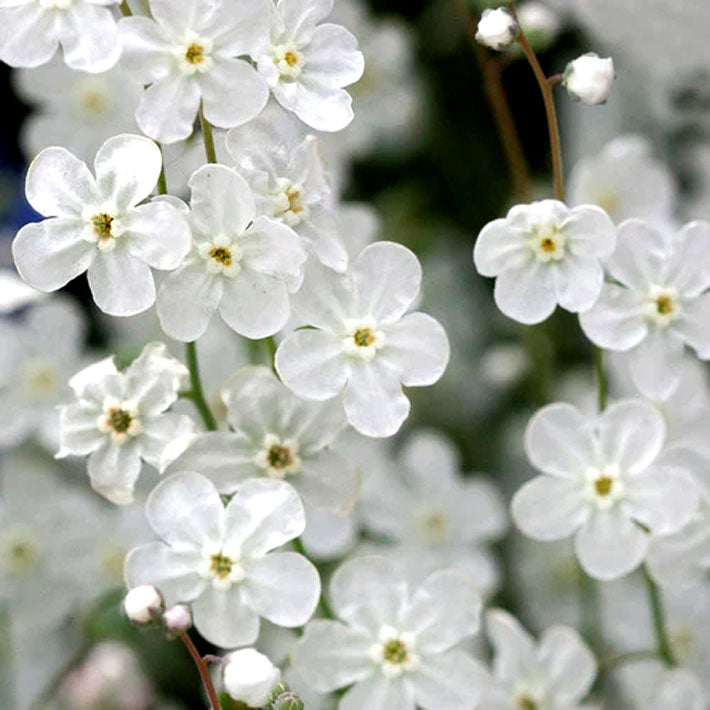
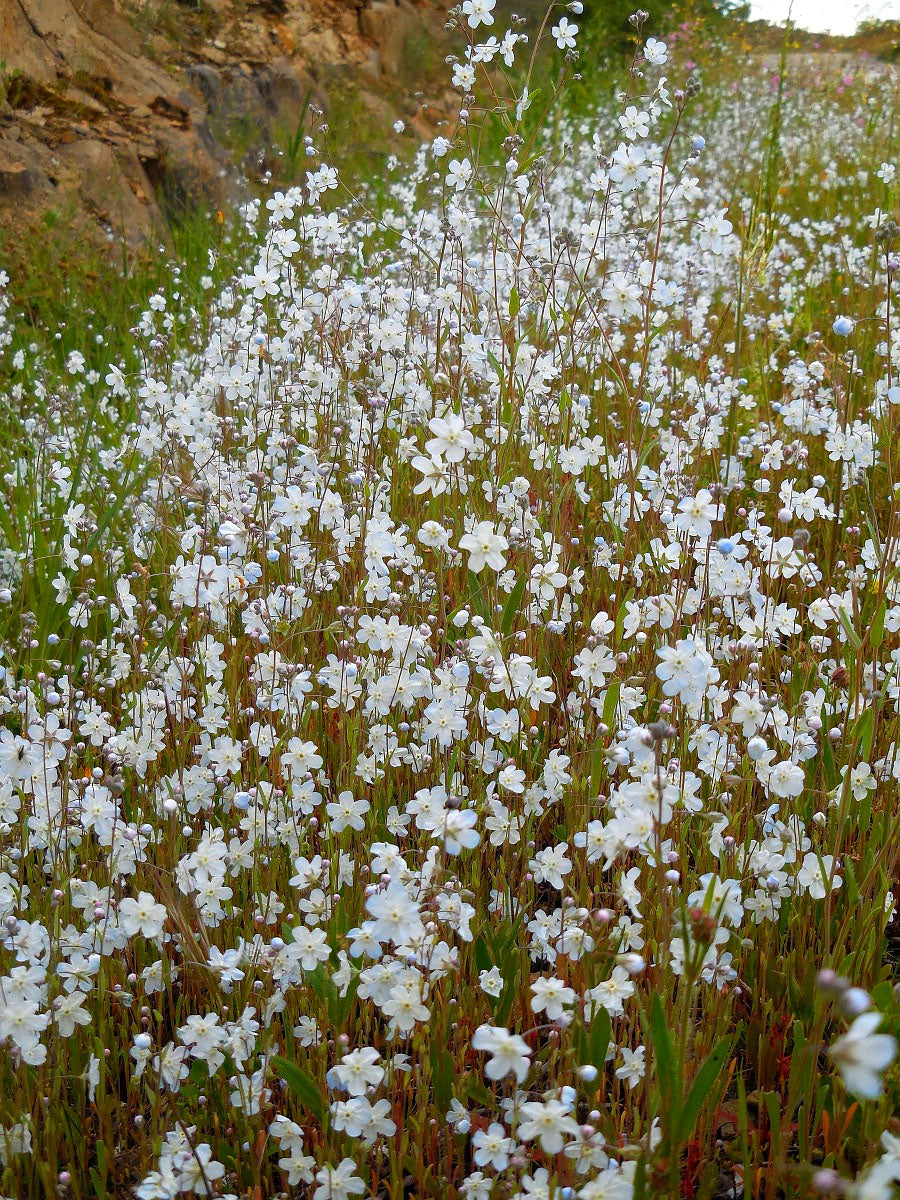
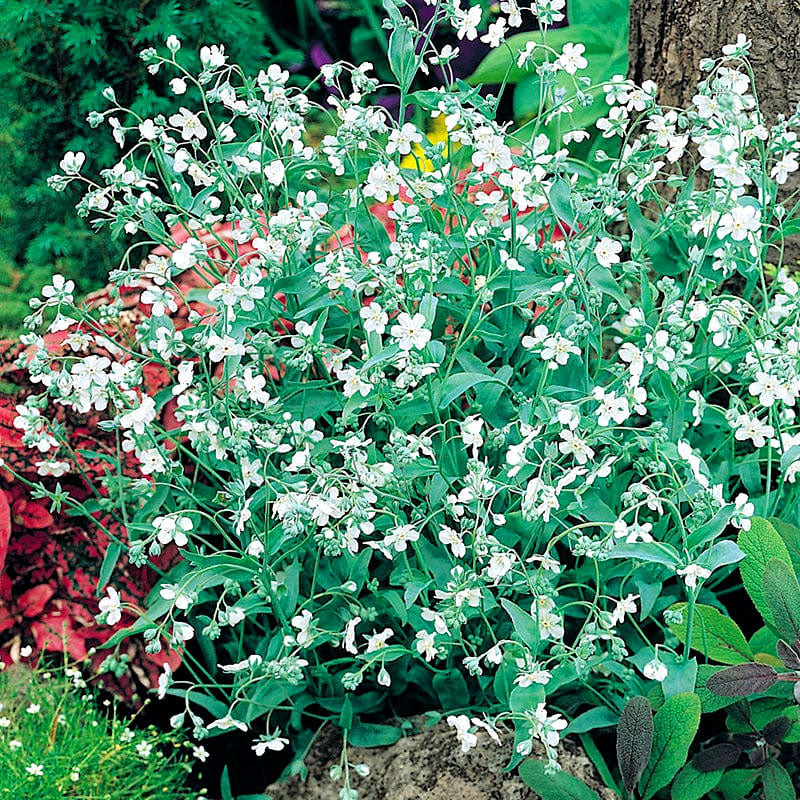
Add charming groundcover to shaded areas with Venus’s Navelwort (Omphalodes linifolia). This perennial produces delicate, star-shaped blue flowers above lush green foliage, forming a carpet of color in spring and early summer. Hardy and easy to grow, it’s perfect for woodland gardens, borders, and shady rock gardens, attracting pollinators and adding a soft, natural touch.
How to Grow
-
Sow seeds indoors in late winter or outdoors in early spring.
-
Use well-drained, humus-rich soil in partial to full shade.
-
Scatter seeds thinly on the soil surface and press lightly; do not cover.
-
Keep soil consistently moist until germination (14–28 days).
-
Thin seedlings to 20–25 cm apart once established.
-
Mulch around plants to retain moisture and encourage healthy growth.
Key Features
-
Delicate star-shaped blue flowers over lush green foliage
-
Hardy perennial, forming a dense groundcover
-
Ideal for shaded borders, woodland gardens, and rock gardens
-
Attracts pollinators including bees and butterflies
-
Low-maintenance and long-lasting
Ideal For
-
Shaded garden beds and borders
-
Woodland and cottage-style gardens
-
Rock gardens and naturalized plantings
-
Pollinator-friendly landscapes
Sowing
-
Best time: Late winter indoors or early spring outdoors
-
Germination: 14–28 days
-
Sow thinly, press lightly, do not cover
-
Prefers partial to full shade and well-drained, humus-rich soil
Quick Tip
-
Provide consistent moisture and partial shade for best flowering and lush foliage.
Showing 18/36


