
Sort by:
146 products
146 products


🌿 Alchemilla mollis Lady’s Mantle – Hardy Perennial with Soft Green Foliage and Airy Lime Flowers
Lady’s Mantle (Alchemilla mollis) is a much-loved hardy perennial grown for its soft, velvety, fan-shaped leaves and delicate sprays of lime-green flowers that float above the foliage in late spring and early summer. The leaves beautifully catch dew and raindrops, adding ornamental interest even when not in bloom. Extremely reliable and easy to grow, this classic garden plant is ideal for borders, ground cover, edging, cottage gardens, and shaded areas.
Key Features
● Soft, pleated green leaves with decorative dew-catching effect
● Airy lime-green flowers from late spring to early summer
● Hardy, long-lived perennial with low maintenance needs
● Excellent ground cover and border edging plant
● Performs well in sun or partial shade
How to Sow & Grow Lady’s Mantle (UK)
Sow indoors: II–IV (February–April) in trays or pots
Transplant outdoors: V–VI (May–June) once seedlings are established
Direct outdoors: IV–V (April–May)
Flowering: V–VII (May–July)
Germination temperature: 15–20 °C (59–68 °F)
Average germ time: 14–21 days
Depth: Surface sow — do not cover, but press gently into the soil (requires light to germinate)
Light required: Yes
Moisture: Moderate; prefers consistently moist soil
Environment: Full sun to partial shade
Soil type: Moist, fertile, well-drained soil
Plant spacing: 30–40 cm (12–16 in)
Height: 30–45 cm (12–18 in)
Sowing & Growing Tips (variety-specific)
● Cut back after flowering to encourage fresh foliage.
● Tolerates shade better than many perennials.
● Can self-seed gently if flowers are left in place.
● Excellent companion plant for roses and perennials.
● Ideal for naturalistic and cottage-style gardens.
Special Features
● Decorative foliage attractive throughout the season
● Hardy and reliable in a wide range of conditions
● Beautiful fresh or dried flowers for arrangements
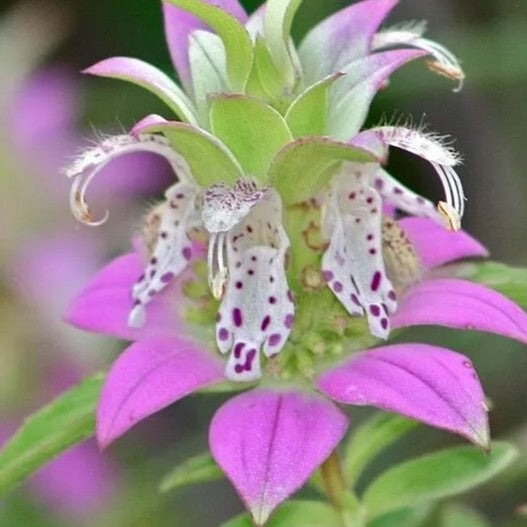
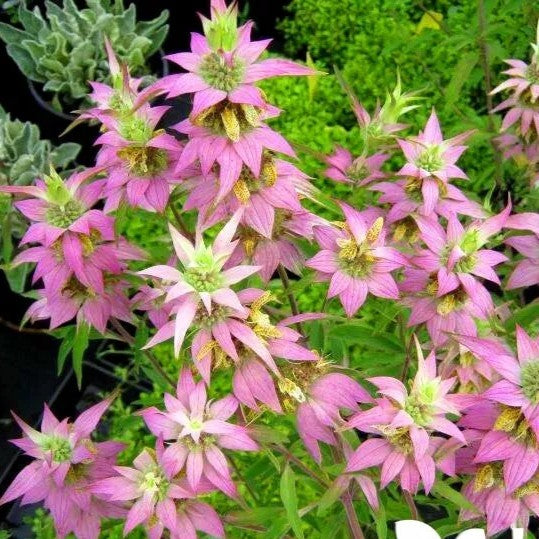
Purplish Lilac Lemon Bee Balm Mint Seeds (Monarda punctata)
Bring a fragrant and colorful touch to your garden with Purplish Lilac Lemon Bee Balm Mint. This striking perennial produces spiky clusters of lilac-purple flowers with lemon-scented foliage, attracting bees, butterflies, and other pollinators. Easy to grow and drought-tolerant, it adds both beauty and ecological value to borders, beds, and wildflower gardens.
Why Grow "Purplish Lilac Lemon"
-
Unique lilac-purple flower spikes with lemon-scented foliage
-
Attracts pollinators like bees and butterflies
-
Drought-tolerant and easy to grow
-
Adds color and texture to borders, beds, and wildflower gardens
Key Features
-
Type: Perennial (Monarda punctata)
-
Height: 60–90 cm
-
Flowering: Summer (June–September)
-
Position: Full sun to partial shade
-
Uses: Borders, flower beds, pollinator gardens, containers
Sowing & Growing
-
Sow indoors: 6–8 weeks before the last frost
-
Sow outdoors: After frost danger has passed
-
Germination: 10–20 days
-
Space seedlings: 30–40 cm apart
-
Prefers well-drained soil and full sun for best flowering
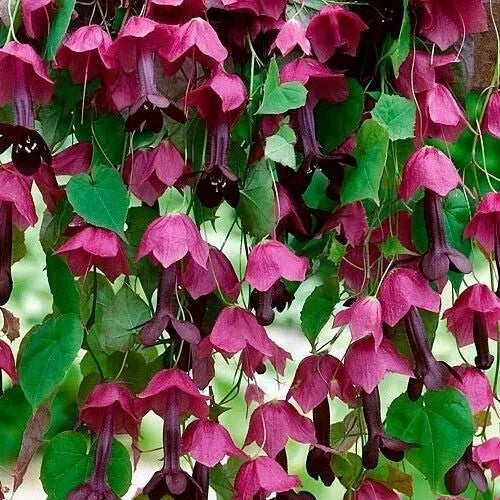
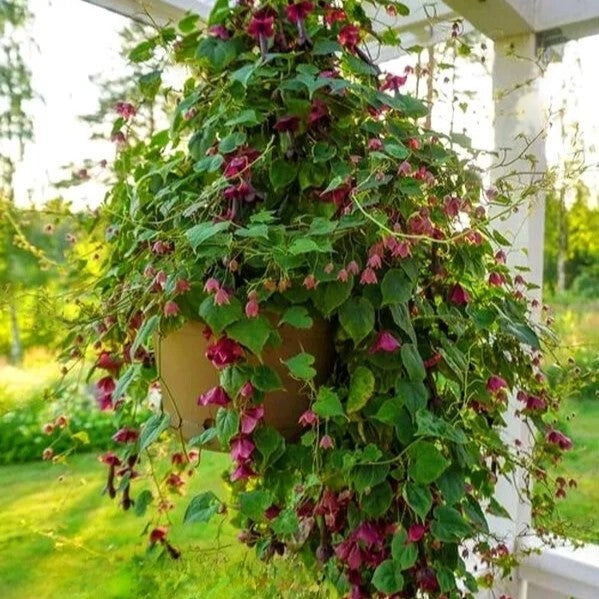
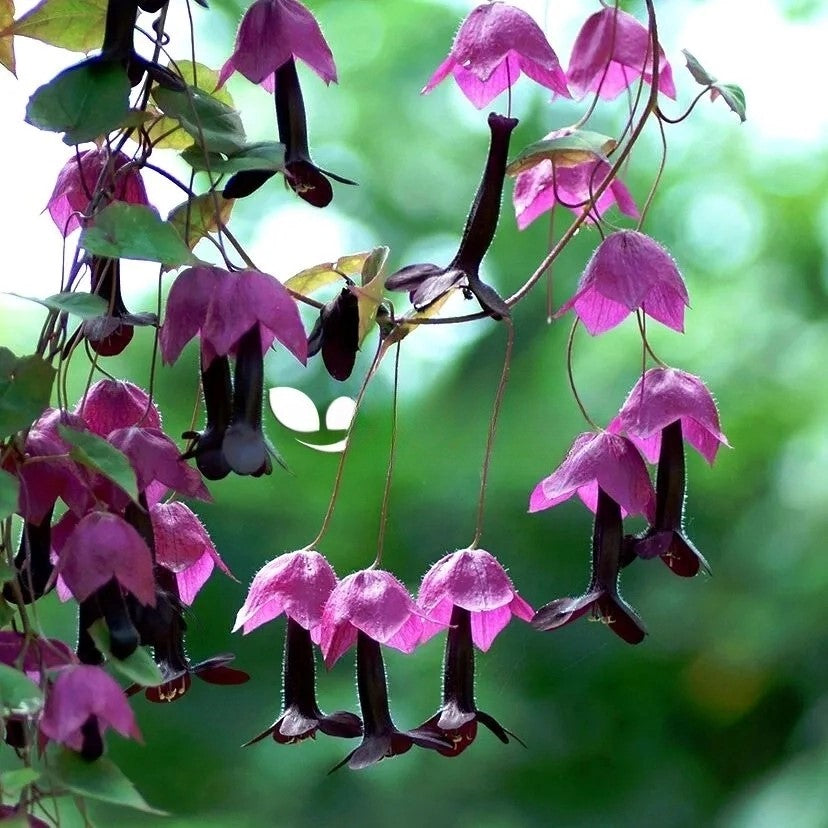
Purple Bell Vine – Seeds (Rhodochiton atrosanguineus)
The Purple Bell Vine is a striking climber admired for its exotic, lantern-like flowers. Each bloom features a rosy-purple bell with deep, maroon-black tubular centers, hanging gracefully against lush green, heart-shaped foliage. Fast-growing and elegant, it adds a dramatic touch to arches, trellises, pergolas, or hanging baskets. Native to Mexico, this tender perennial is usually grown as an annual in cooler climates.
What Makes It Special
-
Unique pendant bell-shaped flowers with rich colors
-
Long flowering season from summer to autumn
-
Ideal for vertical gardens and decorative screening
-
Can also be grown in containers for patios and balconies
Key Features
-
Botanical name: Rhodochiton atrosanguineus
-
Common name: Purple Bell Vine, Purple Bell Flower
-
Seed count: Approx. seeds per pack
-
Height/Spread: Climbs 3–4 m with support
-
Position: Full sun or light partial shade; well-drained soil
-
Flowering period: June to October
Ideal For
-
Trellises, arches, and fences
-
Vertical garden displays
-
Patio containers and hanging baskets
-
Exotic or tropical-style gardens
Sowing Instructions
-
When to sow: Indoors February–April
-
How to sow:
-
Sow on the surface of moist seed compost, pressing gently without covering (light aids germination)
-
Keep at 18–22°C and germination takes 21–30 days
-
-
Transplanting: Pot on seedlings when large enough and harden off before planting outside after last frost
-
Care: Provide climbing support; water regularly and feed for abundant flowering

Herb Sage – Seeds
(Salvia officinalis)
Herb Sage is a hardy perennial herb prized for its aromatic leaves and culinary versatility. Perfect for seasoning meats, soups, and sauces, its gray-green foliage also adds texture and fragrance to herb gardens. Easy to grow and drought-tolerant once established, it attracts pollinators and enhances both edible and ornamental plantings.
Why Grow Herb Sage?
-
Aromatic leaves for culinary and medicinal use
-
Hardy perennial, drought-tolerant once established
-
Attracts bees and pollinators
-
Adds texture and fragrance to gardens
Key Features
-
Type: Perennial herb
-
Height: 30–60 cm
-
Flowers: Blue-purple, late spring to summer
-
Position: Full sun
-
Soil: Well-drained, moderately fertile
Ideal For
-
Herb and culinary gardens
-
Pollinator-friendly plantings
-
Containers, borders, and rockeries
-
Perennial garden beds
Sowing & Growing
-
Sow indoors: February–April in seed trays
-
Sow outdoors: April–May directly in prepared soil
-
Germination: 14–21 days at 18–20°C
-
Spacing: 25–30 cm apart
-
Care: Moderate watering; prune after flowering to encourage fresh growth
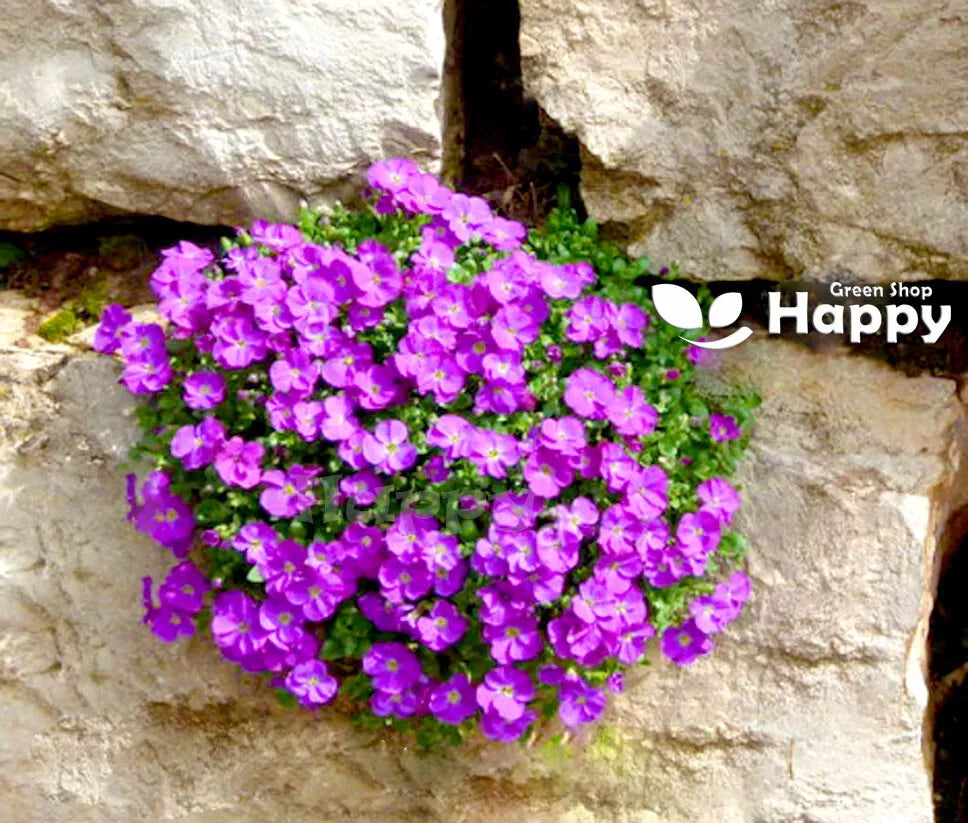
Rock Cress Cascade ‘Leichtlinii’ – Seeds
(Aubrieta cultorum)
Rock Cress Cascade ‘Leichtlinii’ is a hardy perennial that forms a dense, cascading mat of vibrant purple flowers in spring. Perfect for rockeries, walls, and borders, its low-growing habit and abundant blooms create a stunning floral carpet. It’s drought-tolerant, easy to grow, and attracts pollinators.
Why Grow Rock Cress ‘Leichtlinii’?
-
Dense cascading growth with vibrant purple flowers
-
Hardy perennial with long-lasting spring blooms
-
Excellent for rockeries, walls, and borders
-
Attracts bees and butterflies
Key Features
-
Type: Perennial
-
Height: 10–15 cm
-
Flowers: Spring
-
Position: Full sun to partial shade
-
Soil: Well-drained, moderately fertile
Ideal For
-
Rockeries and alpine gardens
-
Walls, slopes, and borders
-
Pollinator-friendly plantings
-
Low-maintenance groundcover
Sowing & Growing
-
Sow indoors: February–April in seed trays
-
Sow outdoors: April–May directly in prepared soil
-
Germination: 14–21 days at 18–20°C
-
Spacing: 15–20 cm apart
-
Care: Minimal maintenance; trim after flowering to maintain shape
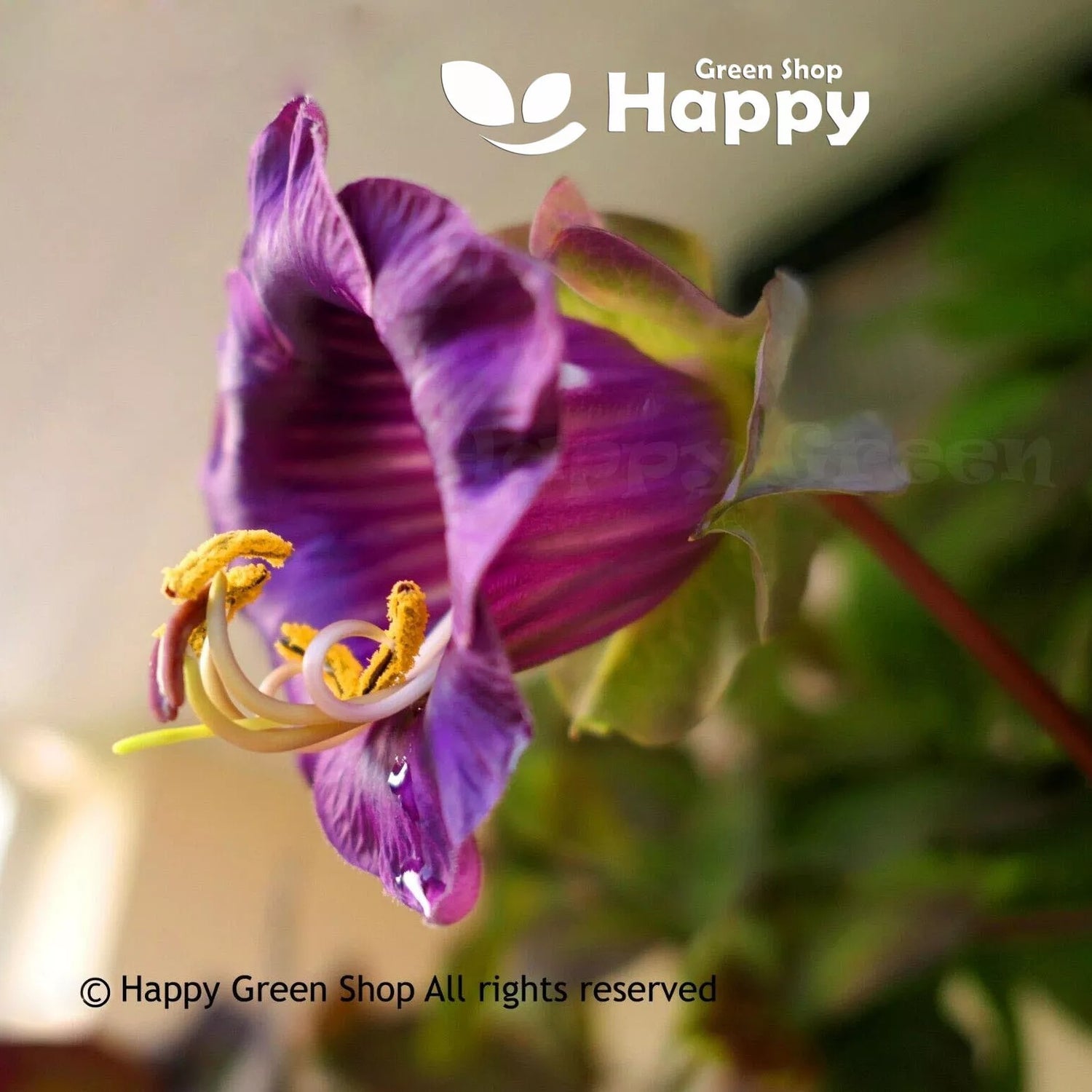
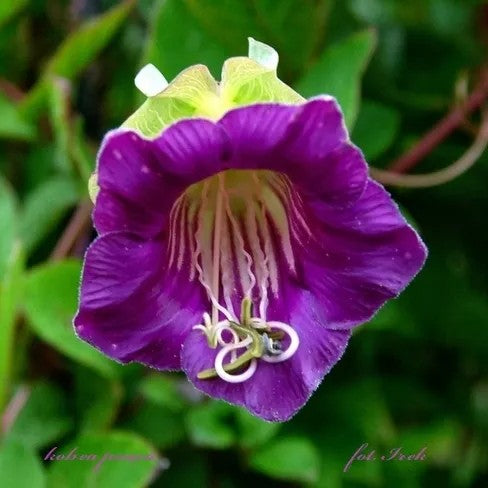
Cup and Saucer Purple – 14 Seeds (Cobaea scandens)
The Cup and Saucer Vine (Purple) is a vigorous climber producing dramatic, bell-shaped flowers that open green and mature into rich purple. Its fast-growing vines bring vertical beauty to arches, trellises, and fences, making it a standout centerpiece in any summer garden.
What Makes It Special
-
Exotic cup-and-saucer style blooms
-
Flowers shift from green to deep purple as they mature
-
Rapid-growing vine for quick coverage
-
Long flowering season, summer to frost
Key Features
-
Half-hardy perennial, usually grown as an annual
-
Height: 3–6 m
-
Stunning purple, bell-shaped blooms
-
Prefers full sun to partial shade
-
Attracts bees and pollinators
Ideal For
-
Arches, pergolas, trellises, and fences
-
Cottage and ornamental gardens
-
Vertical displays and natural privacy screens
-
Unique cut flowers
Sowing
-
Sow indoors 8–10 weeks before the last frost
-
Pre-soak seeds 12–24 hours before sowing
-
Plant seeds on their side, just under the surface
-
Germination: 20–30 days at 18–20°C
-
Transplant outdoors after frost, spacing 30–45 cm apart
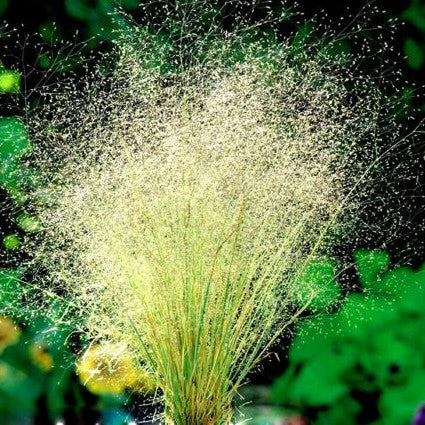
Cloud Grass Seeds (Agrostis nubelosa)
A graceful ornamental grass, Cloud Grass produces airy, feathery plumes that sway elegantly in the breeze. Hardy and low-maintenance, it adds movement, texture, and a soft, cloud-like appearance to borders, rock gardens, and naturalistic plantings throughout the growing season.
What Makes It Special
-
Light, airy plumes for a soft, cloud-like effect
-
Hardy and drought-tolerant with minimal maintenance
-
Adds texture, movement, and elegance to garden designs
Key Features
-
Botanical name: Agrostis nubelosa
-
Hardy perennial
-
Height: 30–60 cm (12–24 in)
-
Bloom time: Summer
Ideal For
-
Borders, rock gardens, and naturalistic plantings
-
Containers and low-maintenance garden designs
-
Adding movement and texture to mixed plantings
Sowing
-
Sow indoors Feb–Apr or outdoors Mar–May
-
Cover lightly with soil and keep moist
-
Germination: 14–21 days at 15–20°C
-
Thin seedlings 15–20 cm apart
-
Flowers the first or second season after sowing

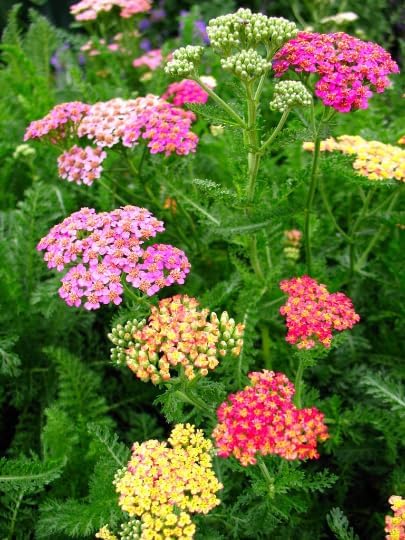

Yarrow ‘Pastel’ Mix Seeds (Achillea millefolium)
A hardy and long-flowering perennial, Yarrow ‘Pastel’ Mix produces flat-topped clusters of delicate blooms in soft shades of pink, peach, and cream. Compact and drought-tolerant, it’s perfect for borders, cottage gardens, and wildflower meadows, attracting bees and butterflies.
What Makes It Special
-
Soft pastel blooms in pink, peach, and cream
-
Hardy, drought-tolerant, and long-flowering
-
Attracts pollinators, enhancing wildlife-friendly gardens
Key Features
-
Botanical name: Achillea millefolium
-
Hardy perennial
-
Height: 30–60 cm (12–24 in)
-
Bloom time: Summer
Ideal For
-
Borders, beds, and cottage gardens
-
Wildflower meadows and pollinator-friendly plantings
-
Containers and low-maintenance garden designs
Sowing
-
Sow indoors Feb–Apr or outdoors Mar–May
-
Cover lightly with soil and keep moist
-
Germination: 14–21 days at 15–20°C
-
Thin seedlings 25–30 cm apart
-
Flowers the first or second season after sowing


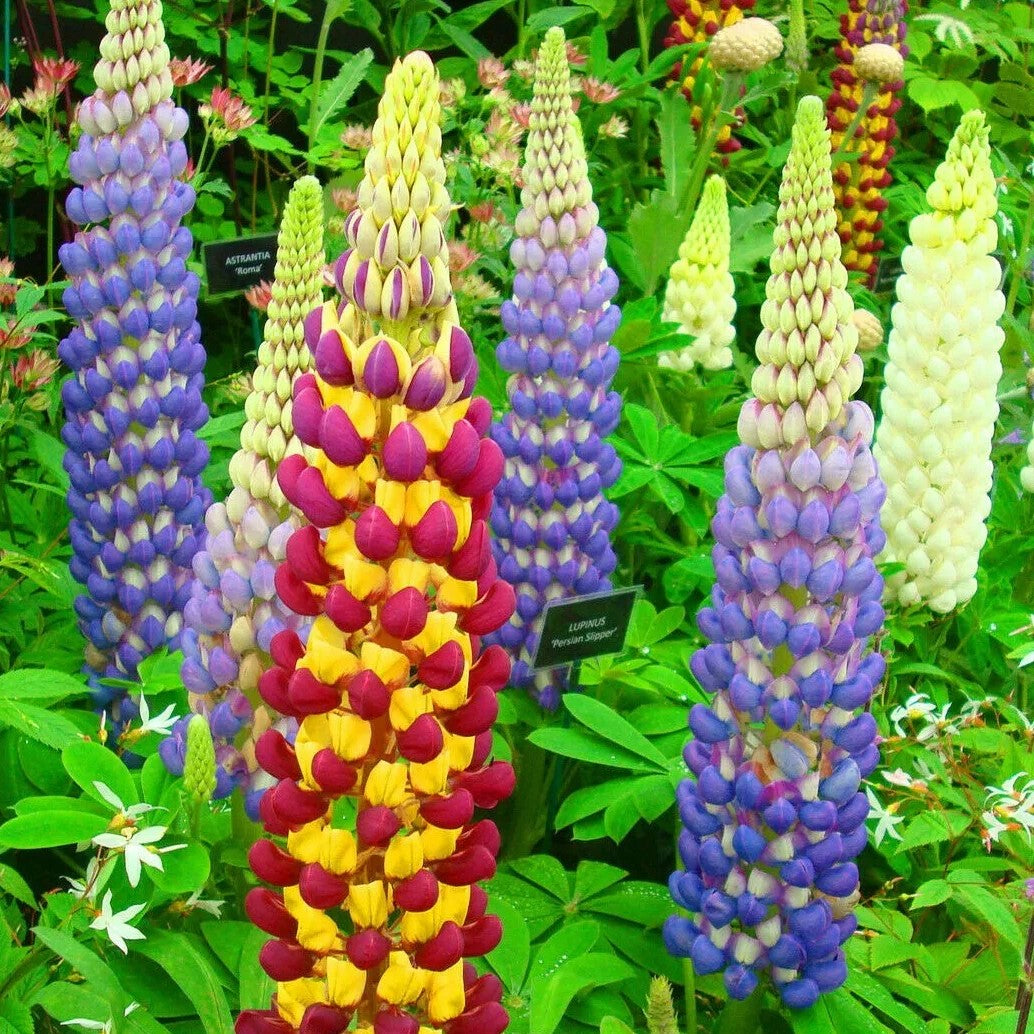
Lupine Mix Seeds (Lupinus polyphyllus)
A cottage garden classic, Lupine Mix produces tall spires of pea-like flowers in a rainbow of colors, rising above lush green foliage. Hardy and dramatic, these blooms create striking vertical accents in borders and wildflower plantings, while attracting bees, butterflies, and pollinators.
What Makes It Special
-
Tall spires of vibrant, multicolored flowers
-
Hardy, dramatic, and ideal for vertical interest
-
Attracts bees, butterflies, and pollinators
Key Features
-
Botanical name: Lupinus polyphyllus
-
Hardy perennial
-
Height: 80–120 cm (32–48 in)
-
Bloom time: Early to mid-summer
Ideal For
-
Cottage gardens and mixed perennial borders
-
Wildflower plantings and pollinator gardens
-
Cut flower arrangements
Sowing
-
Sow indoors Mar–Apr or outdoors Apr–Jun
-
Nick seed coat lightly and soak overnight for better germination
-
Cover lightly with soil and keep moist
-
Germination: 14–30 days at 15–20°C
-
Thin seedlings 30–40 cm apart
-
Flowers the second year after sowing
Showing 36/146


