
Sort by:
146 products
146 products

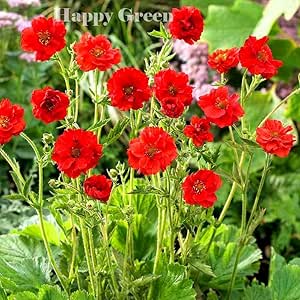
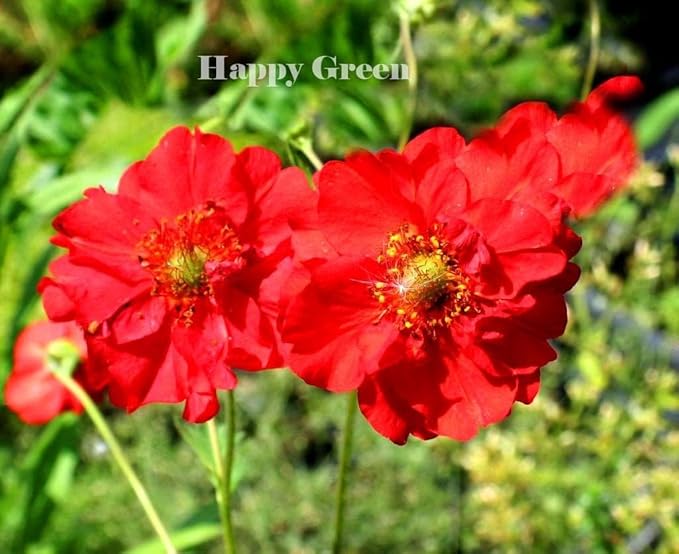
Mrs. J. Bradshaw ‘Brilliant Scarlett’ Seeds (Geum chiloense)
A vibrant perennial, Mrs. J. Bradshaw ‘Brilliant Scarlett’ produces striking, fiery scarlet blooms on sturdy stems above clumps of fresh green foliage. Hardy and long-flowering, it’s perfect for borders, cottage gardens, and mixed perennial beds, attracting pollinators and adding bold color from late spring to summer.
What Makes It Special
-
Brilliant scarlet flowers with strong garden presence
-
Hardy, long-flowering perennial ideal for dramatic displays
-
Attracts bees and butterflies, supporting pollinator gardens
Key Features
-
Botanical name: Geum chiloense
-
Hardy perennial
-
Height: 50–70 cm (20–28 in)
-
Bloom time: Late spring to summer
Ideal For
-
Garden borders and cottage-style plantings
-
Mixed perennial beds and containers
-
Pollinator-friendly landscapes
Sowing
-
Sow indoors Feb–Apr or outdoors Mar–May
-
Cover lightly with soil and keep moist
-
Germination: 14–28 days at 15–20°C
-
Thin seedlings 30–40 cm apart
-
Flowers the first or second season after sowing

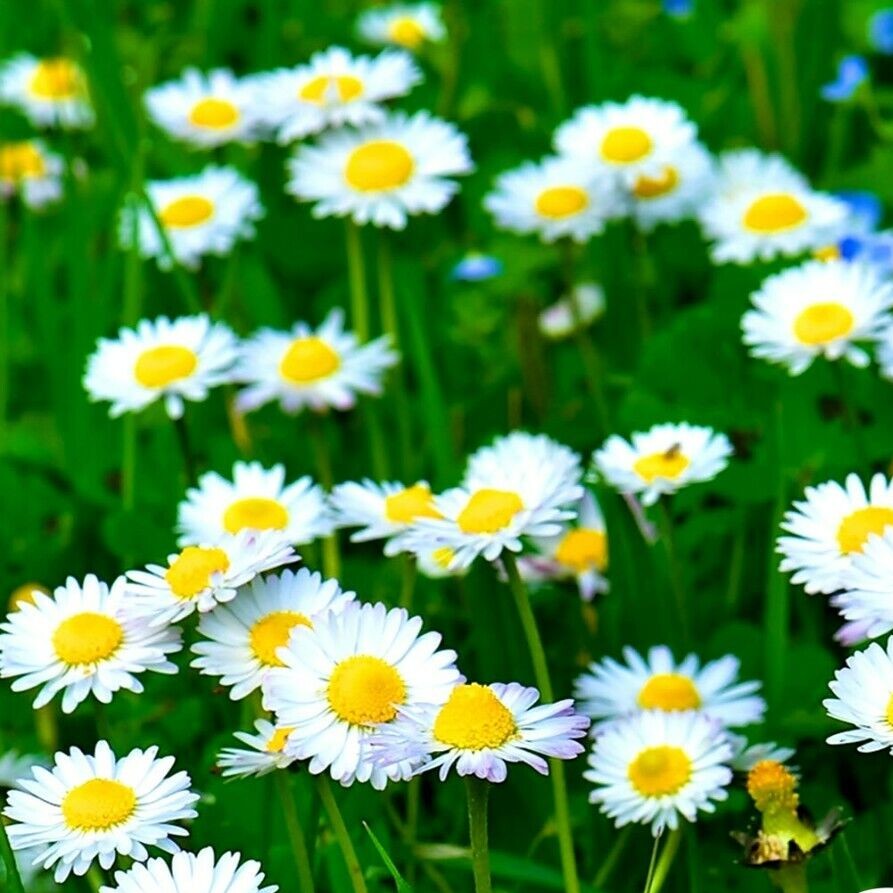
Meadow English Daisy White – Timeless Cottage Garden Beauty
Meadow English Daisy White produces neat rosettes of dark green foliage topped with charming pure-white, yellow-centred blooms. These low-growing perennials are perfect for edging, rock gardens, lawns, and spring bedding. Flowering in early spring through summer, they bring a fresh, classic look to garden spaces and are loved by pollinators.
What Makes It Special
-
Classic pure-white flowers with sunny yellow centres
-
Early spring to summer blooms for fresh garden color
-
Low-growing, easy-care perennial
-
Ideal for naturalising in lawns and meadows
-
Loved by bees and butterflies
Key Features
-
Height: 10–15 cm – compact and neat
-
Hardy perennial – returns year after year
-
Excellent for early-season pollinators
-
Works well in borders, pots, and rock gardens
-
Versatile and adaptable to many soil types
Ideal For
-
Lawns, meadows, and naturalised plantings
-
Cottage and wildlife-friendly gardens
-
Rock gardens and path edging
-
Early-spring bedding displays
Sowing
-
Sow in trays or direct from spring to early summer
-
Press seeds gently into the surface – do not cover (light helps germination)
-
Germination: 14–21 days at 15–20°C
-
Space plants 15–20 cm apart
-
Prefers full sun to partial shade and moist, well-drained soil
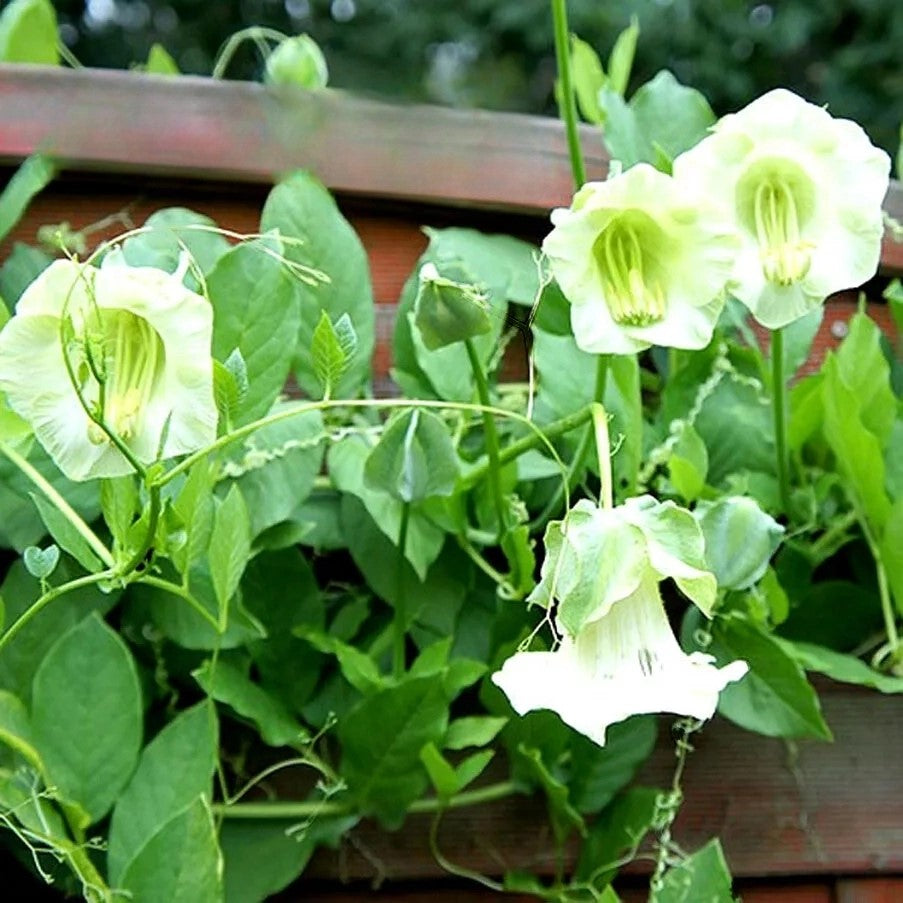
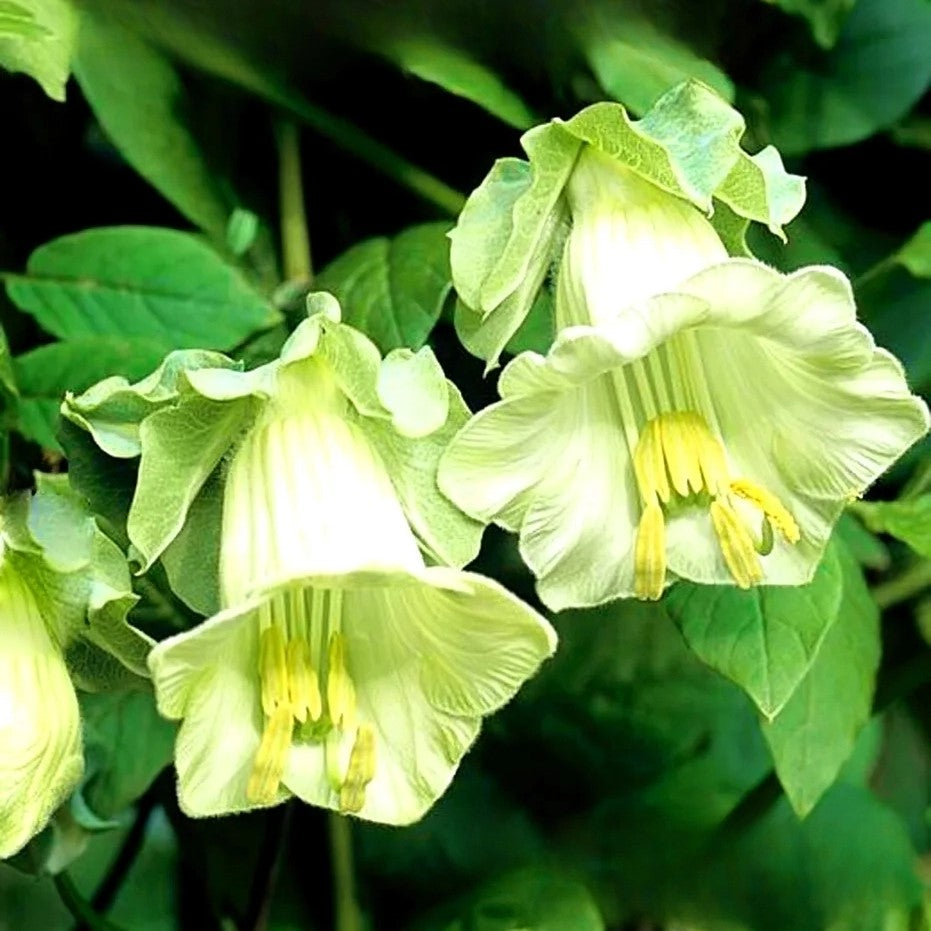
Cup and Saucer White – 15 Seeds (Cobaea scandens)
The Cup and Saucer Vine (White) is a fast-growing climber with elegant, bell-shaped blooms resembling little teacups. Its trailing vines quickly cover fences, arches, and trellises, creating a stunning vertical display. A perfect choice for adding a touch of elegance and charm to summer gardens.
What Makes It Special
-
Unique cup-and-saucer shaped blooms
-
Rapid-growing climbing vine
-
Long-lasting flowers from summer to frost
-
Adds instant charm to vertical garden spaces
Key Features
-
Half-hardy perennial, often grown as an annual
-
Height: up to 3–6 m
-
Large white, bell-shaped flowers
-
Prefers full sun to partial shade
-
Attracts bees and pollinators
Ideal For
-
Fences, walls, arches, pergolas, and trellises
-
Cottage gardens and romantic garden themes
-
Vertical displays and privacy screens
-
Cut flowers for unique arrangements
Sowing
-
Sow indoors 8–10 weeks before the last frost
-
Pre-soak seeds for 12–24 hours before sowing
-
Place seeds on their side, just under the surface of soil
-
Germination: 20–30 days at 18–20°C
-
Harden off and transplant outdoors after frost, spacing 30–45 cm apart
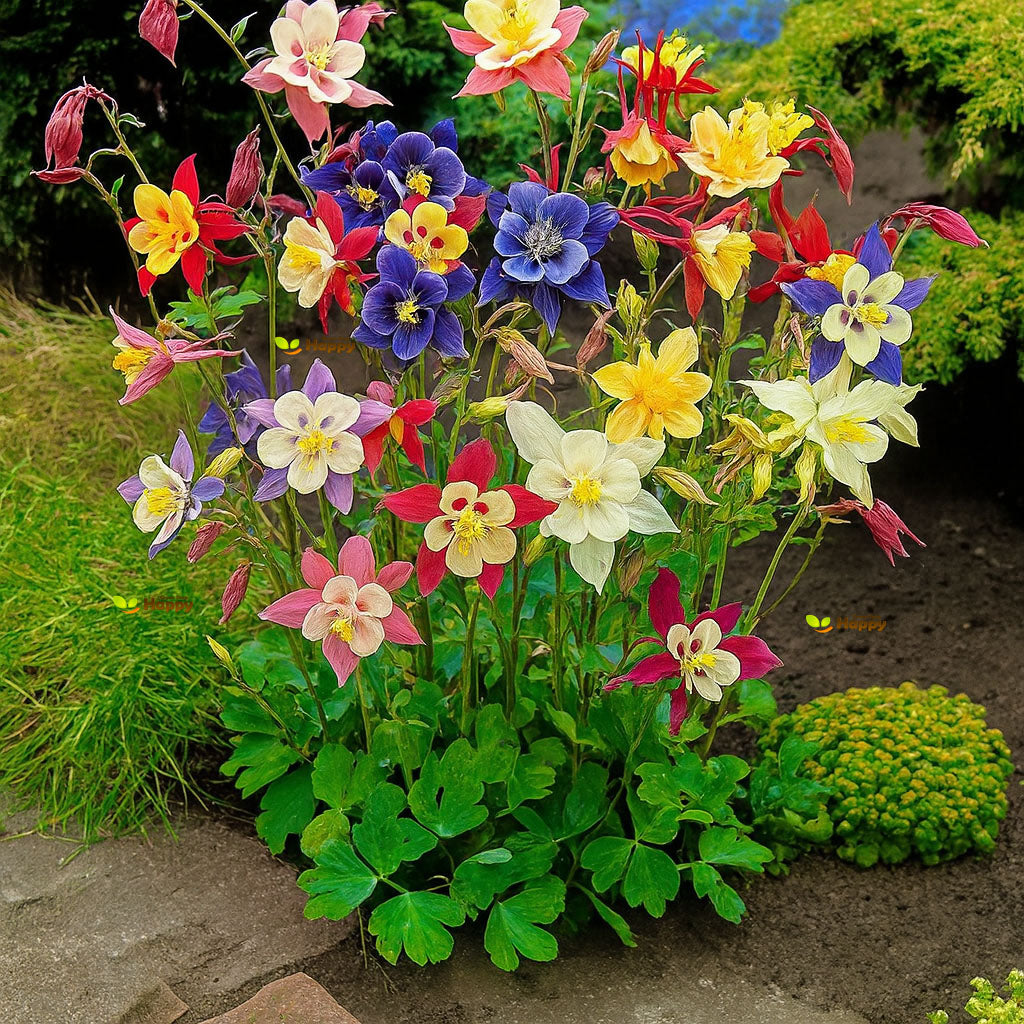
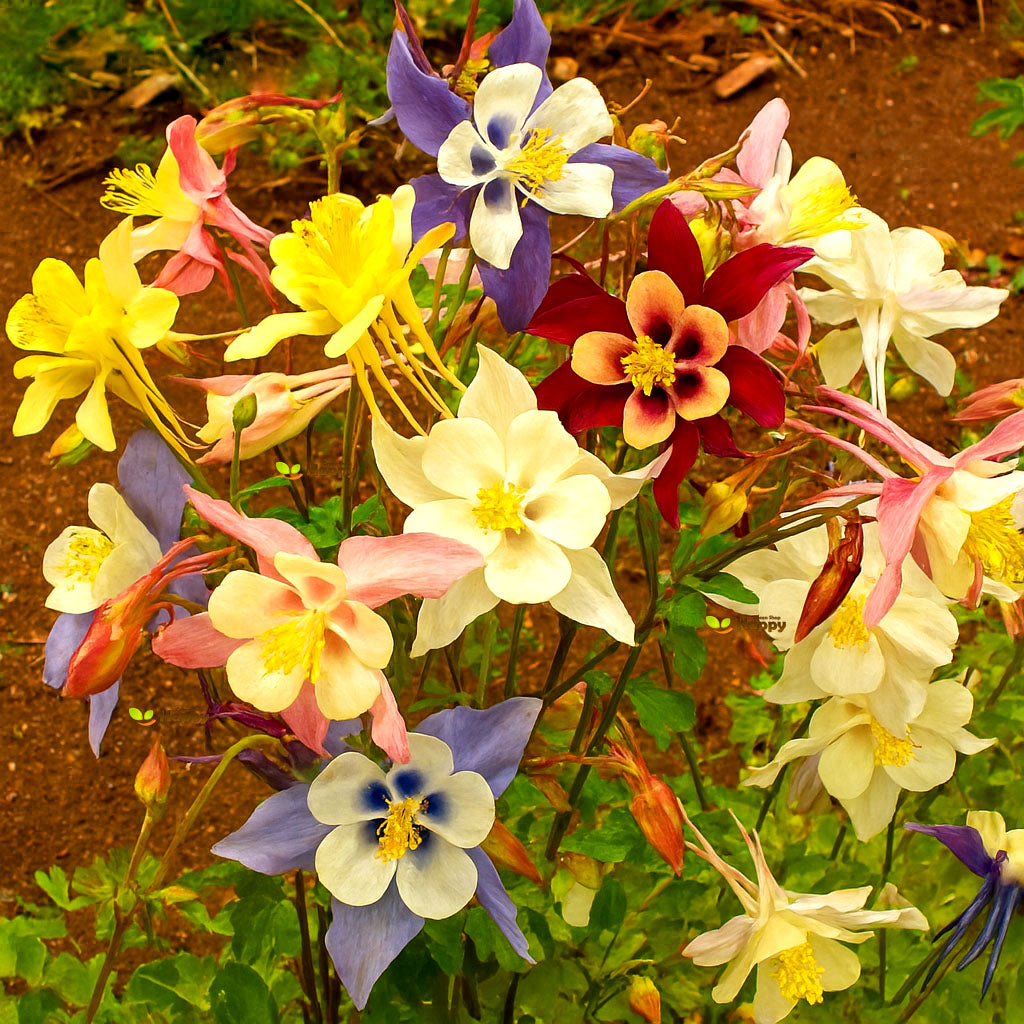
Columbine ‘McKana Giant’ Mix – Seeds (Aquilegia caerulea)
Columbine ‘McKana Giant’ Mix (Aquilegia caerulea) is a striking perennial producing large, showy, spurred flowers in a mix of vibrant colors. Blooming from late spring to early summer, it adds height, elegance, and long-lasting beauty to borders, cottage gardens, and mixed perennial beds. Hardy and easy to grow, this variety attracts bees, butterflies, and other pollinators, making it both decorative and wildlife-friendly.
Why Grow "McKana Giant"
-
Large, showy spurred flowers in vibrant color mix
-
Long flowering season from late spring to early summer
-
Hardy, low-maintenance perennial
-
Pollinator-friendly and ideal for cottage gardens
Key Features
-
Type: Perennial (Aquilegia caerulea)
-
Height: 60–90 cm
-
Flowering: Late spring to early summer
-
Position: Full sun to partial shade
-
Uses: Borders, cottage gardens, mixed perennial beds, pollinator gardens
Ideal For
-
Adding height and elegance to borders and beds
-
Cottage-style and naturalistic gardens
-
Pollinator-friendly planting schemes
-
Long-lasting spring and early summer displays
Sowing & Growing
-
Sow indoors: February–April in trays or pots
-
Sow outdoors: April–May after frost
-
Germination: 14–21 days at 15–20°C
-
Thin seedlings 30–40 cm apart
-
Prefers well-drained soil in full sun to partial shade
-
Mulch in winter for protection in colder regions

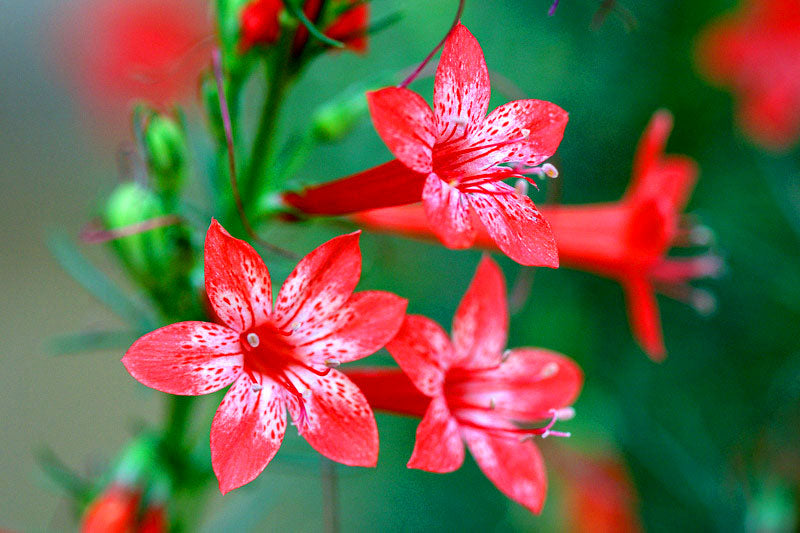
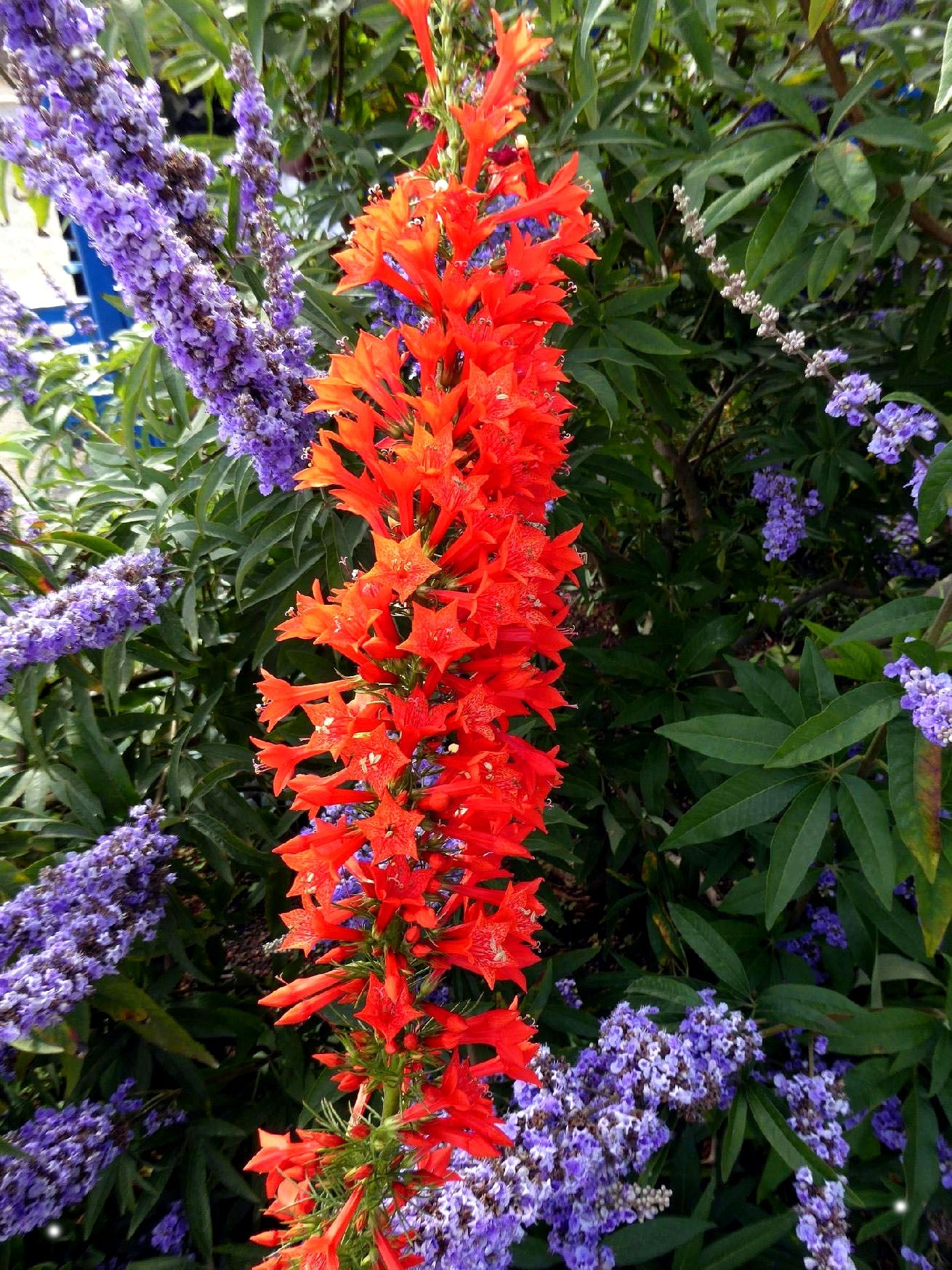
Standing Cypress – 150 Seeds (Ipomopsis rubra)
Add a dramatic vertical accent to your garden with Standing Cypress (Ipomopsis rubra). This hardy biennial or short-lived perennial produces tall, slender spikes covered with brilliant scarlet-red, trumpet-shaped flowers. Loved by hummingbirds, butterflies, and bees, it creates a striking display in wildflower meadows, cottage gardens, and naturalized plantings. Its fern-like foliage provides texture, while the flowers bloom in succession for weeks of color.
Why Grow Standing Cypress?
-
Vibrant scarlet-red tubular flowers
-
Attracts hummingbirds, butterflies, and pollinators
-
Tall, airy spires up to 90–150 cm
-
Perfect for naturalistic and meadow plantings
-
Heat and drought tolerant once established
Key Features
-
Type: Biennial or short-lived perennial wildflower
-
Height: 90–150 cm
-
Flowering: Summer (July–September)
-
Position: Full sun; well-drained soil
-
Uses: Pollinator gardens, borders, meadows, cut flowers
Ideal For
-
Wildflower meadows & prairie gardens
-
Pollinator-friendly planting
-
Adding height to borders and backdrops
-
Low-maintenance, drought-tolerant landscapes
Sowing & Growing
-
Sow indoors: March–April in trays or pots, cover lightly with soil
-
Sow outdoors: Directly in April–June where they are to grow
-
Germination: 14–21 days at 18–22°C
-
Thin/plant spacing: 25–30 cm apart
-
Flowers the second year, but may self-seed for naturalized displays
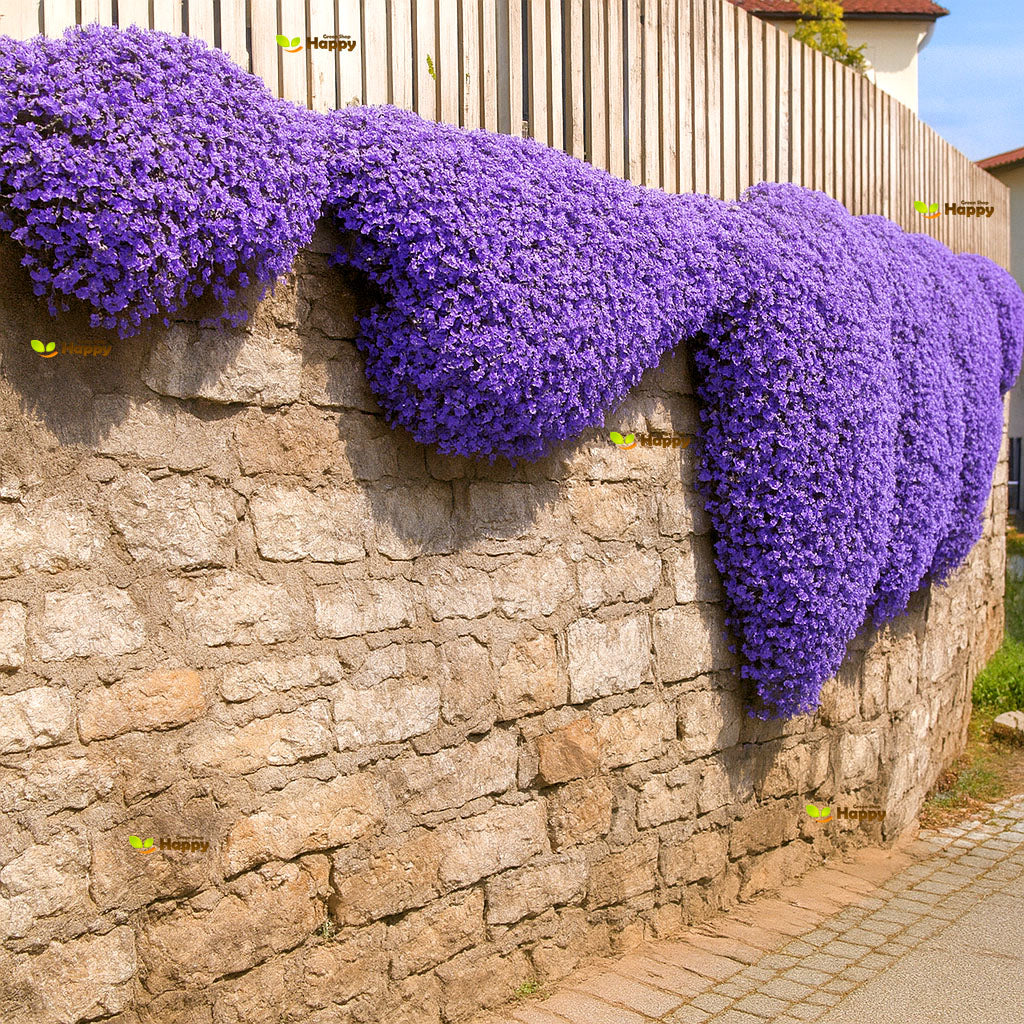
Rock Cress 'Cascade Mix' Seeds (Aubrieta cultorum hybrida)
Rock Cress 'Cascade Mix' is a low-growing perennial that creates a carpet of vibrant spring color. Its trailing habit and masses of purple, pink, red, and violet blooms spill beautifully over walls, borders, and rock gardens. Hardy and easy to grow, it’s a spring favorite for adding rich groundcover.
What Makes It Special
-
Produces a cascade of bright spring flowers
-
Excellent for rockeries, walls, and edging
-
Hardy and long-lasting groundcover
Key Features
-
Botanical name: Aubrieta cultorum hybrida
-
Hardy perennial
-
Height: 10–15 cm
-
Bloom time: Spring to early summer
Ideal For
-
Rock gardens and slopes
-
Edging and groundcover
-
Walls, containers, and cottage gardens
Sowing
-
Sow indoors Feb–Apr or outdoors Apr–Jun
-
Lightly cover seeds with soil
-
Germination: 14–21 days at 18–20°C
-
Transplant 20–25 cm apart
-
Flowers from the second year onward
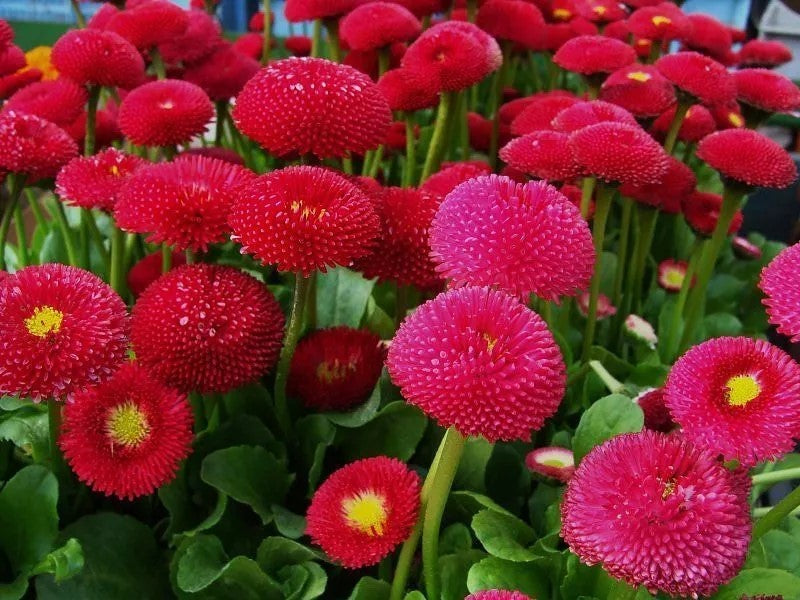
English Daisy 'Pomponette' Red Seeds (Bellis perennis)
The English Daisy ‘Pomponette’ Red is a compact and eye-catching spring flower that produces dense, pompon-shaped double blooms in deep crimson to bright scarlet shades. Perfect for borders, edging, containers, or spring bedding, these hardy daisies bring vibrant early-season color and combine beautifully with tulips, violas, and forget-me-nots.
What Makes It Special
-
Striking pompon-style flowers in vivid red tones
-
Compact and hardy perennial, often grown as a biennial
-
Early-flowering, adding bold color in spring
-
Easy to grow and reliable in many garden settings
Key Features
-
Botanical name: Bellis perennis
-
Variety: Pomponette Red
-
Height/Spread: 15–20 cm tall, 15–20 cm spread
-
Position: Full sun or partial shade; moist, fertile, well-drained soil
-
Flowering period: Early spring to early summer
-
Lifespan: Perennial, usually treated as a biennial
Ideal For
-
Spring borders and edging
-
Containers, pots, and window boxes
-
Cottage gardens and traditional bedding displays
-
Pairing with spring bulbs like tulips, daffodils, and hyacinths
-
Adding a bold red highlight among softer pastel flowers
Sowing Instructions
-
When to sow: May to July for flowers the following spring.
-
How to sow:
-
Sow on the surface of moist seed compost, as seeds need light to germinate.
-
Keep at 15–20°C; germination takes 14–28 days.
-
-
Transplant/Thin: Prick out seedlings when large enough, then grow on in cooler conditions. Harden off before planting 15–20 cm apart.
-
Care: Remove faded flowers to prolong blooming. Protect young plants from severe frost.
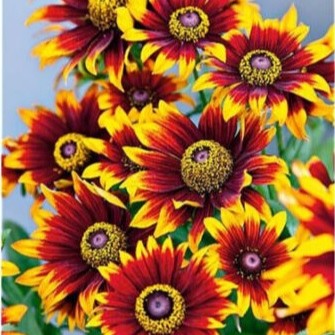
Coneflower 'Orange Fudge' Seeds (Rudbeckia hirta)
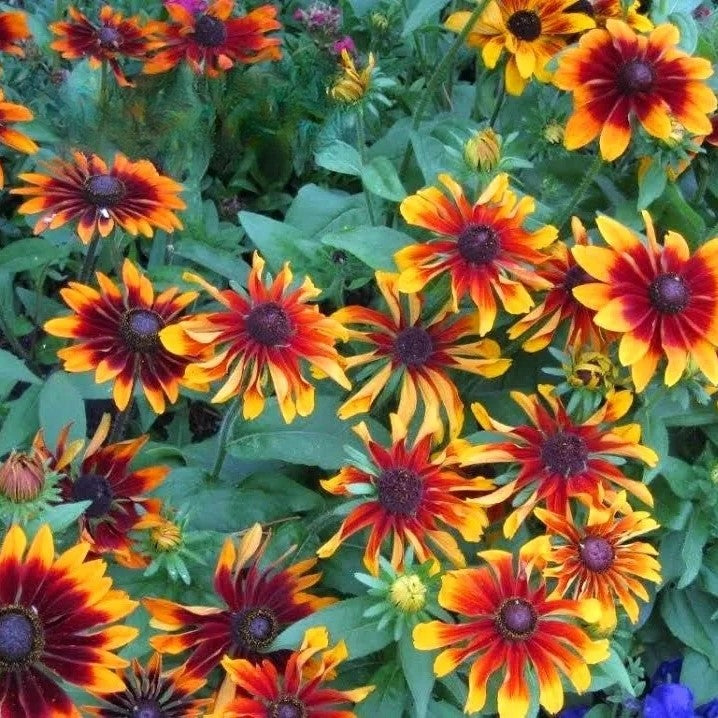
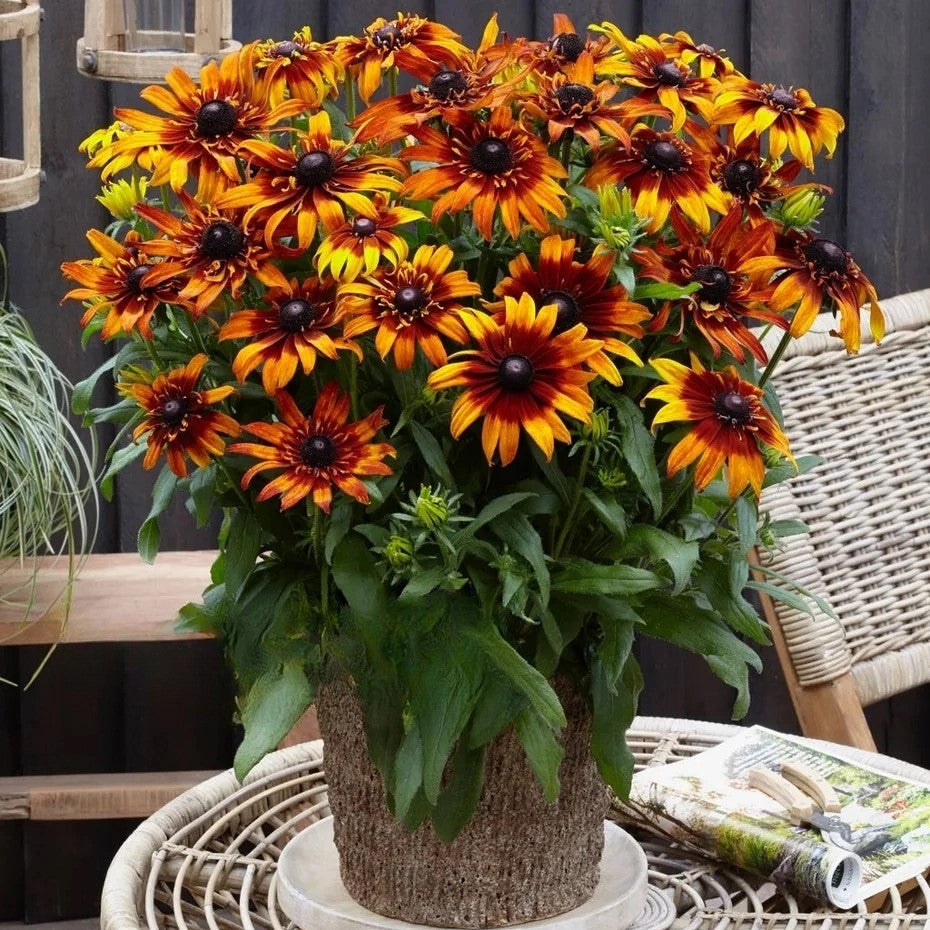
Bring warm, glowing color to your garden with Coneflower 'Orange Fudge'. This striking Rudbeckia variety produces rich orange petals with a warm golden touch and dark contrasting centers. Long-flowering and easy to grow, they add bold charm to borders, wildlife gardens, and cut flower arrangements.
What Makes It Special
-
Unique orange blooms with dark centers
-
Long-lasting flowers from summer to autumn
-
Attracts bees, butterflies, and pollinators
Key Features
-
Botanical name: Rudbeckia hirta
-
Hardy annual / short-lived perennial
-
Height: 50–60 cm
-
Blooming period: July–October
-
Drought-tolerant and low maintenance
Ideal For
-
Cottage and wildlife gardens
-
Borders and mixed beds
-
Summer cut flower bouquets
Sowing
-
Sow indoors from February–April or outdoors from May
-
Lightly cover seeds and keep moist (germination: 14–21 days at 18–22°C)
-
Transplant seedlings after frost into sunny, well-drained soil
-
Flowers in the first season
Iceland Poppy ‘F2 Wind Song’ Mix Seeds (Papaver nudicaule)
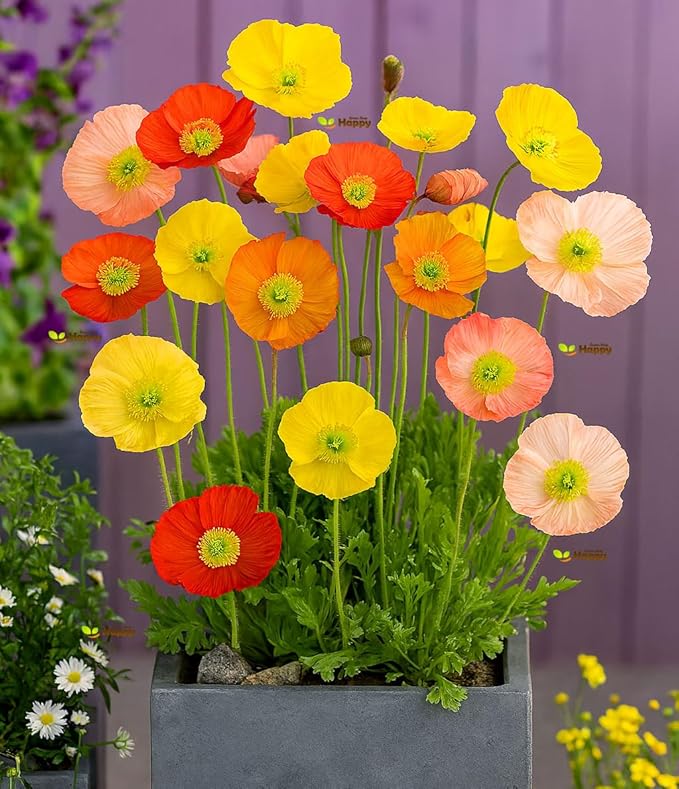
A delicate and charming mix, Iceland Poppy ‘F2 Wind Song’ produces vibrant, papery blooms in shades of pink, orange, yellow, and white. Hardy and long-flowering, these poppies are perfect for borders, rock gardens, and wildflower-style plantings, bringing cheerful color from late spring into summer.
What Makes It Special
-
Soft, papery flowers in a mix of pastel and bright shades
-
Hardy, compact plants that thrive in cooler climates
-
Attracts bees and pollinators, enhancing wildlife-friendly gardens
Key Features
-
Botanical name: Papaver nudicaule
-
Hardy perennial (often grown as an annual)
-
Height: 30–45 cm (12–18 in)
-
Bloom time: Late spring to early summer
Ideal For
-
Borders, beds, and rock gardens
-
Wildflower and cottage-style plantings
-
Containers and pots for bright seasonal color
Sowing
-
Sow indoors Feb–Apr or outdoors Mar–May
-
Scatter seeds on the surface of well-drained soil; do not cover
-
Germination: 14–28 days at 15–20°C
-
Thin seedlings to 20–30 cm apart
-
Flowers the same year when sown in spring
Showing 54/146


