
Sort by:
51 products
51 products
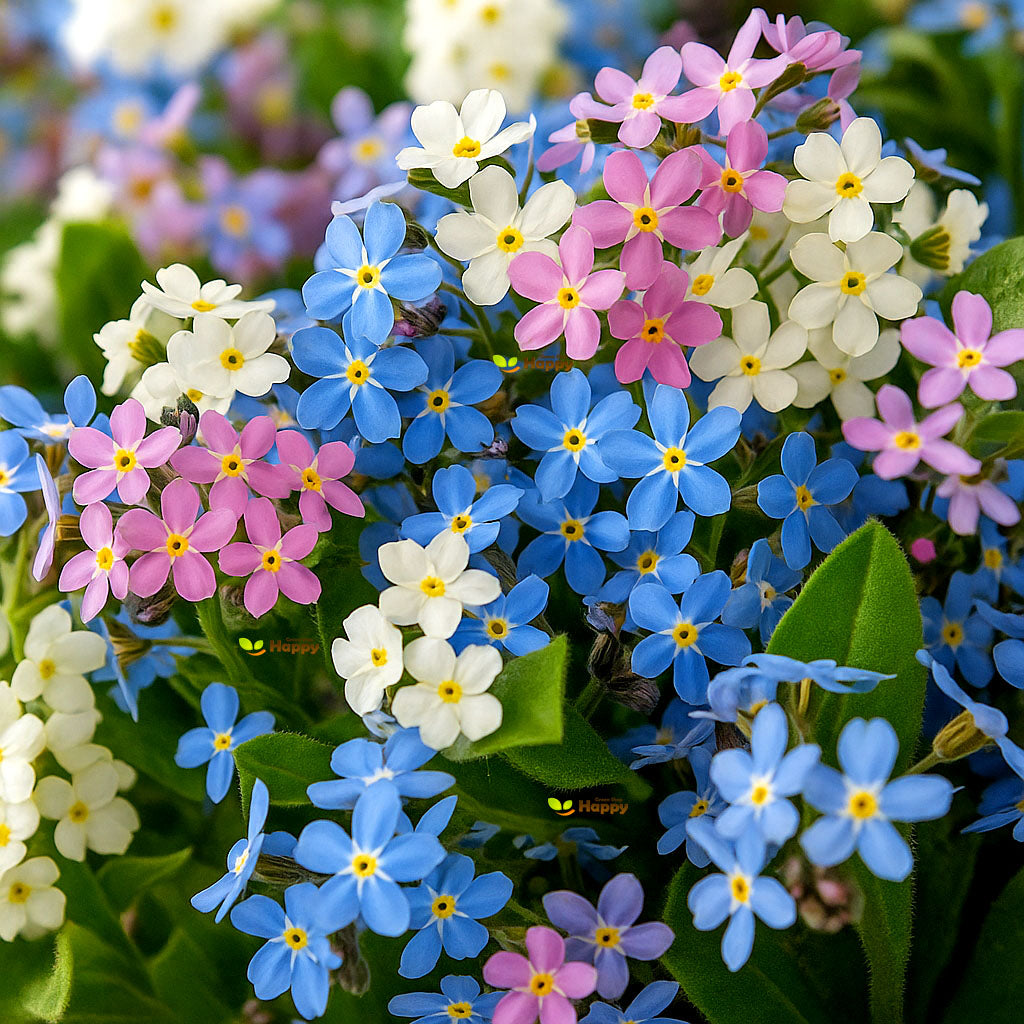
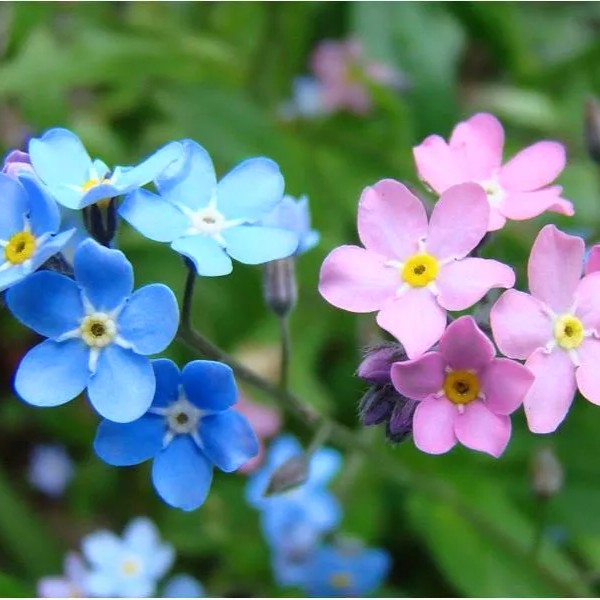
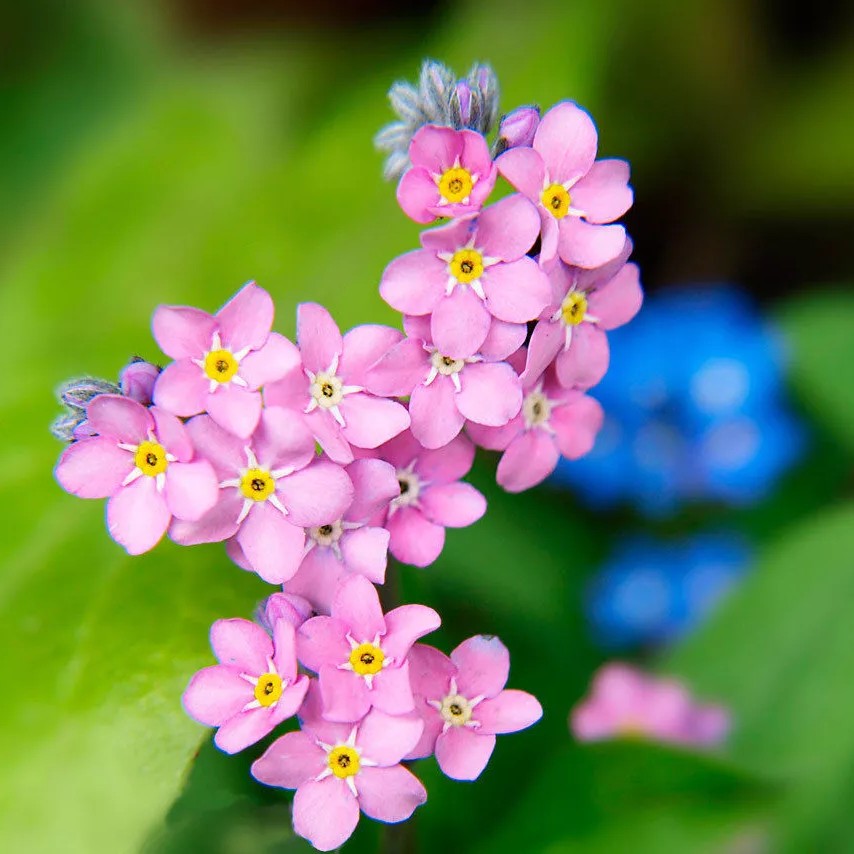
Alpine Forget-Me-Not Mix Seeds (Myosotis alpestris)
The Alpine Forget-Me-Not Mix is a charming, low-growing perennial that produces masses of tiny star-shaped flowers in soft shades of blue, pink, and white. Known for their delicate beauty and sentimental symbolism, forget-me-nots are perfect for naturalizing in borders, rock gardens, and wildflower meadows. These compact plants are especially suited for alpine and cottage garden settings, where they create a cheerful carpet of spring color.
What Makes It Special
-
Beloved for their dainty flowers and long-lasting symbolism of remembrance
-
Compact, low-growing plants ideal for rock gardens and alpine beds
-
Early-season blooms bring vibrant color to spring gardens
-
Excellent for naturalizing and combining with tulips or daffodils
Key Features
-
Botanical name: Myosotis alpestris
-
Variety: Alpine Mix
-
Height/Spread: 15–25 cm tall, 15–20 cm spread
-
Position: Full sun to partial shade; thrives in moist, well-drained soil
-
Flowering period: Spring to early summer
-
Lifespan: Hardy perennial (often grown as biennial in some climates)
Ideal For
-
Rock gardens and alpine beds
-
Cottage gardens and wildflower meadows
-
Spring bulb companions (daffodils, tulips)
-
Borders, edging, and naturalized plantings
Sowing Instructions
-
When to sow: Late spring to early summer (May–July) for flowers the following year.
-
How to sow:
-
Sow thinly in trays or directly in a prepared bed.
-
Cover lightly with fine soil or compost.
-
Keep soil moist until germination (1–3 weeks).
-
-
Transplant/Thin: Space plants 15–20 cm apart.
-
Care: Prefers cool, moist conditions. Allow some plants to self-seed for naturalized drifts.
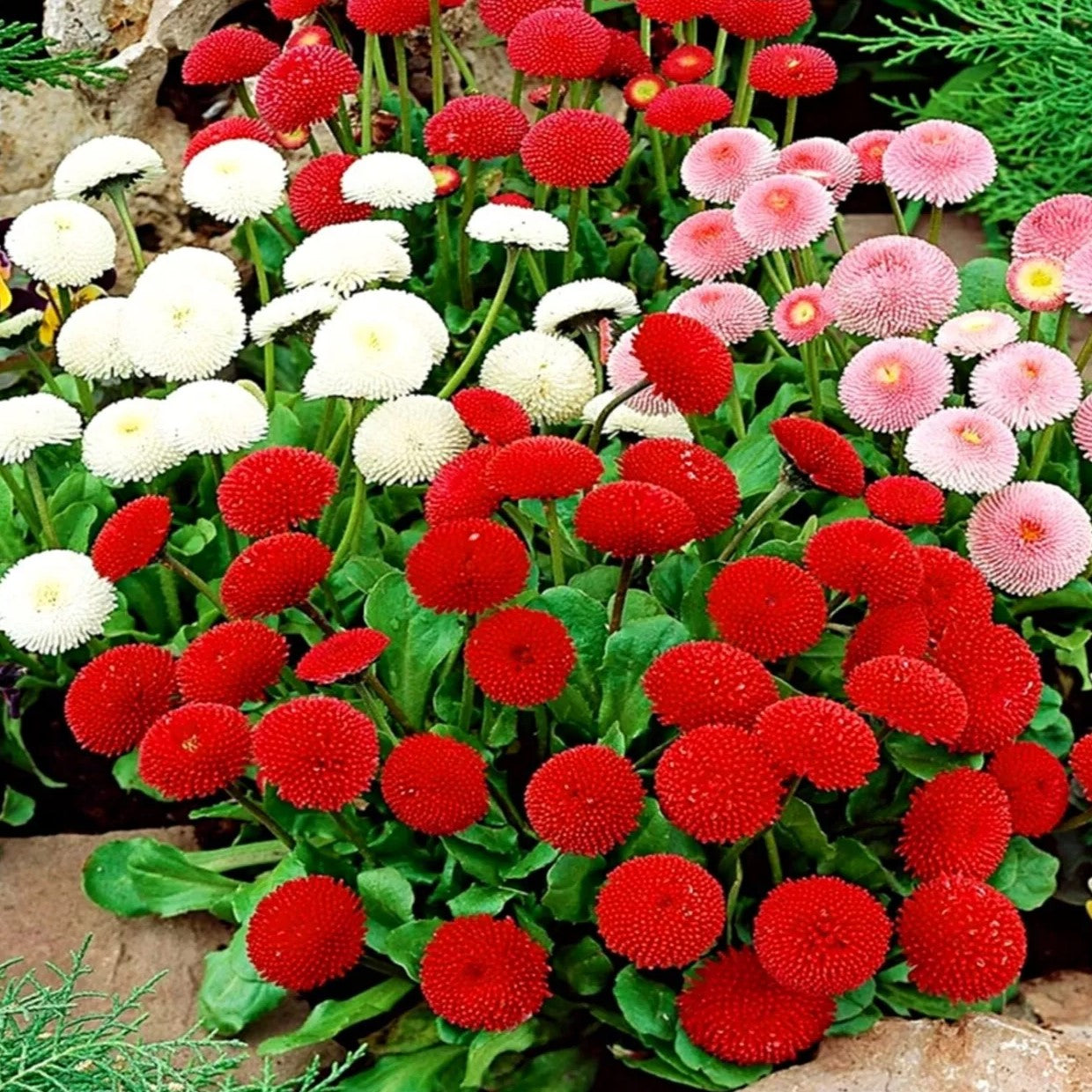
English Daisy 'Pomponette' Mixed Seeds (Bellis perennis)
The English Daisy ‘Pomponette’ is a charming cottage garden favorite, loved for its dense pompon-like blooms in shades of red, pink, and white. Compact and cheerful, these dainty flowers create vibrant color displays in borders, pots, and spring bedding schemes. Their long flowering period and old-fashioned charm make them a must-have for any traditional garden.
What Makes It Special
-
Produces unique pompon-style blooms in bright mixed colors
-
Hardy, compact, and reliable for early spring displays
-
A classic cottage garden flower with enduring charm
-
Excellent for edging, borders, and containers
Key Features
-
Botanical name: Bellis perennis
-
Variety: Pomponette Mixed
-
Height/Spread: 15–20 cm tall, 15–20 cm spread
-
Position: Full sun or partial shade; prefers moist, well-drained soil
-
Flowering period: Early spring to early summer
-
Lifespan: Perennial, often grown as a biennial
Ideal For
-
Cottage and traditional gardens
-
Spring bedding displays with tulips and primroses
-
Pots, containers, and window boxes
-
Low-growing borders and edging
-
Naturalizing in lawns or meadow-style gardens
Sowing Instructions
-
When to sow: Late spring to mid-summer (May–July) for flowering the following spring.
-
How to sow:
-
Sow thinly on the surface of moist seed compost and press lightly.
-
Do not cover, as seeds need light to germinate.
-
Keep moist at 15–20°C. Germination takes 14–28 days.
-
-
Transplant/Thin: Move seedlings to individual pots or trays when large enough. Plant outdoors 15–20 cm apart.
-
Care: Remove faded blooms to prolong flowering. Protect from harsh frost in the first year.

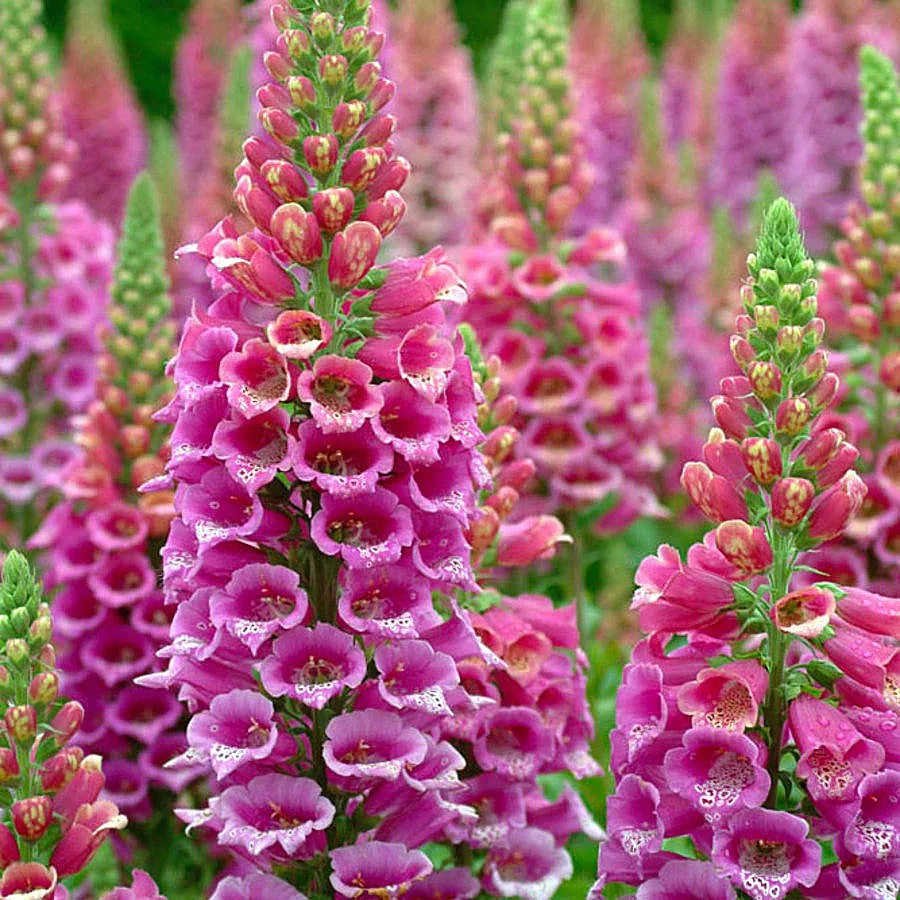

Foxglove 'Excelsior' Mix Seeds (Digitalis purpurea – Biennial)
The Foxglove 'Excelsior' Mix is one of the most admired cottage garden classics, producing tall, elegant spires of tubular flowers in shades of rose, lavender, purple, cream, and white, often marked with speckled throats. Unlike traditional foxgloves, the Excelsior strain displays its flowers all around the stem, creating a fuller and more impressive floral column. As a biennial, it flowers in the second year after sowing and readily self-seeds for future displays.
What Makes It Special
-
Traditional cottage garden favorite with tall, majestic flower spikes
-
Excelsior strain bears blooms on all sides of the stem for maximum impact
-
Attracts bees, butterflies, and hummingbirds
-
Excellent cut flower and stunning for borders or woodland plantings
Key Features
-
Botanical name: Digitalis purpurea
-
Variety: 'Excelsior' Mix
-
Height/Spread: 120–150 cm tall, 40–60 cm spread
-
Position: Partial shade to sun; prefers rich, moist, well-drained soil
-
Flowering period: Late spring to mid-summer (second year)
-
Lifespan: Biennial, often self-seeds for naturalized displays
Ideal For
-
Cottage and woodland-style gardens
-
Back borders for height and structure
-
Naturalizing in shaded areas
-
Pollinator-friendly gardens
Sowing Instructions
-
When to sow: Late spring to summer (May–July) for flowering the following year.
-
How to sow:
-
Sow seeds on the surface of moist compost (do not cover – light aids germination).
-
Keep at 18–22°C until germination (14–30 days).
-
Transplant seedlings 45 cm apart in borders or beds.
-
-
Care: Water regularly, especially in dry spells. Remove spent flower spikes to extend blooming, or allow some to seed for natural regeneration.

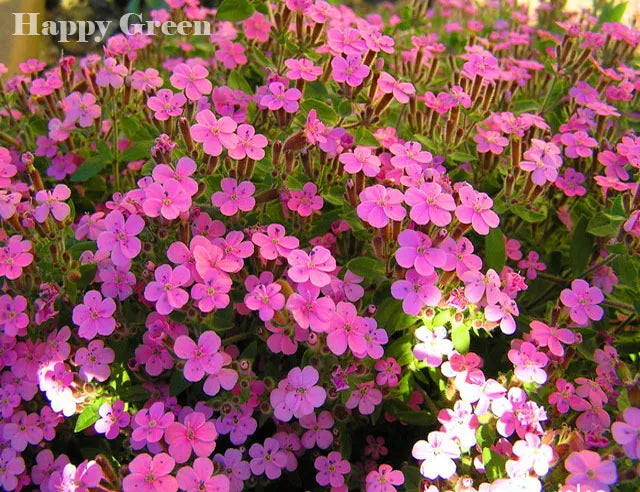
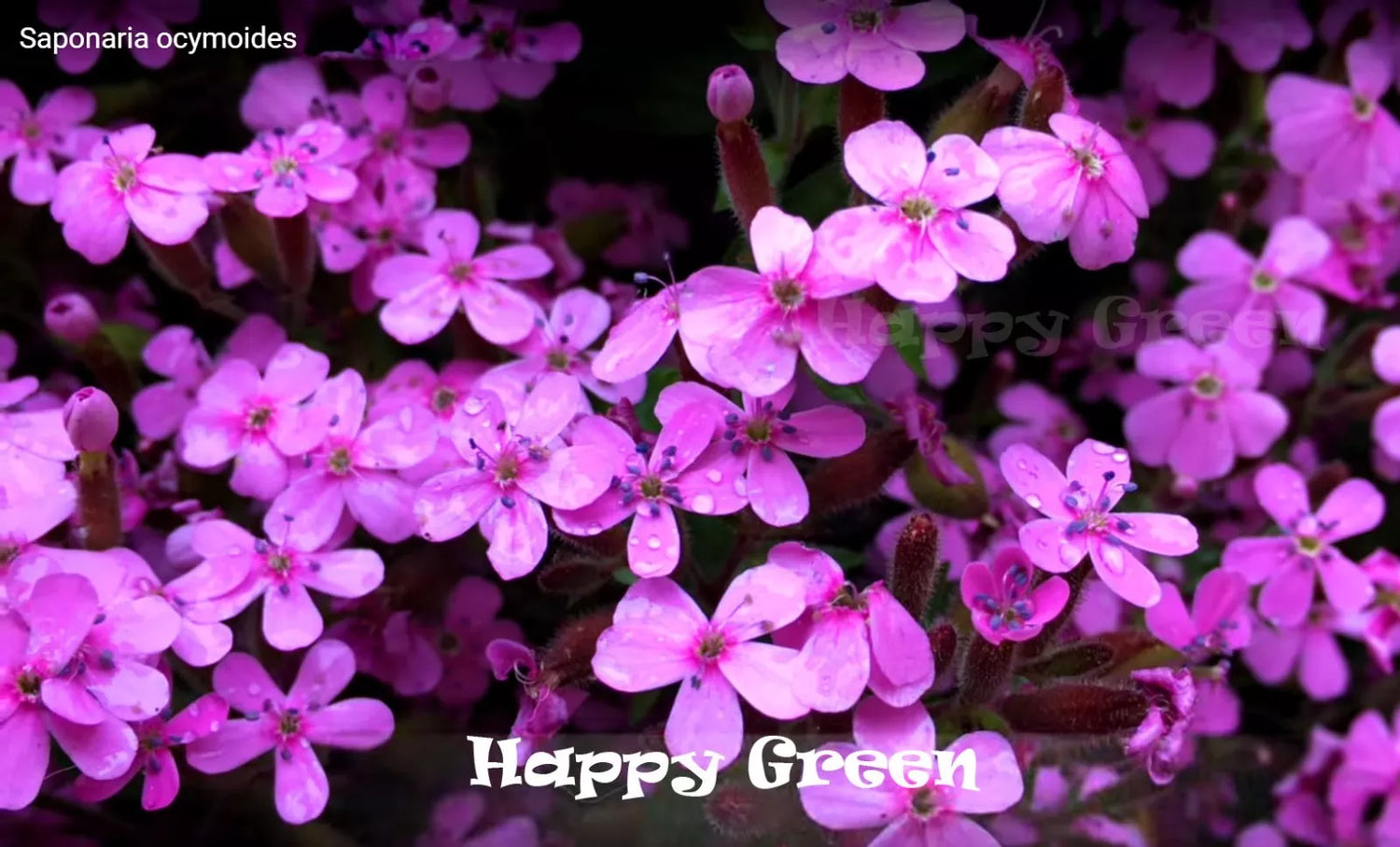
Soapwort – Seeds (Saponaria ocymoides)
Soapwort (Saponaria ocymoides), also known as Rock Soapwort or Tumbling Ted, is a low-growing perennial that forms a carpet of bright pink, starry flowers from late spring through summer. Perfect for rock gardens, walls, or as ground cover, it’s easy to grow and attracts pollinators. Hardy and reliable, it’s ideal for creating long-lasting splashes of color in sunny spots.
Why Grow "Soapwort"
-
Masses of bright pink, star-shaped flowers
-
Hardy, low-maintenance perennial
-
Spreading habit makes excellent ground cover
-
Loved by bees and butterflies
Key Features
-
Type: Perennial (Saponaria ocymoides)
-
Height: 10–15 cm, spreading habit
-
Flowering: May–July
-
Position: Full sun
-
Uses: Rock gardens, walls, ground cover, borders
Ideal For
-
Rockeries and stone walls
-
Low-maintenance ground cover
-
Pollinator-friendly gardens
-
Edging for sunny borders
Sowing & Growing
-
Sow outdoors: March–May or September–October
-
Sow direct in prepared soil, lightly cover
-
Germination: 14–21 days
-
Thin seedlings to 20–25 cm apart
-
Prefers well-drained soil in sunny positions
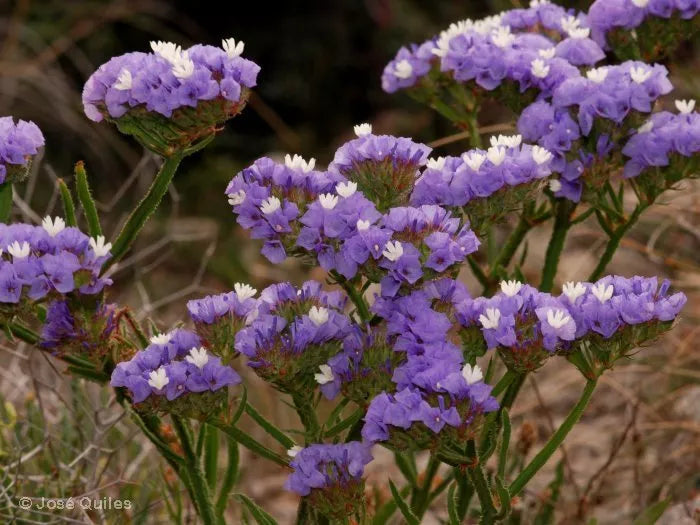
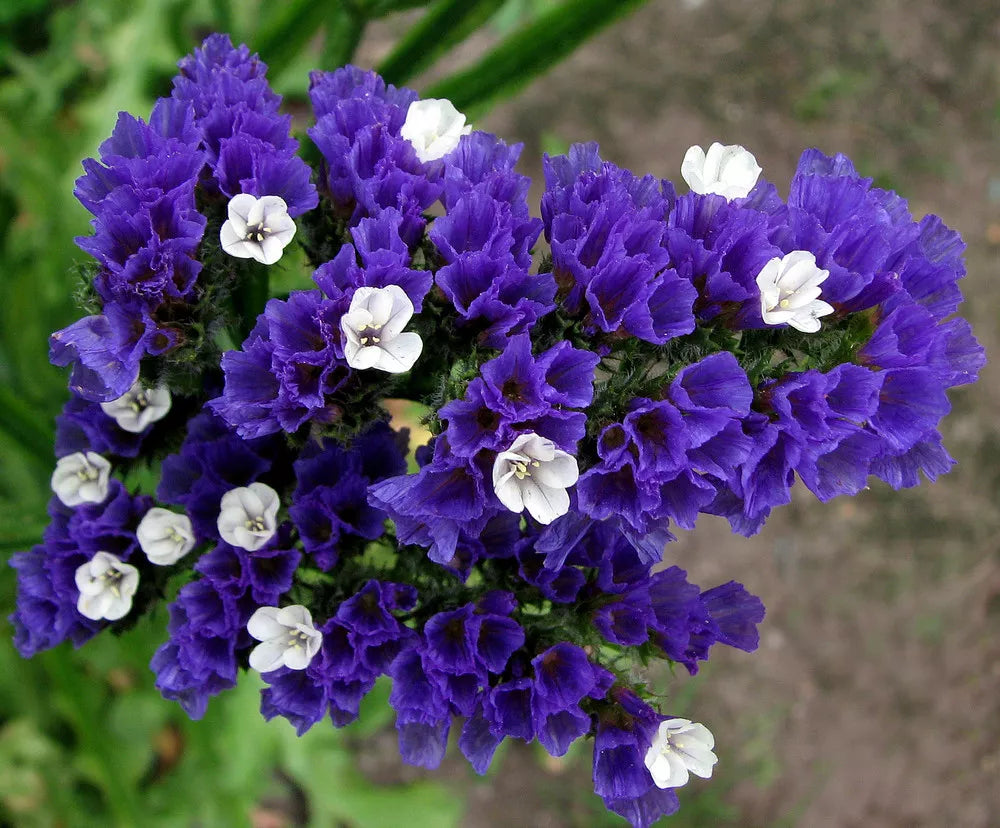
Statice Blue Seeds (Limonium sinuatum)
Statice Blue is a classic everlasting flower, cherished for its vibrant blue papery blooms that retain their color beautifully both fresh and dried. Known for its durability and striking display, this hardy annual is a favorite for cut flower gardens, dried arrangements, and border plantings. With long stems and vivid color, it adds elegance to bouquets and flower beds alike.
What Makes It Special
-
Striking deep blue blooms that hold color when dried
-
Excellent for fresh bouquets and everlasting arrangements
-
Drought-tolerant and low maintenance
-
Long-lasting cut flower with a professional florist’s touch
Key Features
-
Botanical name: Limonium sinuatum
-
Variety: Blue
-
Seed count: Approx. seeds per pack
-
Height/Spread: 60–75 cm tall, 25–30 cm spread
-
Position: Full sun; well-drained, sandy/light soil
-
Flowering period: July–September
Ideal For
-
Fresh cut and dried flower arrangements
-
Cottage gardens and summer borders
-
Drought-tolerant and coastal gardens
-
Pollinator-friendly planting schemes
Sowing Instructions
-
When to sow: February–April indoors; or outdoors after frost has passed
-
How to sow:
-
Sow on the surface of moist compost, cover lightly with vermiculite
-
Keep at 18–20°C; germination in 10–20 days
-
-
Transplanting: Prick out seedlings and grow on; plant 25–30 cm apart once frost-free
-
Care: Prefers light soil and sunny conditions; water sparingly
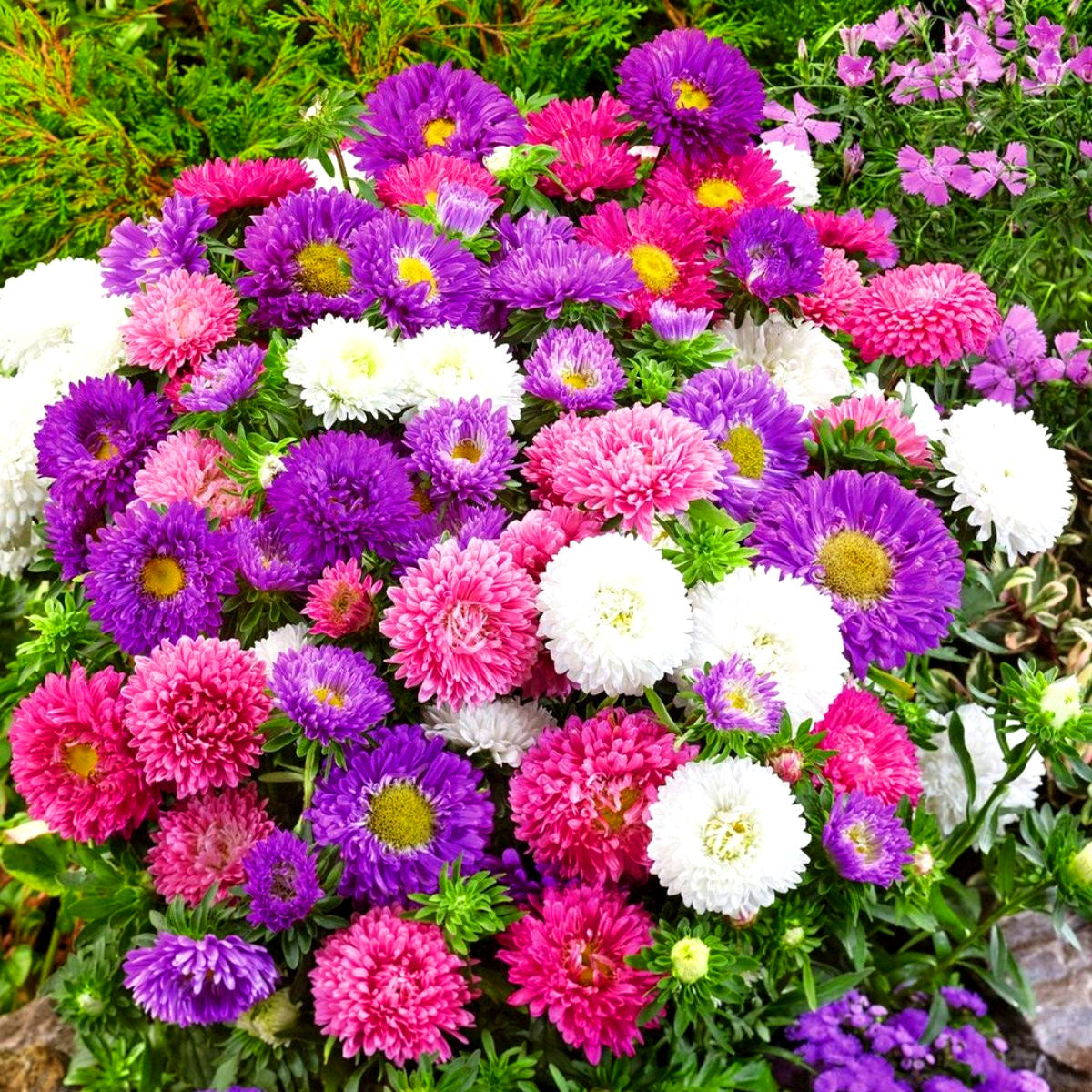
Aster "Color Carpet Mix" – Seeds
(Callistephus chinensis)
Aster "Color Carpet Mix" is a charming dwarf variety that produces a vivid carpet of colorful blooms in late summer and autumn. With compact, bushy growth and daisy-like flowers in shades of pink, purple, red, blue, and white, this mix is perfect for brightening borders, rockeries, and container displays. Long-lasting blooms make them excellent for cutting, bringing cheer indoors as well.
Why Grow Aster "Color Carpet Mix"?
-
Compact, bushy habit with masses of blooms
-
Vibrant mix of summer and autumn colors
-
Long flowering season
-
Great for edging, containers & small gardens
Key Features
-
Type: Half-hardy annual
-
Height: 20–25 cm
-
Blooms: July–October
-
Position: Full sun or partial shade
-
Soil: Well-drained, fertile soil
Ideal For
-
Bedding & edging
-
Rock gardens and low borders
-
Patio containers
-
Cut flower arrangements
Sowing & Growing
-
Sow indoors: February–April, in trays or pots, lightly covering seeds
-
Transplant seedlings outdoors after frost, spacing 20 cm apart
-
Sow outdoors: May, directly where they are to flower
-
Germination: 10–14 days at 18–21°C
-
Remove faded blooms to extend flowering season

Statice Pink Seeds (Limonium sinuatum)
Statice Pink is a charming everlasting flower with delicate papery pink blooms that retain their color beautifully when dried. A classic in cutting gardens, it is highly valued by florists for fresh bouquets and dried arrangements alike. This hardy annual thrives in full sun and light, well-drained soils, providing reliable, long-lasting displays through summer.
What Makes It Special
-
Soft pink blossoms with a papery texture
-
Excellent for both fresh and dried floral arrangements
-
Heat- and drought-tolerant once established
-
Easy-care annual with long flowering season
Key Features
-
Botanical name: Limonium sinuatum
-
Variety: Pink
-
Seed count: Approx. seeds per pack
-
Height/Spread: 60–75 cm tall, 25–30 cm spread
-
Position: Full sun; prefers sandy/light, well-drained soil
-
Flowering period: July–September
Ideal For
-
Cutting gardens and everlasting bouquets
-
Cottage garden borders and mixed beds
-
Drought-tolerant landscapes
-
Florist-quality blooms for arrangements
Sowing Instructions
-
When to sow: February–April indoors; outdoors after danger of frost has passed
-
How to sow:
-
Sow on moist compost surface, cover lightly with vermiculite
-
Keep at 18–20°C; germination in 10–20 days
-
-
Transplanting: Prick out seedlings and grow on; plant 25–30 cm apart once frost-free
-
Care: Requires sunny, well-drained soil; avoid overwatering

🌸 Viola wittrockiana ‘Tempo’ – Hardy, Compact Pansy for Autumn & Early Spring Colour
‘Tempo’ is a reliable bedding pansy series known for its compact growth, mid-sized flowers, and excellent winter hardiness. Ideal for early spring and autumn planting, it produces a vibrant display of blooms in a wide range of colours. Many shades feature charming small “eyes”, adding classic pansy character. The sturdy plants maintain a neat shape and continue flowering through cold, wet, and changeable weather — perfect for borders, pots, window boxes, and mass bedding schemes.
Key Features
● Compact bedding pansy with mid-sized flowers
● Colour range includes types with small patterned “eyes”
● Exceptionally winter-hardy — ideal for autumn and early spring
● Reliable flowering in cold, wet conditions
● Perfect for pots, borders, containers, and bedding
How to Sow & Grow Viola wittrockiana ‘Tempo’ (UK)
Sow indoors: VI–VIII (June–August) in trays or pots
Transplant outdoors: VIII–IX (August–September) once seedlings are large enough to handle
Direct outdoors: VI–VIII (June–August)
Flowering: III–VI (March–June) from autumn sowings; VI–X (June–October) from spring sowings
Germination temperature: 15–20 °C (59–68 °F)
Average germ time: 10–21 days
Depth: Surface sow or cover very lightly (0.2 cm / 1⁄16 in)
Light required: Low light for germination
Moisture: Keep evenly moist
Environment: Full sun to partial shade
Soil type: Moist, fertile, well-drained soil
Plant spacing: 20–25 cm (8–10 in)
Height: 15–20 cm (6–8 in)
Sowing & Growing Tips (variety-specific)
● Keep seeds in low light to improve germination.
● Pinch young plants for bushier, more compact growth.
● Plant in autumn for strong winter establishment.
● Deadhead regularly for extended flowering.
● Excellent for cold, wet climates — extremely hardy.
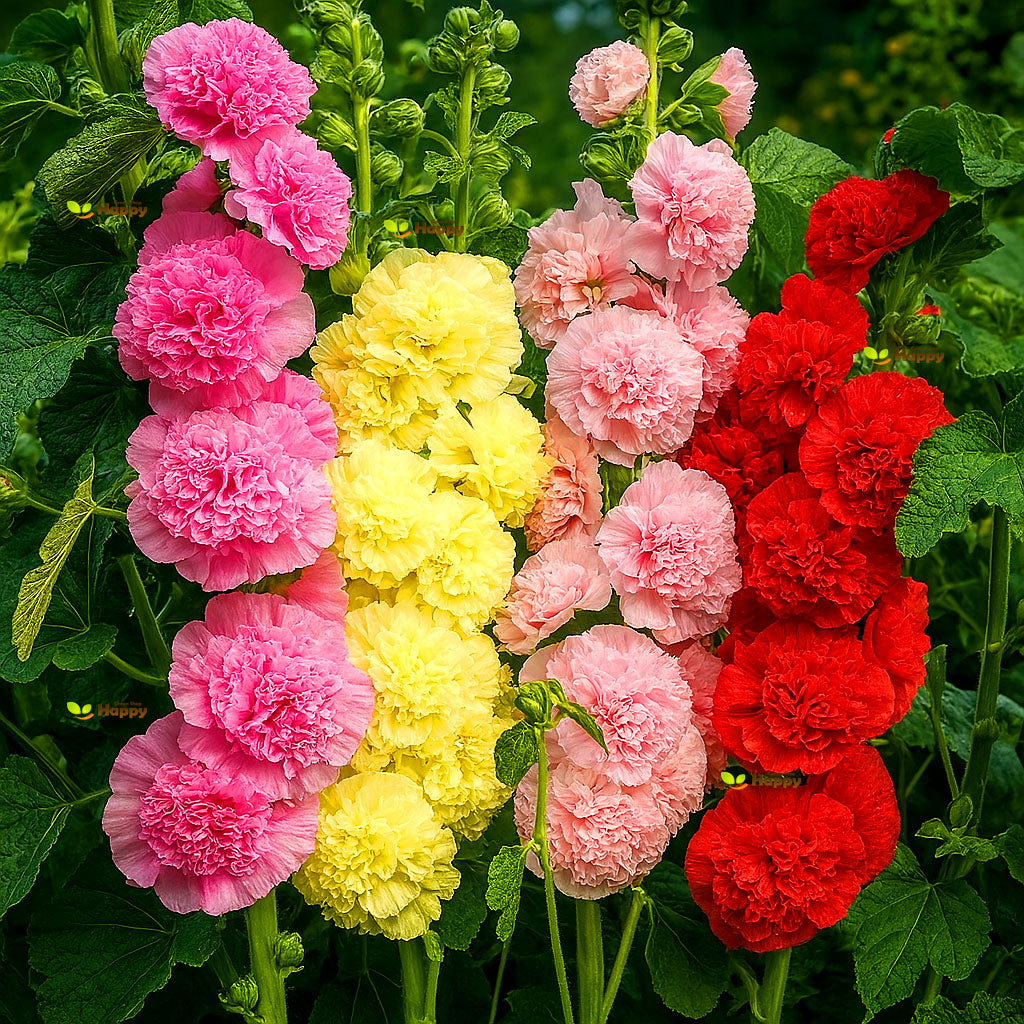
Hollyhock ‘Chaters Double Triumph Mix’ Seeds (Althaea rosea)
A true cottage garden classic, the Hollyhock ‘Chaters Double Triumph Mix’ produces tall, stately flower spikes adorned with large, fully double blooms in a rich blend of colors – from soft pastels to vibrant shades. These majestic perennials (often grown as biennials) create a dramatic vertical accent at the back of borders, alongside walls, or in wildflower-style gardens.
What Makes It Special
-
Stunning double blooms in a wide range of colors
-
Impressive tall spires up to 1.8–2.5 m high
-
Attracts bees, butterflies, and pollinators
-
A long-standing favorite in cottage and traditional gardens
Key Features
-
Botanical name: Althaea rosea
-
Common name: Hollyhock Chaters Double Triumph Mix
-
Seed count: Approx. per pack (customizable)
-
Height/Spread: 180–250 cm tall, 50–60 cm spread
-
Position: Full sun; well-drained fertile soil
-
Flowering period: July – September (second year from sowing)
-
Lifespan: Hardy biennial/perennial
Ideal For
-
Cottage and traditional garden borders
-
Planting against walls and fences
-
Pollinator-friendly gardens
-
Creating dramatic vertical height in displays
Sowing Instructions
-
When to sow: Indoors March–May or directly outdoors May–June.
-
How to sow:
-
Sow seeds thinly in trays or pots of moist seed compost, cover lightly.
-
Keep at 15–20°C for germination (14–21 days).
-
Transplant seedlings when large enough, spacing 45–60 cm apart.
-
-
Care: Provide support in exposed areas. Deadhead faded flowers to encourage further blooming.
Showing 18/51


