
Sort by:
51 products
51 products
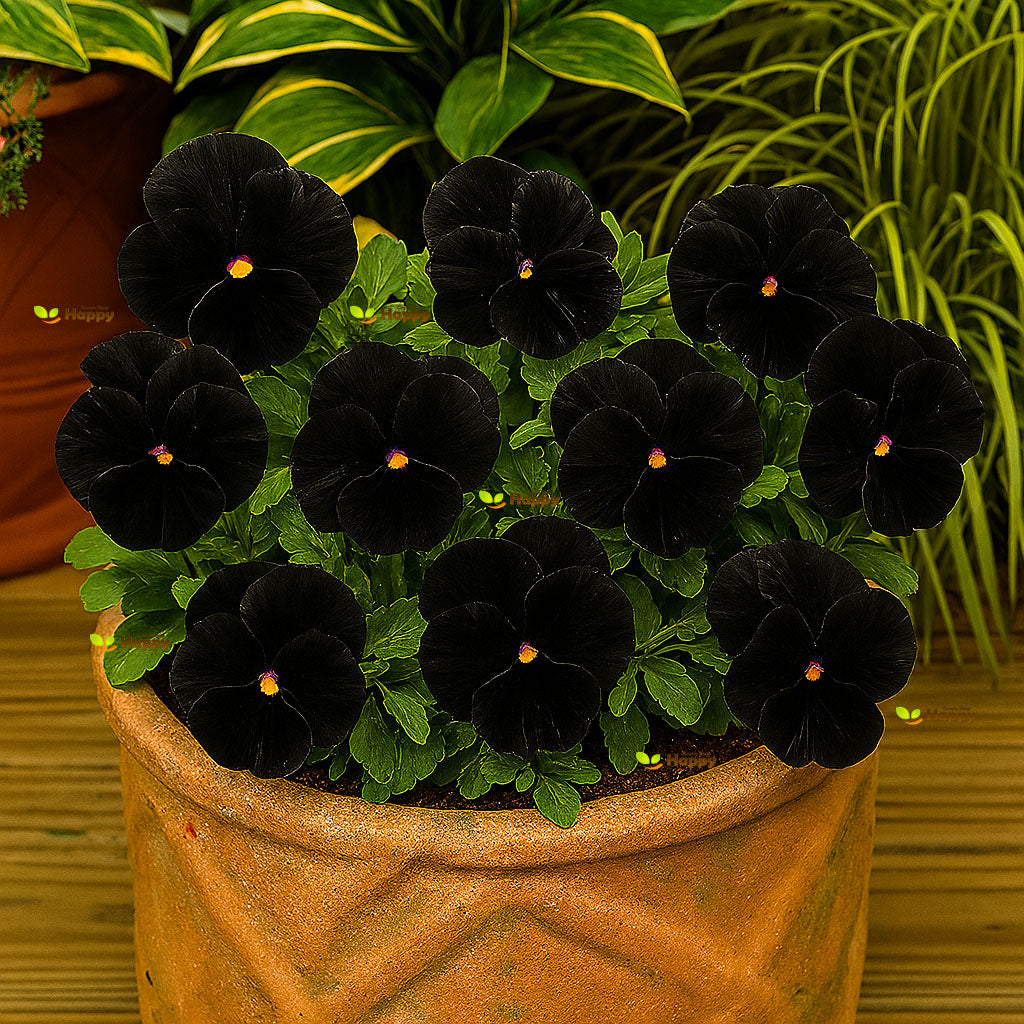
Pansy ‘Clear Crystals Black’ – Seeds (Viola wittrockiana)
Pansy ‘Clear Crystals Black’ (Viola wittrockiana) is a dramatic and elegant variety with large, velvety, jet-black blooms. Compact and easy to grow, it flowers from early spring through summer, and again in autumn with lasting displays. Perfect for borders, bedding, window boxes, and containers, these striking flowers also make excellent companions in mixed plantings. Hardy and reliable, pansies add bold contrast to the garden while attracting pollinators.
Why Grow "Clear Crystals Black"
-
Striking velvety black blooms for dramatic displays
-
Long flowering season from spring to autumn
-
Compact, hardy, and easy to grow
-
Great for borders, containers, and window boxes
Key Features
-
Type: Hardy annual/biennial (Viola wittrockiana)
-
Height: 15–20 cm
-
Flowering: Spring to autumn
-
Position: Full sun or partial shade
-
Uses: Bedding, borders, containers, window boxes, pollinator gardens
Ideal For
-
Adding dramatic color contrast to displays
-
Early spring and autumn garden interest
-
Compact planting in pots and containers
-
Pollinator-friendly planting schemes
Sowing & Growing
-
Sow indoors: February–April or July–September
-
Germination: 10–20 days at 15–20°C
-
Transplant seedlings 15–20 cm apart
-
Prefers rich, moist but well-drained soil
-
Deadhead regularly to prolong blooming
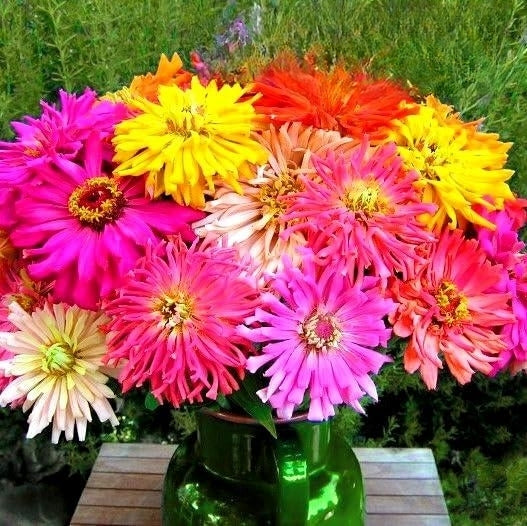
Zinnia 'Burpeeana Giants Mix' – Seeds
(Zinnia elegans)
Zinnia 'Burpeeana Giants Mix' is a spectacular blend of bold, fully double blooms reaching up to 12–15 cm across. This mix features an array of dazzling colours, from vibrant reds, pinks, and oranges to golden yellows and whites. The tall, sturdy plants make a striking display in the garden and provide excellent cut flowers. Heat-loving and easy to grow, these zinnias are perfect for a summer of nonstop colour.
Key Features
-
Type: Half-hardy annual
-
Height: 75–100 cm
-
Spread: 30–40 cm
-
Flowering: July–October
-
Position: Full sun
-
Soil: Fertile, well-drained
Ideal For
-
Cottage gardens
-
Bold, colourful borders
-
Summer bedding displays
-
Cut flower gardens
Sowing & Growing
-
Sow indoors: March–April at 18–22°C
-
Sow outdoors: May, after frost risk has passed
-
Germination: 7–14 days
-
Transplant/Thin: 30–40 cm apart
-
Remove spent blooms to encourage more flowers

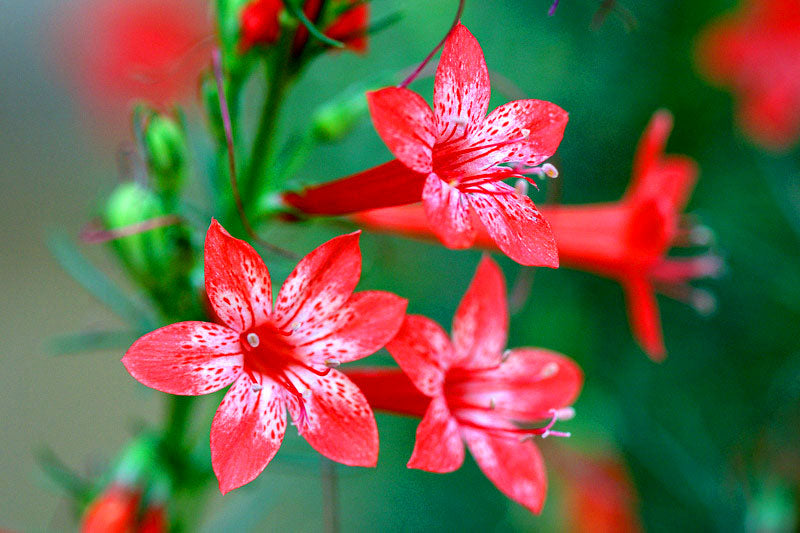
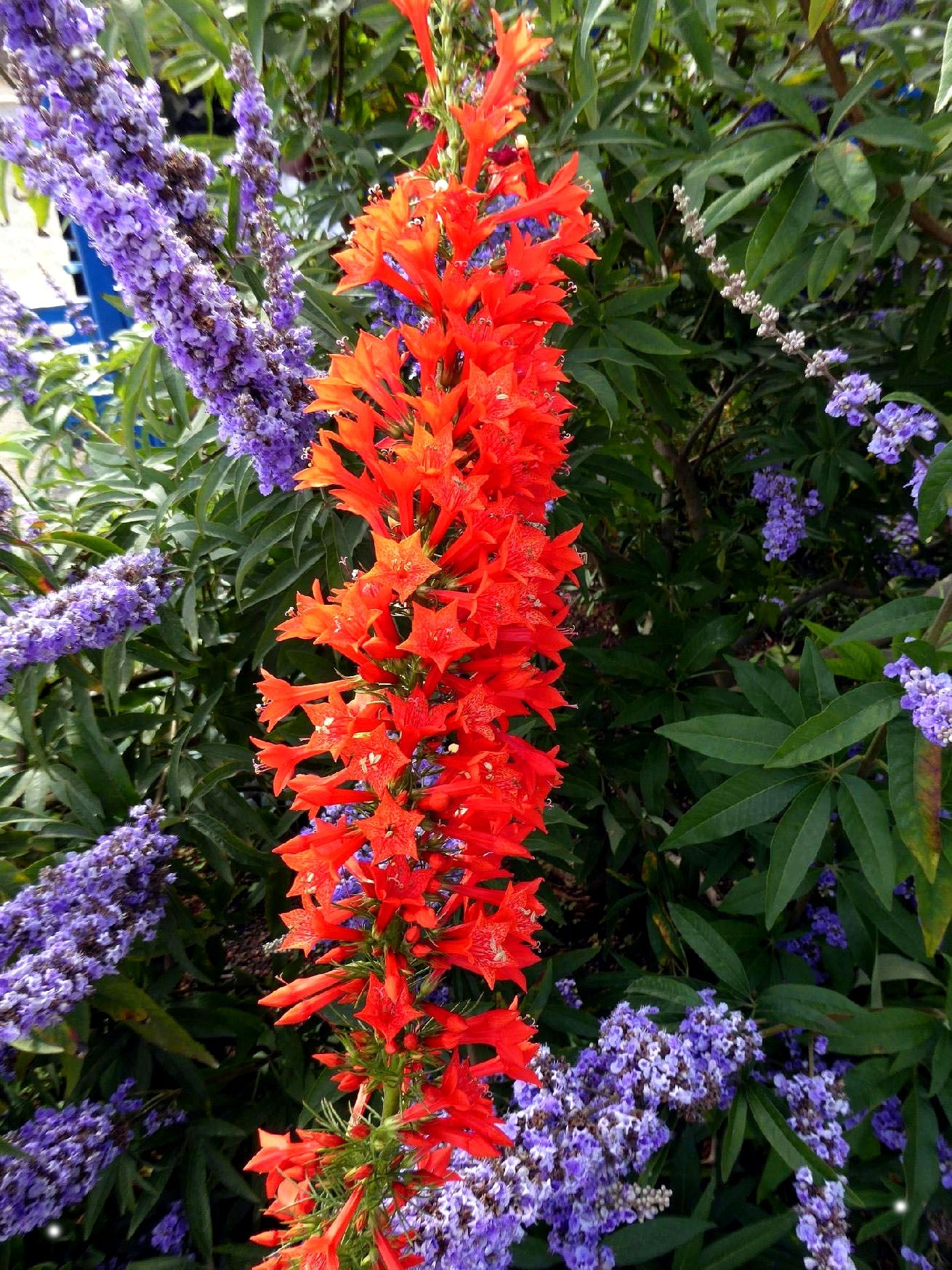
Standing Cypress – 150 Seeds (Ipomopsis rubra)
Add a dramatic vertical accent to your garden with Standing Cypress (Ipomopsis rubra). This hardy biennial or short-lived perennial produces tall, slender spikes covered with brilliant scarlet-red, trumpet-shaped flowers. Loved by hummingbirds, butterflies, and bees, it creates a striking display in wildflower meadows, cottage gardens, and naturalized plantings. Its fern-like foliage provides texture, while the flowers bloom in succession for weeks of color.
Why Grow Standing Cypress?
-
Vibrant scarlet-red tubular flowers
-
Attracts hummingbirds, butterflies, and pollinators
-
Tall, airy spires up to 90–150 cm
-
Perfect for naturalistic and meadow plantings
-
Heat and drought tolerant once established
Key Features
-
Type: Biennial or short-lived perennial wildflower
-
Height: 90–150 cm
-
Flowering: Summer (July–September)
-
Position: Full sun; well-drained soil
-
Uses: Pollinator gardens, borders, meadows, cut flowers
Ideal For
-
Wildflower meadows & prairie gardens
-
Pollinator-friendly planting
-
Adding height to borders and backdrops
-
Low-maintenance, drought-tolerant landscapes
Sowing & Growing
-
Sow indoors: March–April in trays or pots, cover lightly with soil
-
Sow outdoors: Directly in April–June where they are to grow
-
Germination: 14–21 days at 18–22°C
-
Thin/plant spacing: 25–30 cm apart
-
Flowers the second year, but may self-seed for naturalized displays

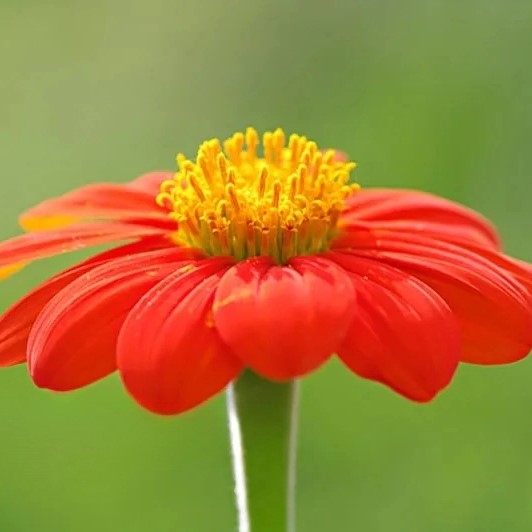
Mexican Sunflower Scarlet Red Seeds (Tithonia speciosa)
The Mexican Sunflower ‘Scarlet Red’ (Tithonia speciosa) is a bold, heat-loving annual that produces masses of large, daisy-like blooms in brilliant scarlet-red. A true magnet for butterflies, bees, and hummingbirds, this tall and vibrant flower adds fiery color to borders, wildlife gardens, and cutting displays. With its long flowering season and easy care, it thrives in sunny spots and poor soils.
Why Grow Mexican Sunflower ‘Scarlet Red’?
-
Striking scarlet-red blooms up to 8 cm across
-
Loved by pollinators and beneficial insects
-
Tall, branching plants for a dramatic display
-
Thrives in heat, sun, and poor soil
Key Features
-
Botanical name: Tithonia speciosa
-
Type: Half-hardy annual
-
Height: 120–150 cm
-
Spread: 60–75 cm
-
Flowering: July–October
Ideal For
-
Cottage and wildlife gardens
-
Pollinator-friendly plantings
-
Tall borders and backdrops
-
Cut flower arrangements
Sowing & Growing
-
Sow indoors: March–April, 0.5 cm deep in trays or pots
-
Transplant outdoors after frost, spacing 40–50 cm apart
-
Sow outdoors: May, directly where they are to grow
-
Prefers full sun and well-drained soil
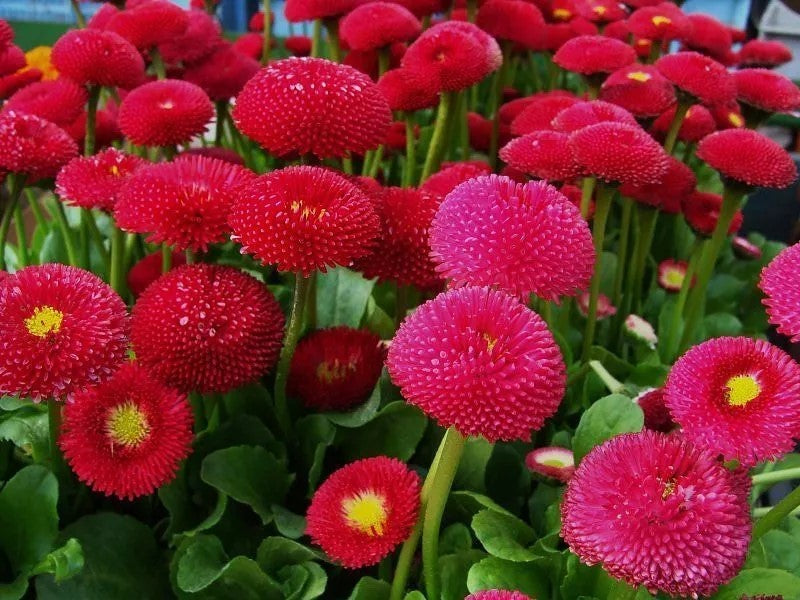
English Daisy 'Pomponette' Red Seeds (Bellis perennis)
The English Daisy ‘Pomponette’ Red is a compact and eye-catching spring flower that produces dense, pompon-shaped double blooms in deep crimson to bright scarlet shades. Perfect for borders, edging, containers, or spring bedding, these hardy daisies bring vibrant early-season color and combine beautifully with tulips, violas, and forget-me-nots.
What Makes It Special
-
Striking pompon-style flowers in vivid red tones
-
Compact and hardy perennial, often grown as a biennial
-
Early-flowering, adding bold color in spring
-
Easy to grow and reliable in many garden settings
Key Features
-
Botanical name: Bellis perennis
-
Variety: Pomponette Red
-
Height/Spread: 15–20 cm tall, 15–20 cm spread
-
Position: Full sun or partial shade; moist, fertile, well-drained soil
-
Flowering period: Early spring to early summer
-
Lifespan: Perennial, usually treated as a biennial
Ideal For
-
Spring borders and edging
-
Containers, pots, and window boxes
-
Cottage gardens and traditional bedding displays
-
Pairing with spring bulbs like tulips, daffodils, and hyacinths
-
Adding a bold red highlight among softer pastel flowers
Sowing Instructions
-
When to sow: May to July for flowers the following spring.
-
How to sow:
-
Sow on the surface of moist seed compost, as seeds need light to germinate.
-
Keep at 15–20°C; germination takes 14–28 days.
-
-
Transplant/Thin: Prick out seedlings when large enough, then grow on in cooler conditions. Harden off before planting 15–20 cm apart.
-
Care: Remove faded flowers to prolong blooming. Protect young plants from severe frost.
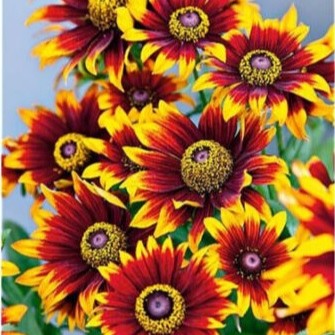
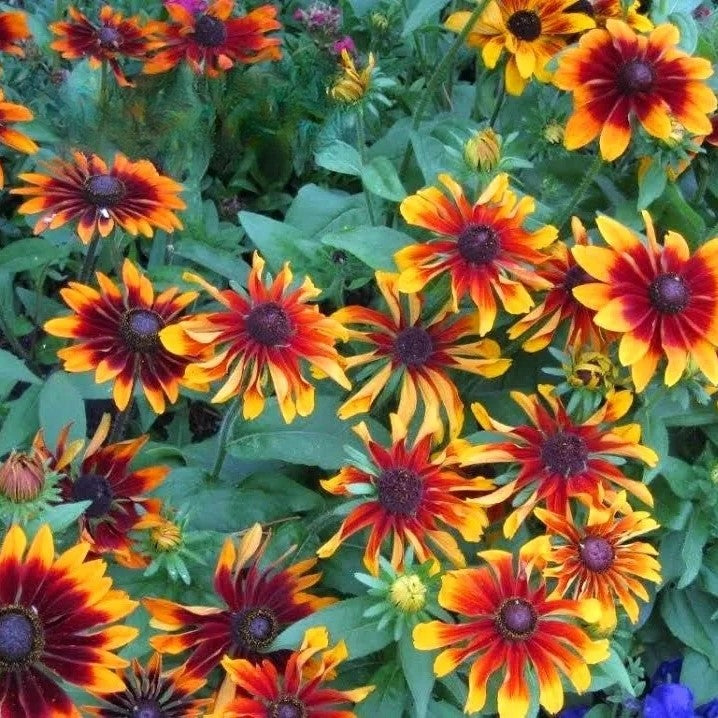
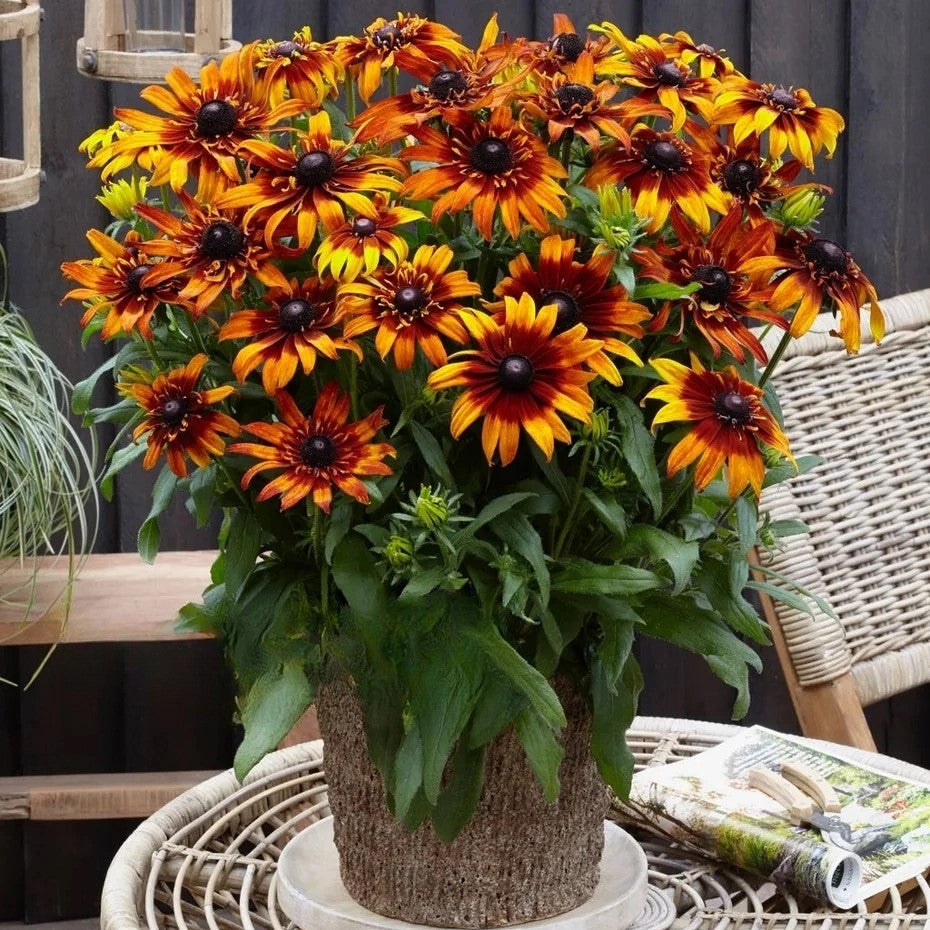
Coneflower 'Orange Fudge' Seeds (Rudbeckia hirta)
Bring warm, glowing color to your garden with Coneflower 'Orange Fudge'. This striking Rudbeckia variety produces rich orange petals with a warm golden touch and dark contrasting centers. Long-flowering and easy to grow, they add bold charm to borders, wildlife gardens, and cut flower arrangements.
What Makes It Special
-
Unique orange blooms with dark centers
-
Long-lasting flowers from summer to autumn
-
Attracts bees, butterflies, and pollinators
Key Features
-
Botanical name: Rudbeckia hirta
-
Hardy annual / short-lived perennial
-
Height: 50–60 cm
-
Blooming period: July–October
-
Drought-tolerant and low maintenance
Ideal For
-
Cottage and wildlife gardens
-
Borders and mixed beds
-
Summer cut flower bouquets
Sowing
-
Sow indoors from February–April or outdoors from May
-
Lightly cover seeds and keep moist (germination: 14–21 days at 18–22°C)
-
Transplant seedlings after frost into sunny, well-drained soil
-
Flowers in the first season

Wild Poppy Red – 20,000 Seeds (Papaver rhoeas)
Wild Poppy Red (Papaver rhoeas) is a classic annual producing vibrant scarlet-red blooms that create striking, naturalized displays. Perfect for meadows, borders, and large-scale plantings, it brings a splash of color to gardens from late spring to summer. Fast-growing, low-maintenance, and pollinator-friendly, it’s ideal for creating bold, natural landscapes.
Why Grow "Wild Poppy Red"
-
Bright, vibrant scarlet-red blooms
-
Fast-growing and easy to cultivate
-
Ideal for large-scale, naturalized plantings
-
Attracts bees and other pollinators
Key Features
-
Type: Annual (Papaver rhoeas)
-
Height: 60–90 cm
-
Flowering: May–July
-
Position: Full sun
-
Uses: Meadows, borders, large-scale plantings, pollinator-friendly gardens
Ideal For
-
Wildflower meadows and naturalized gardens
-
Bold borders and field displays
-
Pollinator-friendly landscapes
-
Low-maintenance, high-impact plantings
Sowing & Growing
-
Sow outdoors: March–May directly in prepared soil
-
Germination: 10–20 days at 15–20°C
-
Thin seedlings to 20–30 cm apart
-
Prefers full sun and well-drained soil
-
Deadhead to prolong flowering
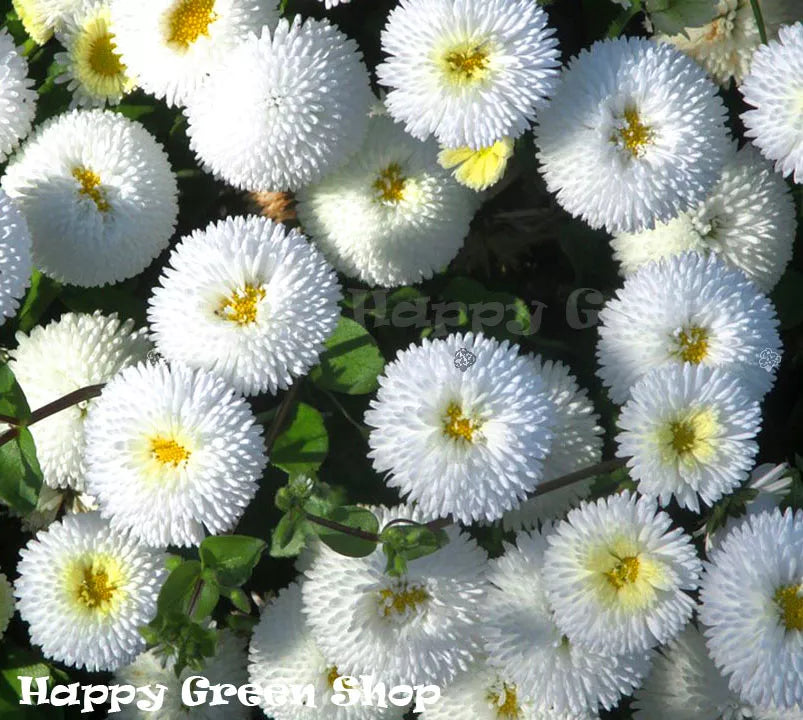
English Daisy 'Pomponette' White Seeds (Bellis perennis)
The English Daisy ‘Pomponette’ White is a refined garden classic, producing neat, double pompon-like flowers in pure white. Compact and long-flowering, it brings freshness and elegance to borders, pots, and spring bedding schemes. Its timeless charm makes it perfect for traditional cottage gardens and for pairing with tulips, violas, or primroses.
What Makes It Special
-
Produces pure white, pompon-style blooms for a clean and elegant look
-
Compact, hardy, and easy to grow in most gardens
-
Provides a long flowering season from early spring onwards
-
Excellent choice for classic bedding schemes and container planting
Key Features
-
Botanical name: Bellis perennis
-
Variety: Pomponette White
-
Height/Spread: 15–20 cm tall, 15–20 cm spread
-
Position: Full sun or partial shade; thrives in moist, well-drained soil
-
Flowering period: Early spring to early summer
-
Lifespan: Perennial, often grown as a biennial
Ideal For
-
Cottage gardens and traditional flower beds
-
Spring bedding displays with tulips and primroses
-
Pots, containers, and window boxes
-
Low-growing borders and edging
-
Adding a soft, white contrast to mixed planting schemes
Sowing Instructions
-
When to sow: Late spring to mid-summer (May–July) for flowers the following spring.
-
How to sow:
-
Sow thinly on the surface of moist seed compost.
-
Do not cover, as seeds need light to germinate.
-
Keep moist at 15–20°C. Germination takes 14–28 days.
-
-
Transplant/Thin: When seedlings are large enough to handle, transplant to pots or trays. Plant outdoors 15–20 cm apart.
-
Care: Deadhead faded blooms to prolong flowering. Protect young plants from severe frost.
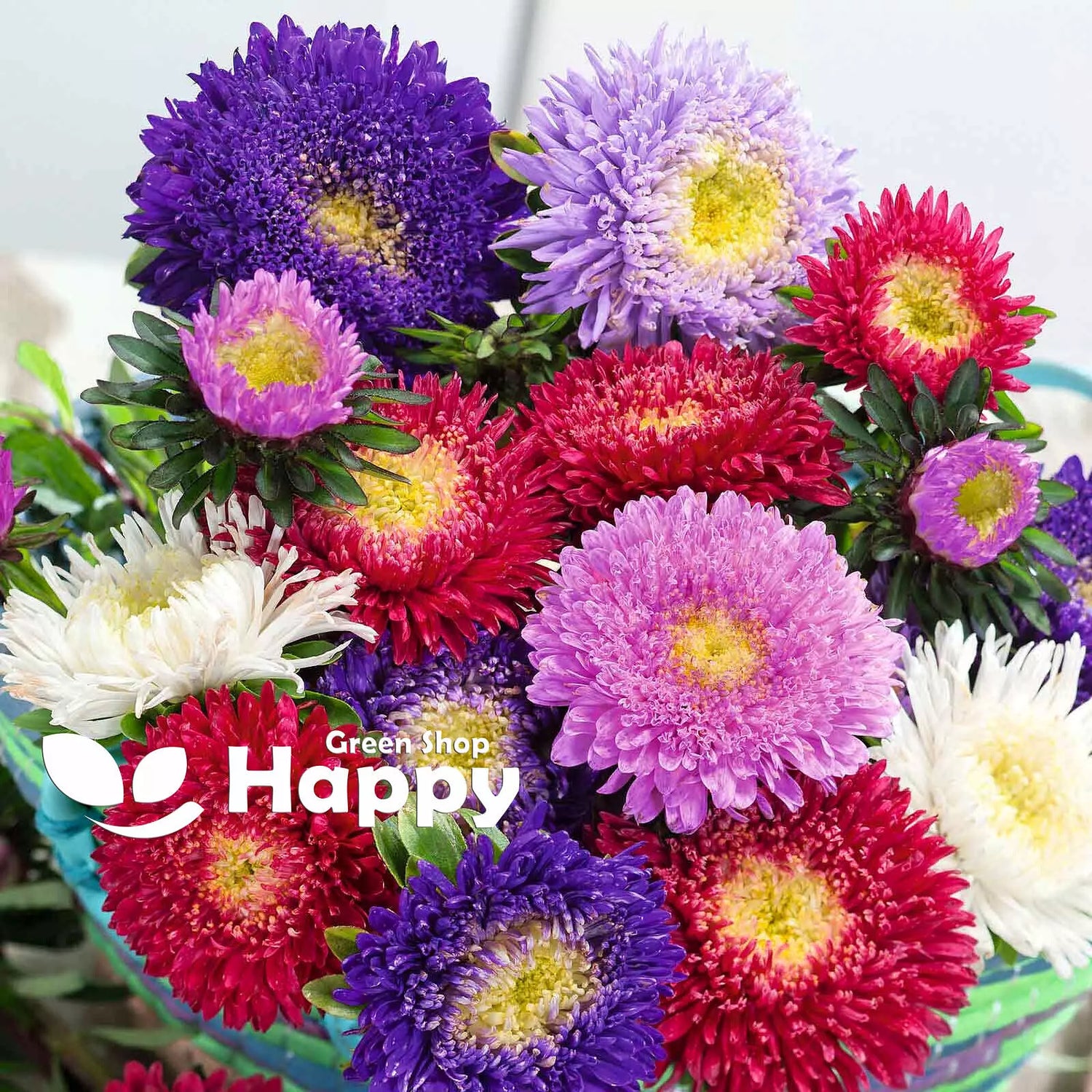
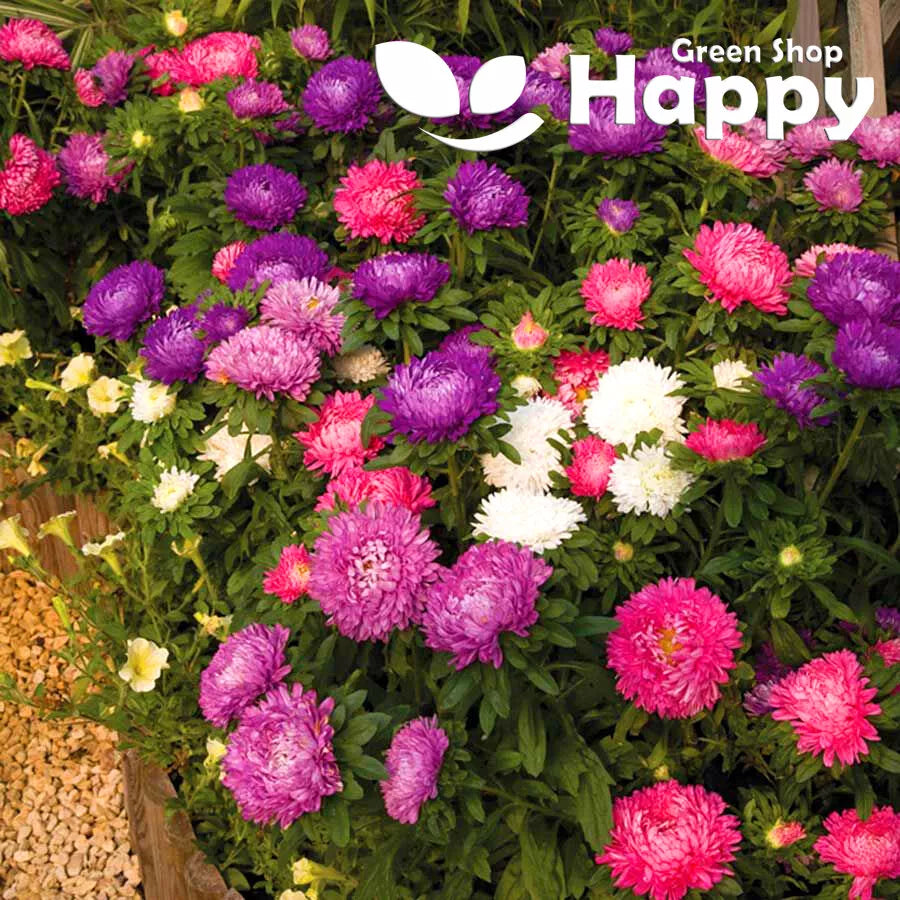
Aster Powder Puff Seeds (Callistephus chinensis)
Aster Powder Puff is a stunning annual variety producing large, fluffy, chrysanthemum-like blooms in a wide range of vibrant colors. Its double flowers resemble soft powder puffs, adding texture and richness to summer and autumn borders. Easy to grow and long-lasting as cut flowers, they make an excellent addition to cottage gardens and floral displays.
What Makes It Special
-
Large, fully double “powder puff” blooms
-
Available in a wide range of bright, cheerful colors
-
Excellent as a cut flower with a long vase life
-
Strong stems and bushy growth habit
Key Features
-
Botanical name: Callistephus chinensis
-
Variety: Powder Puff
-
Seed count: Approx. seeds per pack
-
Height/Spread: 50–70 cm tall, 25–30 cm spread
-
Position: Full sun or partial shade; fertile, well-drained soil
-
Flowering period: July–October
Ideal For
-
Borders and bedding displays
-
Cutting for floral arrangements
-
Cottage gardens and mixed borders
-
Late-summer color in the garden
Sowing Instructions
-
When to sow: February–April indoors, or direct sow outdoors from April–May
-
How to sow:
-
Sow thinly on moist seed compost, cover lightly with soil or vermiculite
-
Germination takes 7–14 days at 18–20°C
-
-
Transplanting: When seedlings are large enough, transplant 30 cm apart
-
Care: Water regularly, avoid overhead watering to prevent mildew
Showing 27/51


